www.ivomilan.it

   IVO MILAN – Radical Fashion Blog

Archive
Author Archive

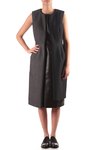
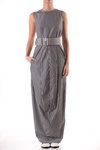
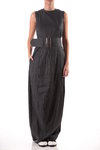
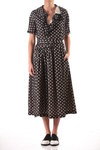
After she finished the National Institute of Design and Technology at Ahmedabad, Aneet Arora started signing her own brand with the name Péro, that in Marwari, one of the languages of Rajasthan, means “to wear”.
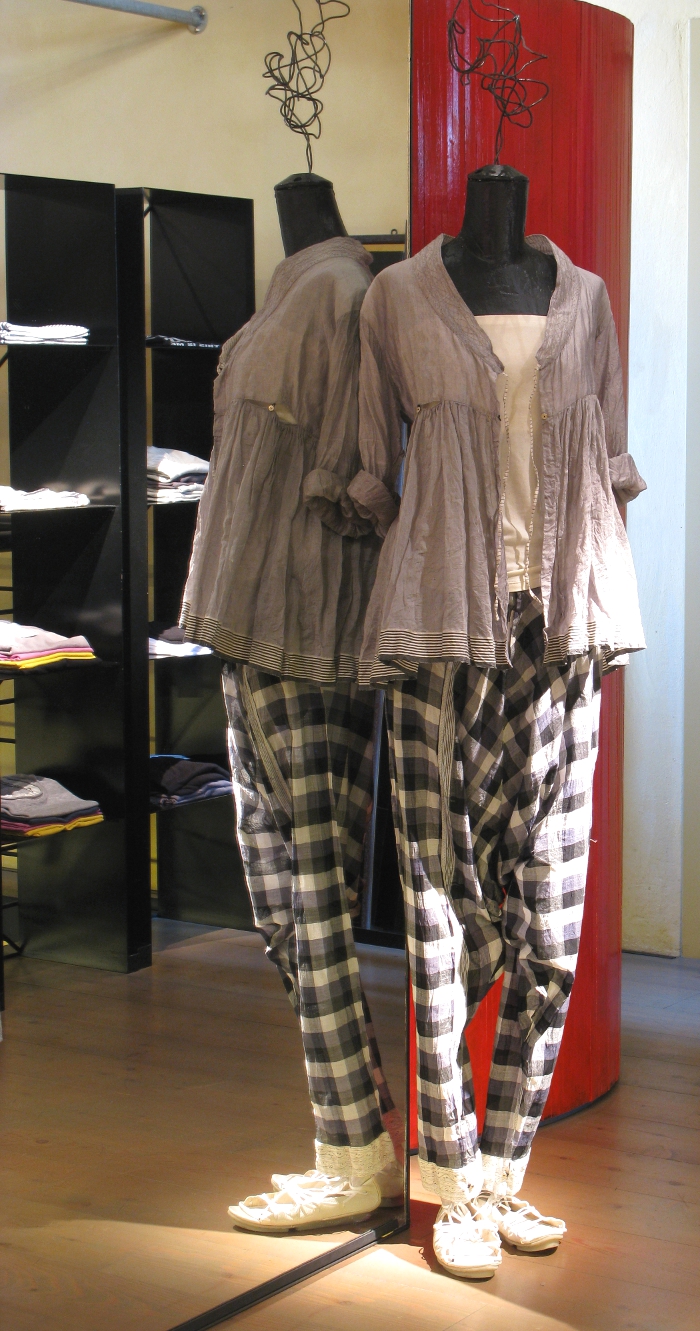
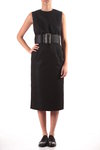
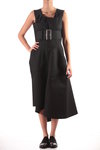
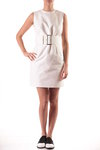
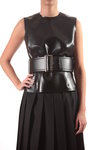
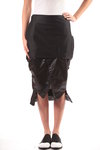
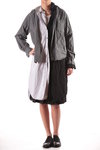
Péro outfit

In producing her clothes and fabrics, Aneet moves from the steady belief that the new trends can be found amongst the colours, matches and style of local people, who are to be considered the actual trendsetters of modern time.

She believes that it is pointless to follow the change of fashion with the seasons; it’s much better to work out and be inspired by the rich natural world that surrounds us everyday.

In her case, the surrounding world is the very vast Indian subcontinent, an endless galaxy of cultures that have been living side by side for centuries, testing and exchanging incredible skills in terms of fabrics and colours.


Péro takes her inspiration from these ancient local traditions, and creates items that are extremely complex from a technical point of view, where colours and materials take their shape at the same time, being patiently knitted by the loom. Precious, high quality cotton and silk are used that give every piece a great value, whilst the handmade production  makes every item of clothing unique, far from any industrial series production. Péro
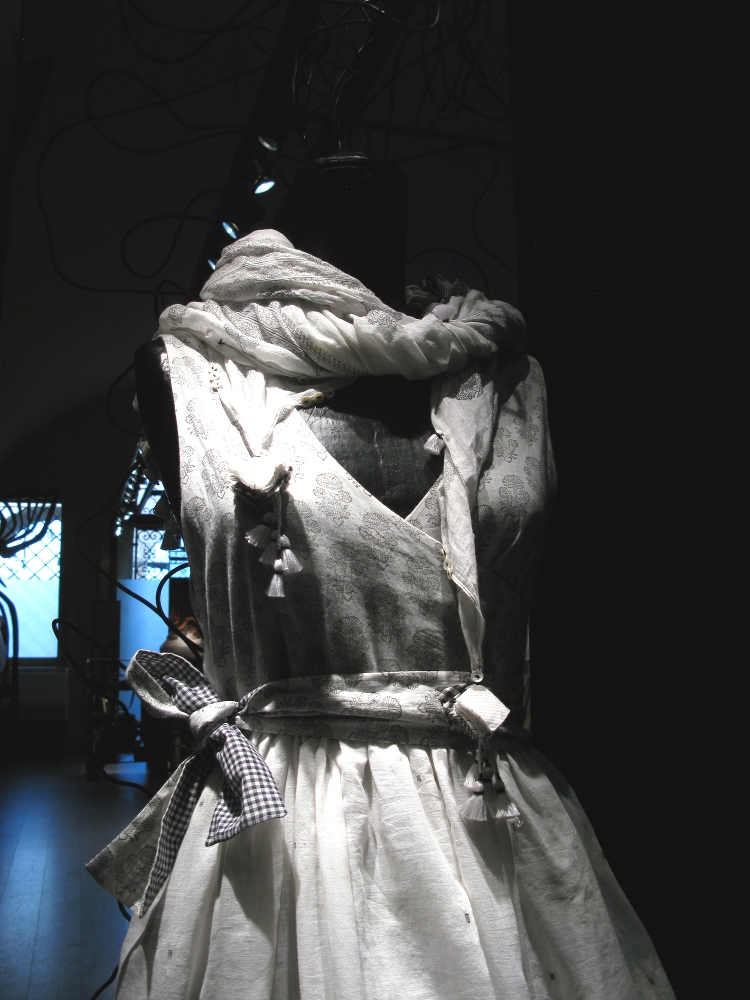
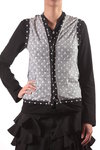
The patterns can be knitted by the loom or created using small handmade wooden stamps, and tiny details, such as buttons, reveal to be made of precious silver.

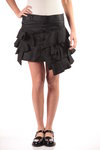
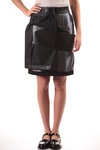
Detail Péro

Detail Péro
The large and comfortable lines show Aneet’s peculiar ability to integrate a clearly ethnic inspiration with modern, cosmopolitan elements, that are outlined by the frequent use of asymmetric patterns and light juxtapositions.

In this global era, Péro proposes unquestionably interesting and original clothes, but first of all represents an excellent example of refined contaminations that are not to be missed.

Read More
Sacai
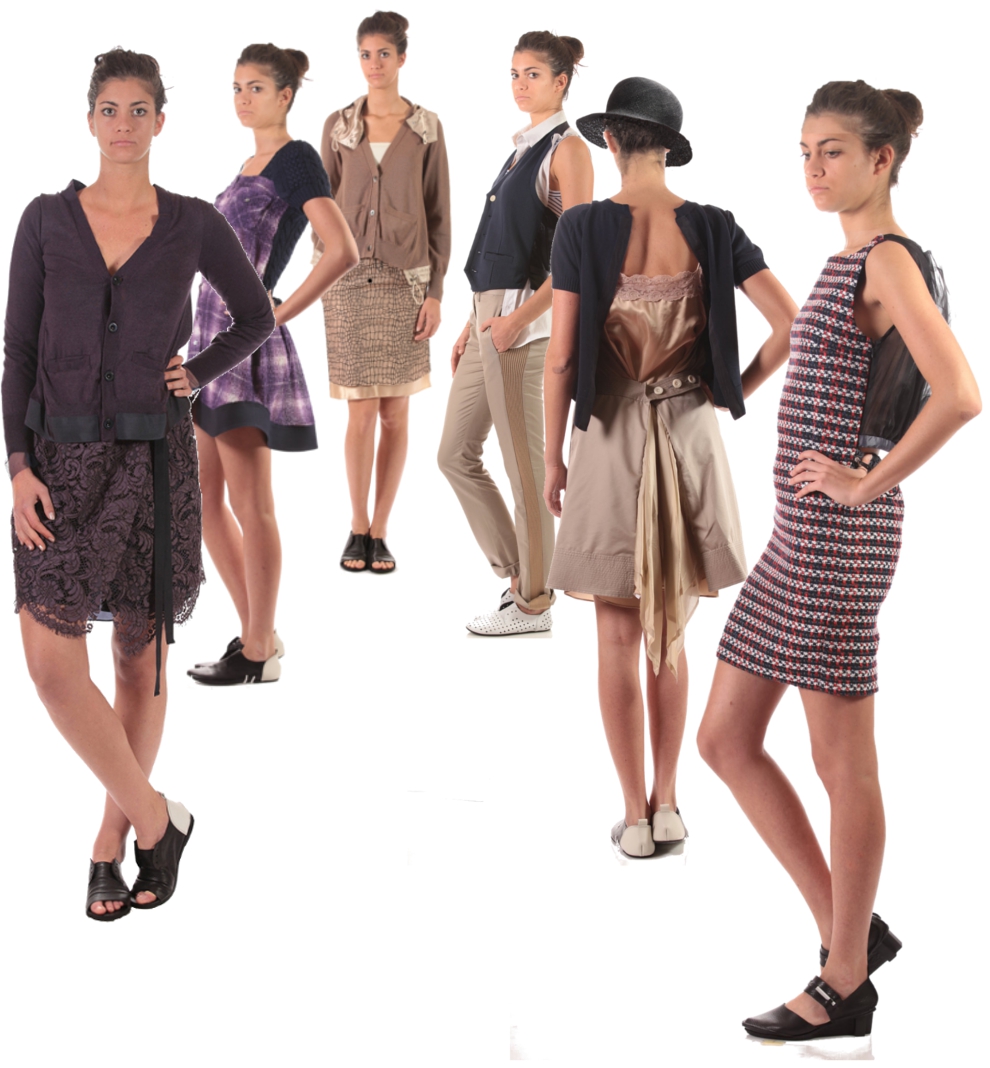
Despite having worked with Junya Watanabe and Rei Kawakubo for nearly a decade, Abe Chitose, the young designer of the Sacai brand, was able to distance himself from his illustrious masters and develop an original and personal interpretation of fashion and clothing.

Whilst the so-called Japanese school is more inclined to look at the artistic potential of clothing, Chitose brings it back to its original function of items that must adapt and be compatible with the various needs of everyday life. This absolutely concrete and practical dimension underlines the spaces and times of our social life and tries to find a solution for different circumstances. For this purpose, Chitose employs the classic formal schemes of ordinary, mainly Western clothing, but does not renounce the process of dividing it up and putting it back together, by applying the poetic delicacy that he acquired in his work environment.

In this original mixture of East and West, sheath dresses can be found, along with trench coats, blazers and also an explicit tribute to Chanel, that at the same time is a celebration of an eternal feminine, of an original elegance.

Without being trapped by boring and regular monotony, Sacai breaks the rhythm by introducing carefully chosen devices that systematically betray what our eyes were expecting: rough juxtapositions of fabrics; simple points of junctions between different prints and materials; unexpected gatherings or layers that are camouflaged by the apparent predictability of the forms.

In the delicate balance between innovation and repetition, what prevails is an impeccable, refined and essential female silhouette.

Read More

Issey Miyake
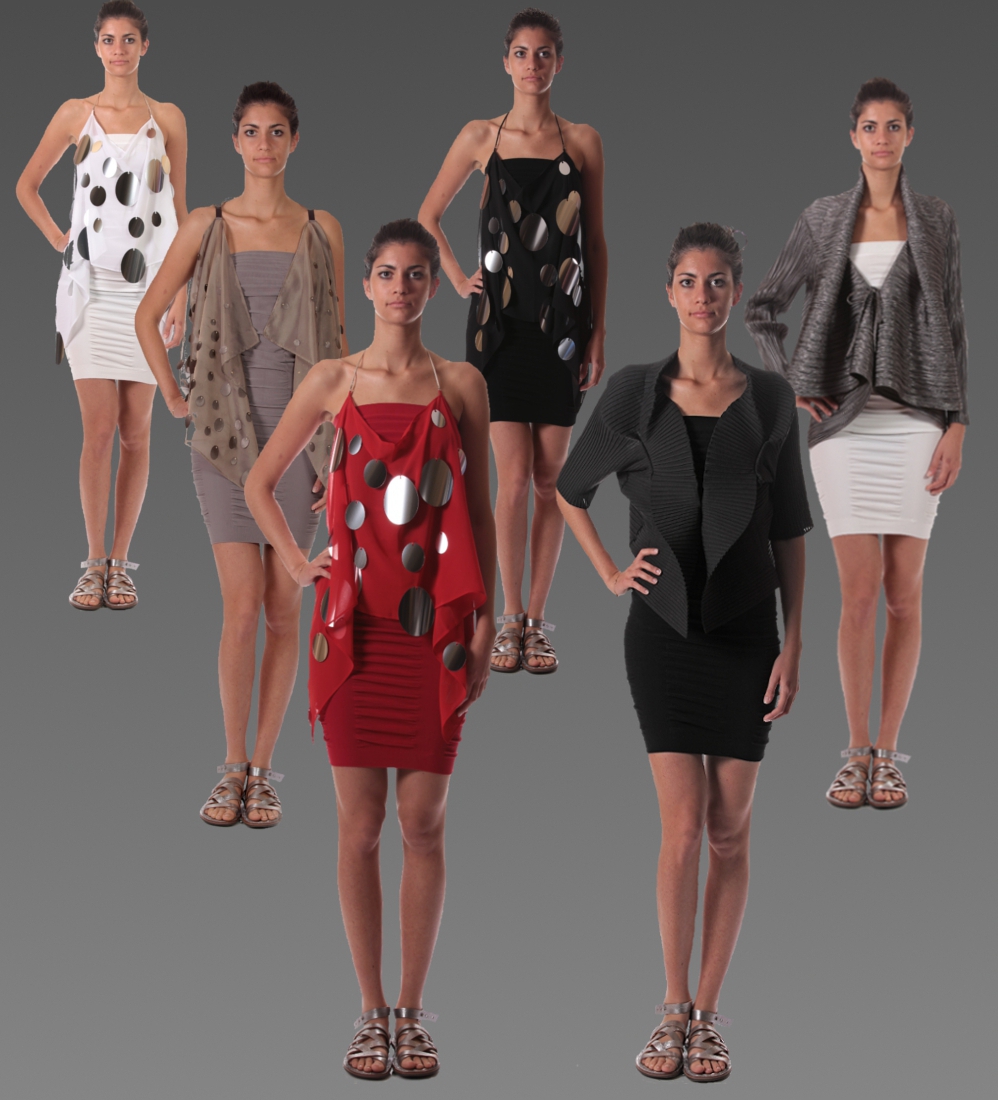
Issey Miyake’s art and vision can be defined in two short words: light and joy.

His garments are a feast for the eyes and the soul, and attract, amaze and surprise even an audience that is indifferent to the fashion world but is simply vulnerable to beauty.

The very famous Japanese maison created pieces that found a place in the most important modern art galleries, with their futuristic, revolutionary technology. Any shape can be devised, any shade of colour made real, without ever oppressing the human inclination towards harmony.

Miyake does not ask anyone to make an effort to understand his work, because all of us would like to have created what he has created.

The art-garment is expression and results from a powerful freedom of thought, that is emancipated from the constraints of the limited possibilities offered by the materials. The technique is able to set the matter free from its objective limits, and the matter itself, the fabric, can become subject to manipulation, can be moulded and modeled solely depending on the artist’s creativity.

Issey Miyake is not a designer, he is a genius who brought art into everyday life, enabling people to wear it. Be it a spectacular piece, or a more reasonable and sober item of clothing, it is always the same creation of a genius, because the fabric, its primary element, was treated in such a way as to make it unique.

Every collection shows structures and colours in their infinite expressive possibilities, in order to give way to charm and wonder in our lives. This is an incredibly generous creative gesture.

Read More

A long time collaborator with Rei Kawakubo for Comme des Garçons, Junya is with no doubts the most attentive interpreter of the cyber metropolitan spirit of current urban cultures.

He is now one of the biggest stars in international fashion, able to astound with his unfailing ability to transform materials that make up and describe the present industrial landscapes into suggestions that inspire his collections. Steel threads, brass bits and pieces, plexiglass plates and fabrics for industrial use are modified and translated into sculptures that can be worn, signs of a time that is decoded by a complex intellectual project, rather than by transient products of mass business.

The expressive ability of the Japanese designer, however, is surprising even when he makes variations on his own inspirational standards. More than recalling futuristic and hyper-technological distressing moods of a modern megalopolis, the spring collection suggests the relaxing holiday mood of indefinite seaside resorts.

Faceless masks march on parade in a timeless moment, in spaces that are far from the daily frenzy, whilst the volumes fit with slowed down and light-hearted life rhythms.

The bodies, that are shaped in the usual complex female silhouettes, float in extremely light georgette fabric. The items of clothing are compositions of jackets, cardigans or simple shirts with draped skirts, made of different patterns and fabrics, or fresh summers skirts.

The navy blue and the recurring cream colour of the backgrounds outline seaside, summer moods, and imagination is carried away within the heat, the promises and the well-being of a season that is anticipated and longed for so much.

Read More

Think, put together then unmake and put together again, experimenting volumes and fabrics that must always be closely examined because nothing is as it appears, everything is something different.

This seems to be the inspiration behind Rei Kawakubo’s new collection which, as usual, does not simply propose new trends for the current season, but complex creative works. The clothes are not presented for what they are, definite and completed items ready to be worn, but are rather abstract patterns to be repeated, superimposed, reversed and matched.

Skirts, shirts, jackets or waistcoats, every item of clothing is a sort of replicant that cannot be got rid of, that takes form and emerges from anywhere. The edge of a lapel, the stitching of a shoulder, the bottom of a skirt or of a pullover, the back of a dress are all possible places where another element can be put.

Comme des Garçons performs a sort of metalanguage of fashion, where the analysis and description of the process of the mind, which leads to concrete production, are revealed and suggested. Such an operation, that might have potentially obsessive and inflated results, is incredibly able to make up a poetic entirety that is generally harmonious, despite the centrality of asymmetrical lines.

Thanks to masterly tailoring and aesthetic skills, the imbalance of colours and volumes is translated into balanced solutions, whilst the urge to exceed is diluted by more severe pieces, where the creativity of the designer is shown by the fabric processing, for example the cotton that looks like skin.

This collection requires time and attention to detail, because, as we have already mentioned, nothing is as it seems.

Many pieces offer the possibility of being worn in different versions, thus enormously increasing the number of items of clothing.


Gallery

Read More