www.ivomilan.it

   IVO MILAN – Radical Fashion Blog

Archive
Tag "hand-made"

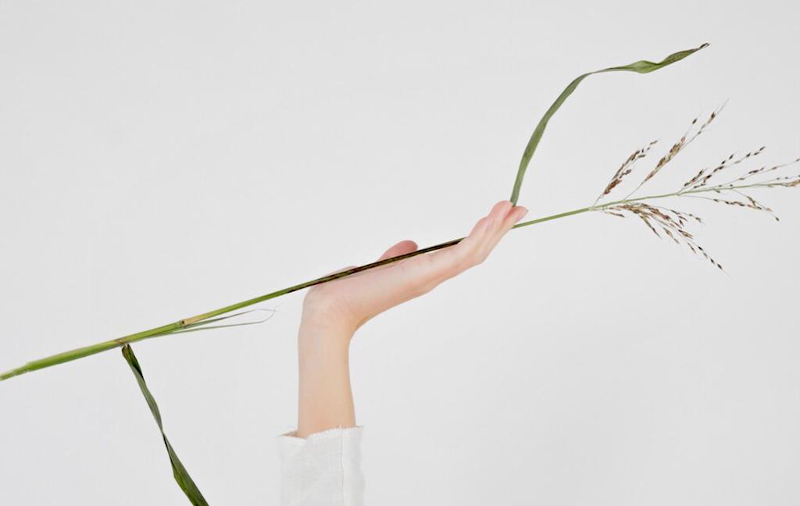
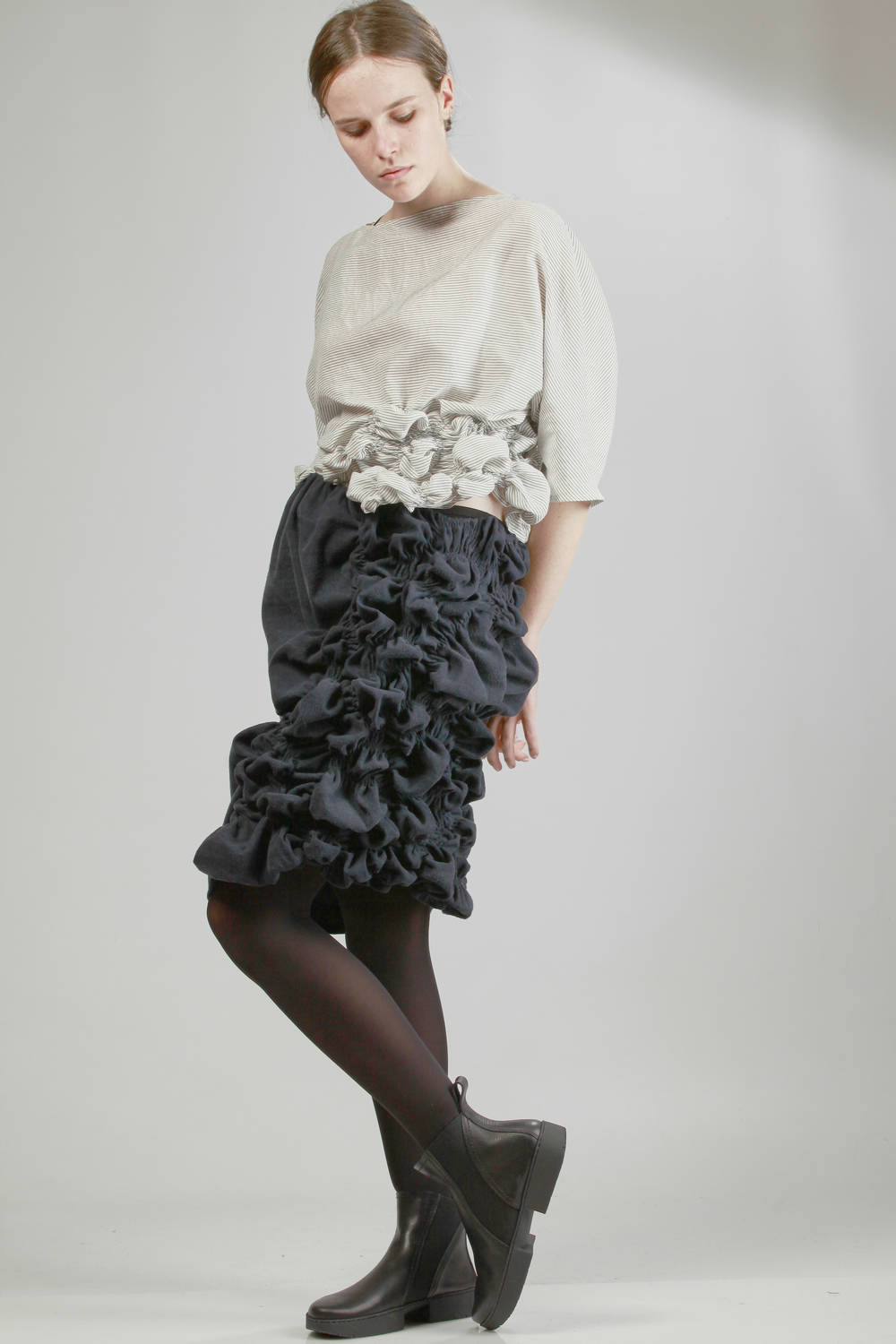
Eco-fashion-designer of Italian-Austrian origin, Agostina Zwilling is an artist who investigates processes, scenarios, methodologies and best practices in design.

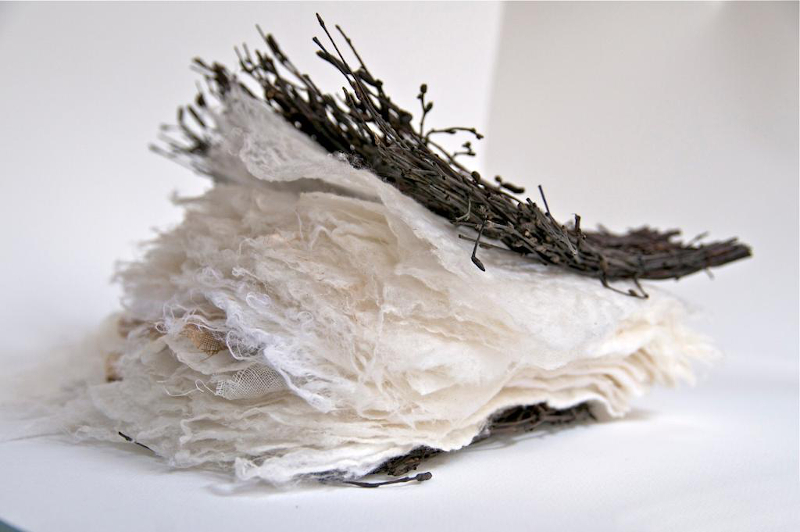
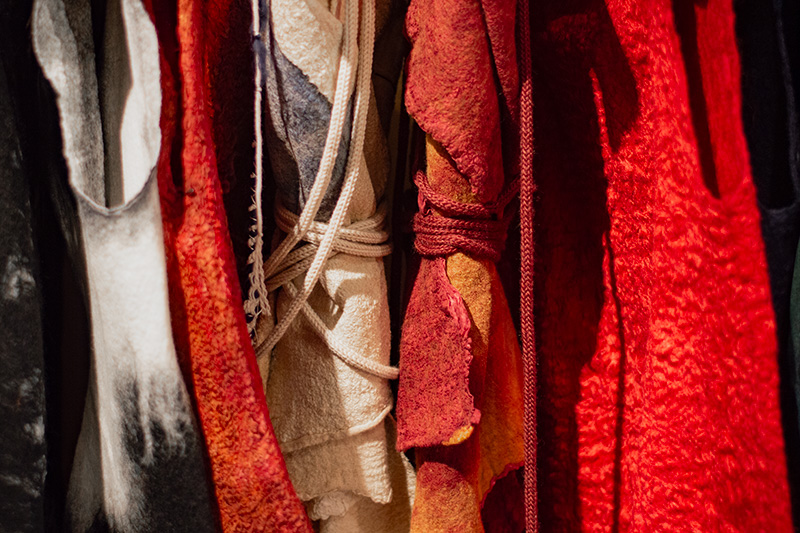
Using the nunofelt technique, she creates works ranging from interior design (fibre walls, paintings, carpets, tapestries etc.) to clothing.
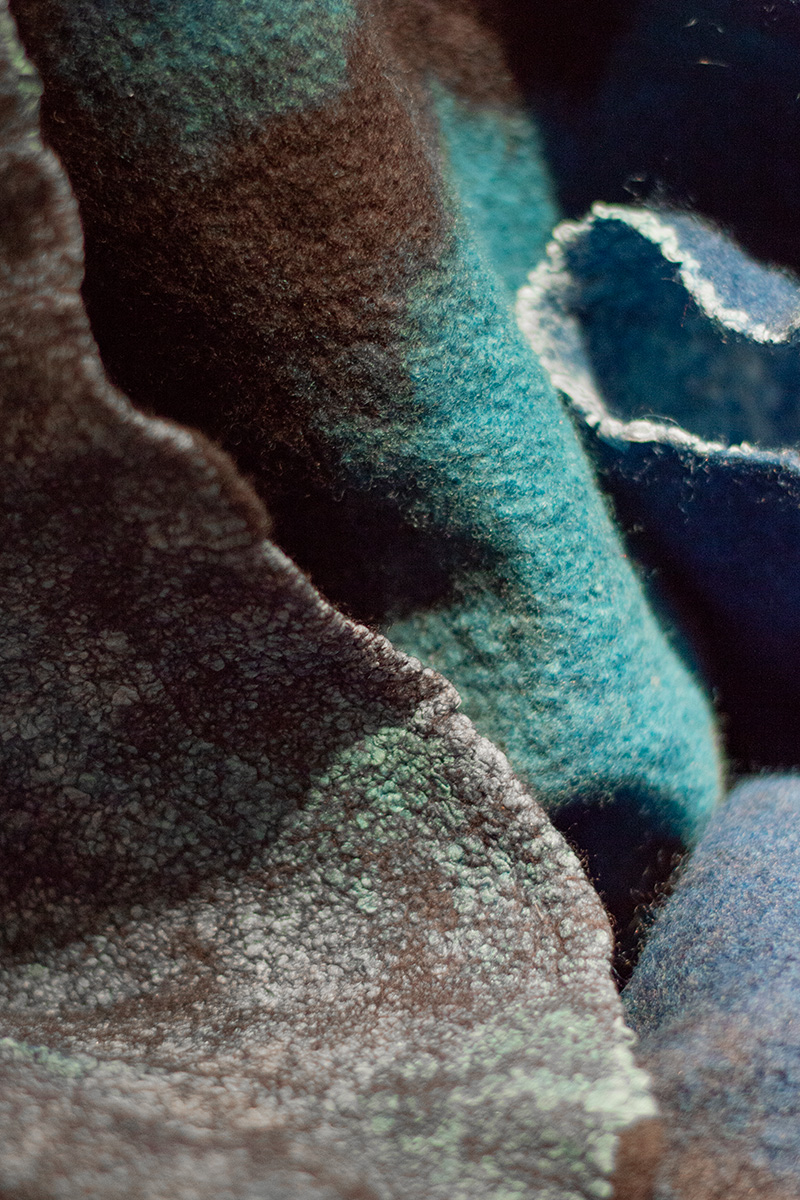
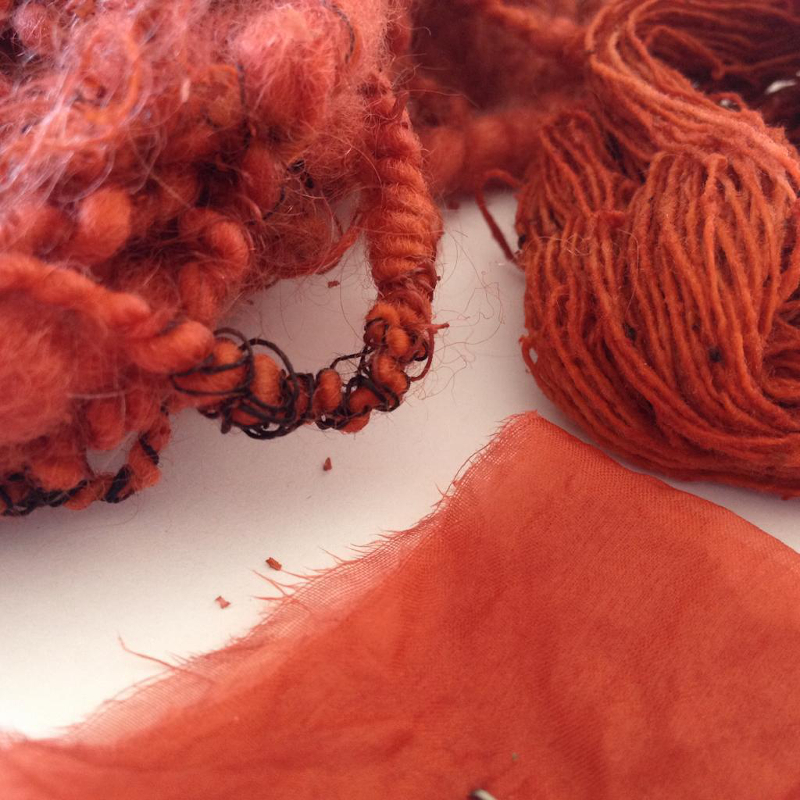
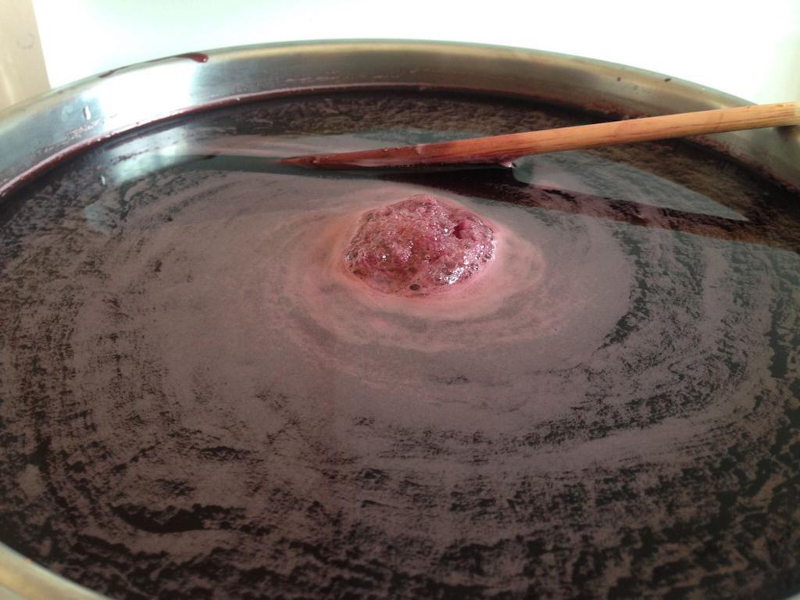
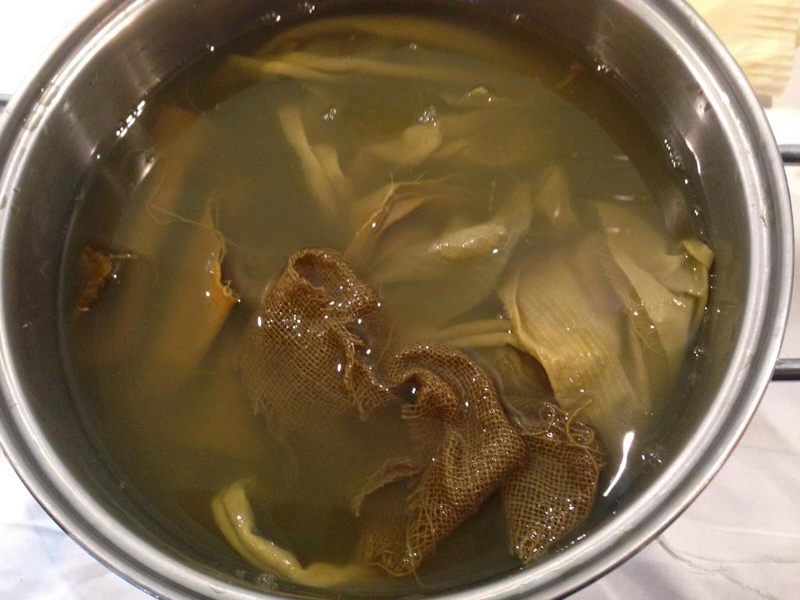
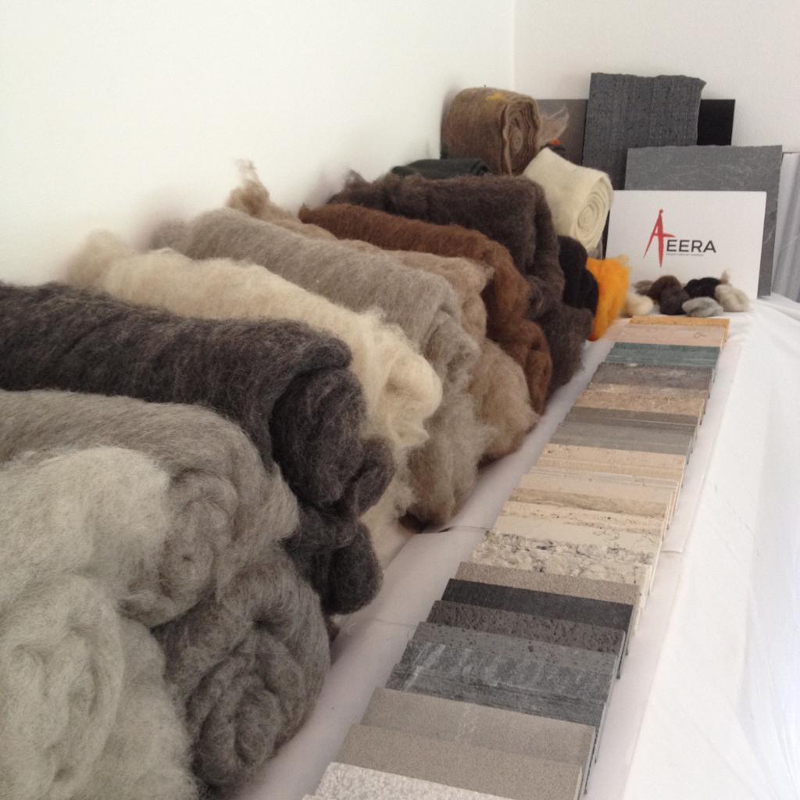
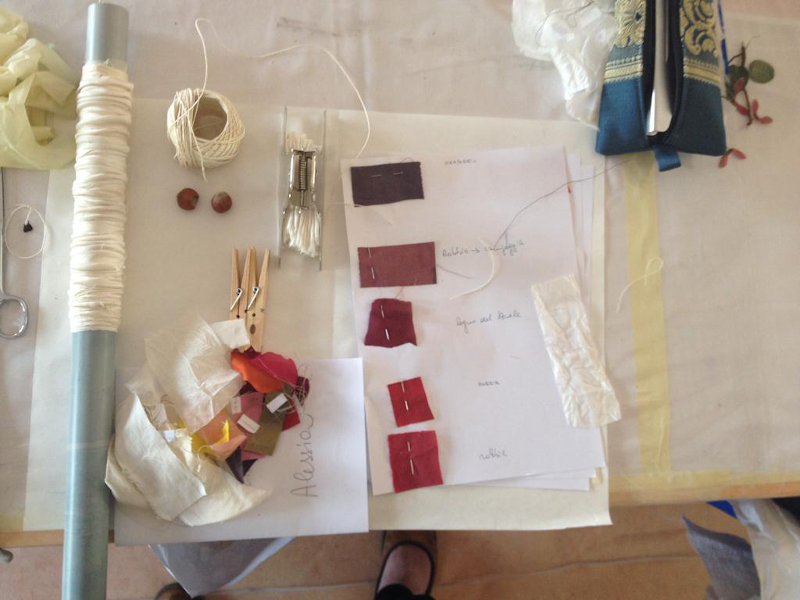
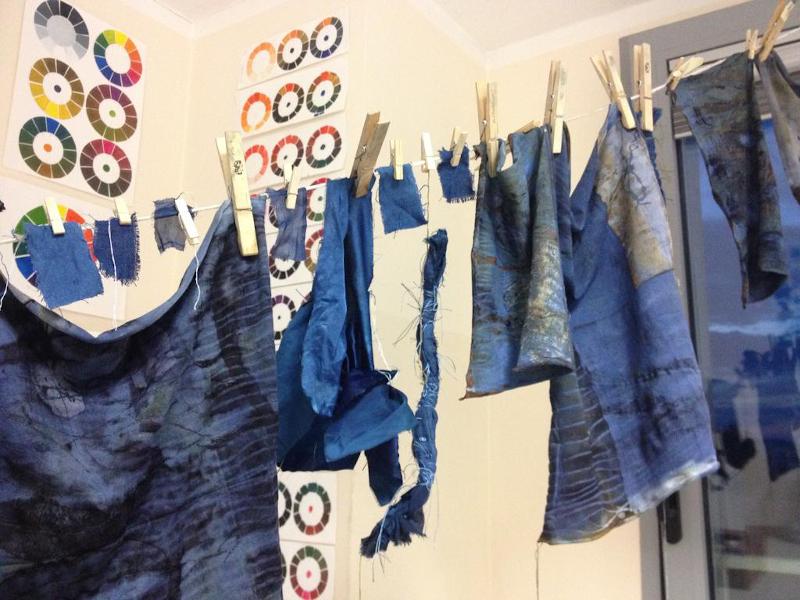
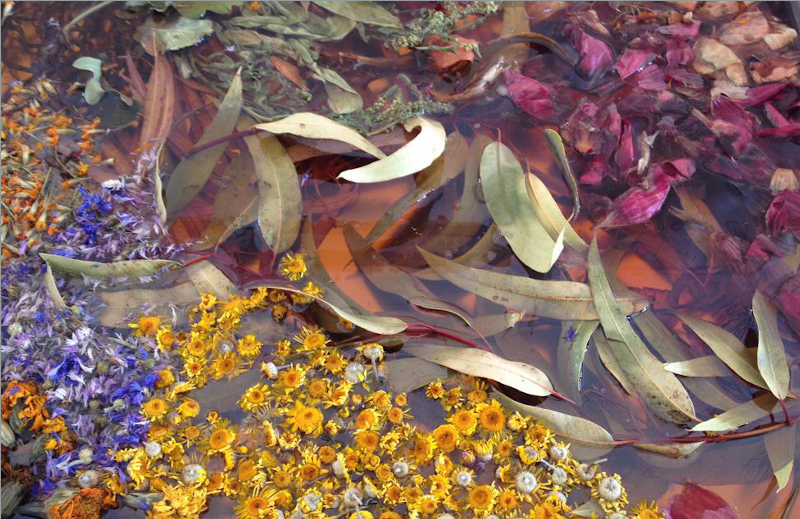
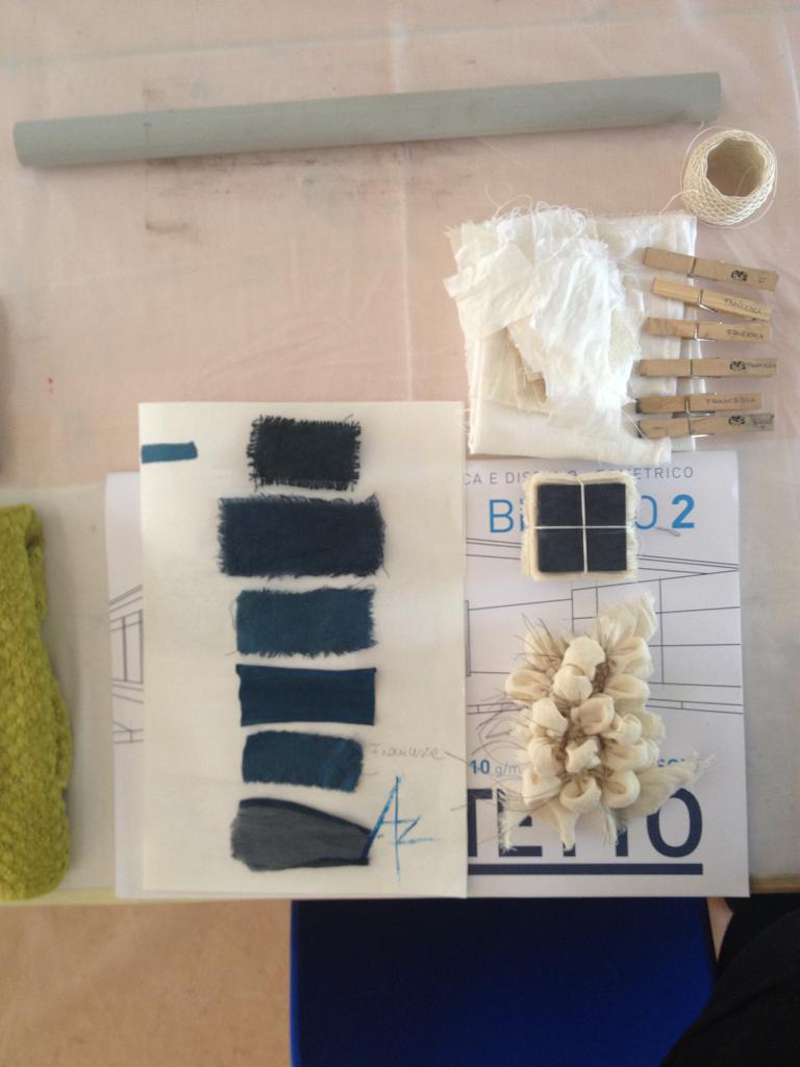
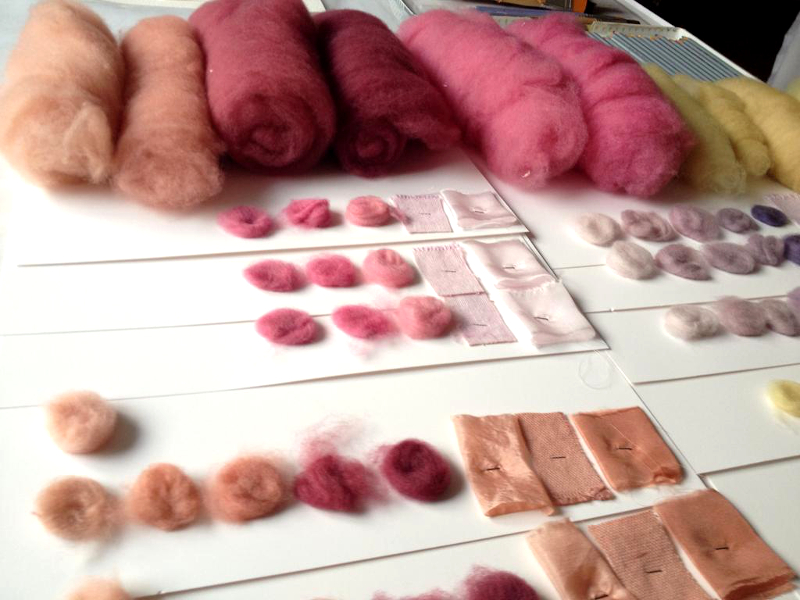
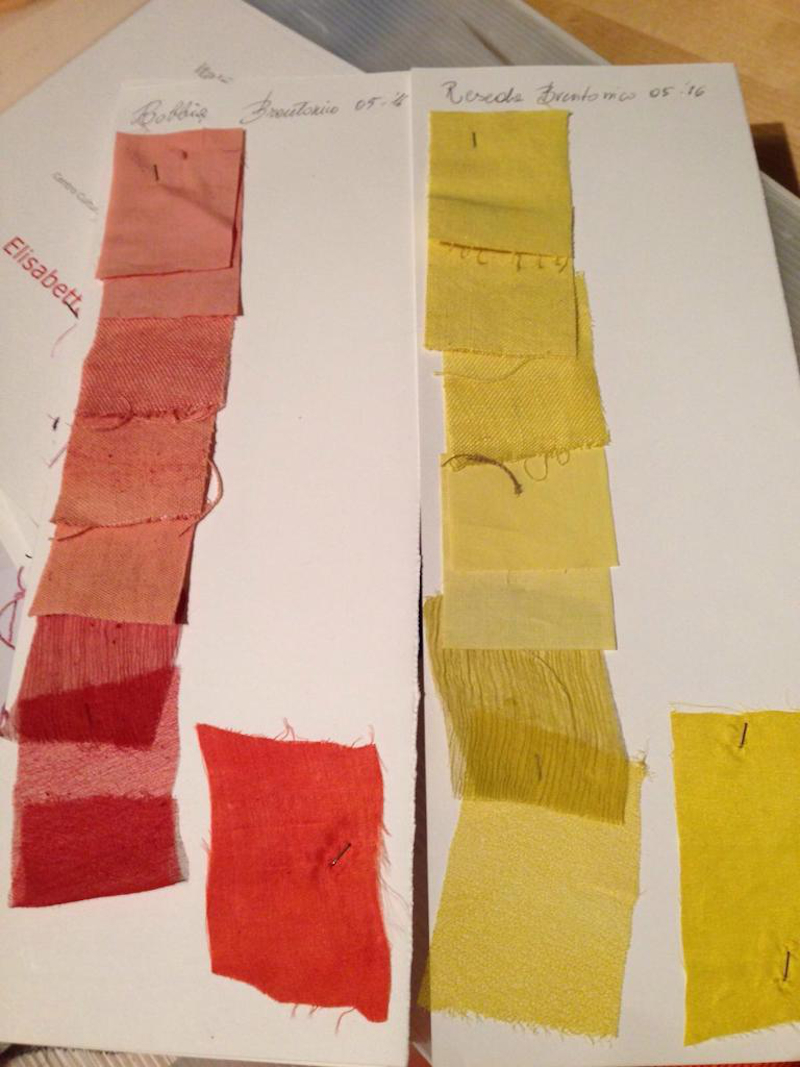
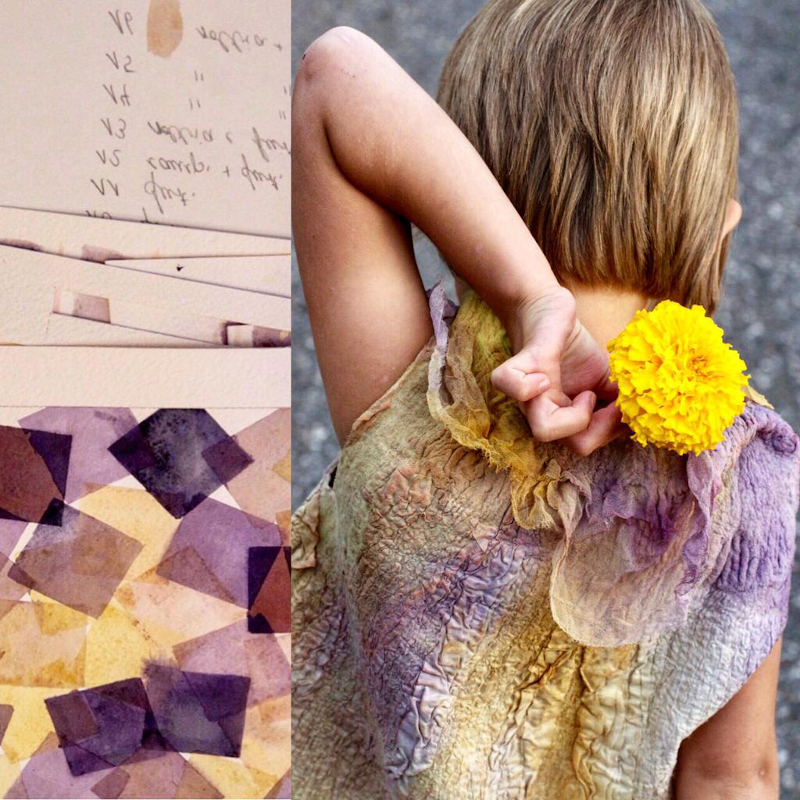
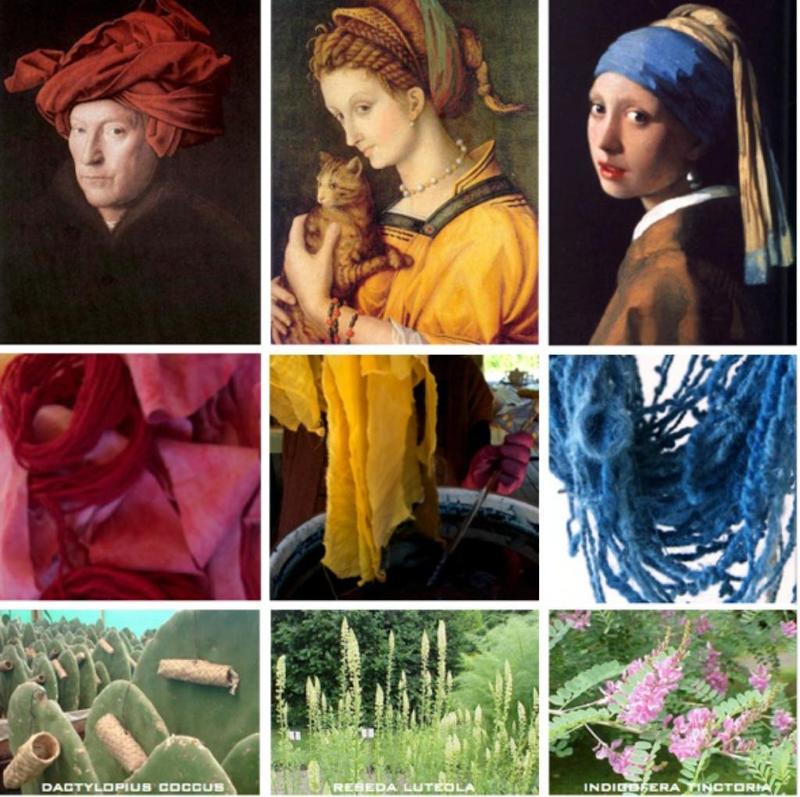
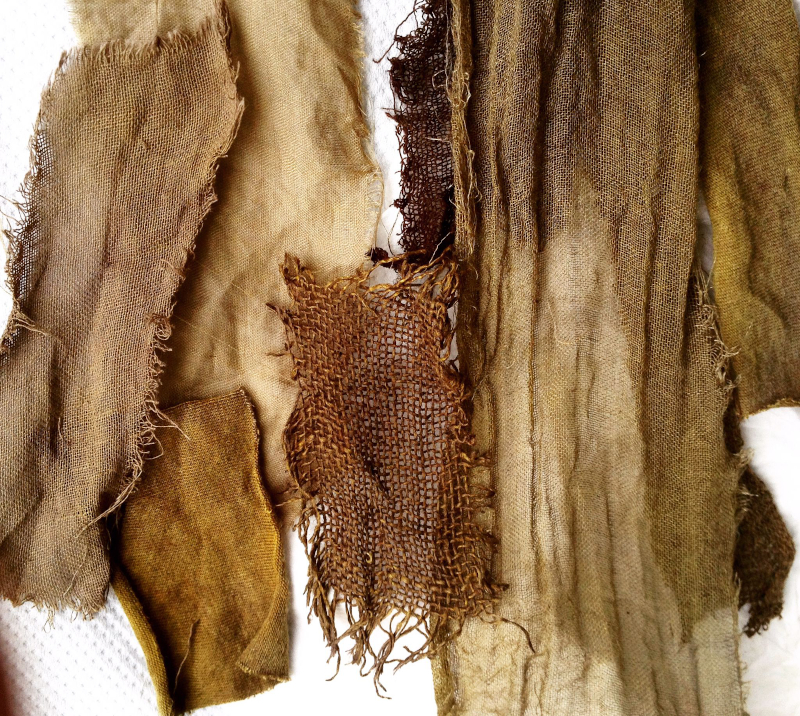
Shapes and colours are moulded by hand, through a slow process that goes from massaging silk, wool, cashmere, linen, hemp, beech, etc., to choosing the plants, flowers and roots that make up the chromatic bases.

Each garment is a unique work, an actual size development is impossible, because the finishes become unrepeatable and the manipulation generates new nuances and details each time. Even the idea of a definitively finished work is inconceivable. The fibres move, change with time, depending on the wearer’s use and silhouette.

Nunofelt is dynamic by nature and, in Zwilling’s work, lends itself to a correspondence with the concept of the ‘open work’, understood as an artwork.

whose aesthetic, formal or material identity is not defined once and for all, but is subject to factors of variability that make it, to a greater or lesser extent, always different. (Cit. Umberto Eco)

But it is also open in its possibility of being interpreted in ways that vary according to the sensitivity and emotions of those who encounter it.

Zwilling’s is not a clothing line, but represents a true philosophy of life that aggregates and connects training, creativity, sustainable supply chains, ethical and aesthetic awareness, according to an idea that weaving is a gesture that intersects human and social networks with the final product, without interruptions, as a responsible and circular action, in harmonious and conscious tension within a flow that smacks of art, anthropology, ecology, and in general of culture and beauty.
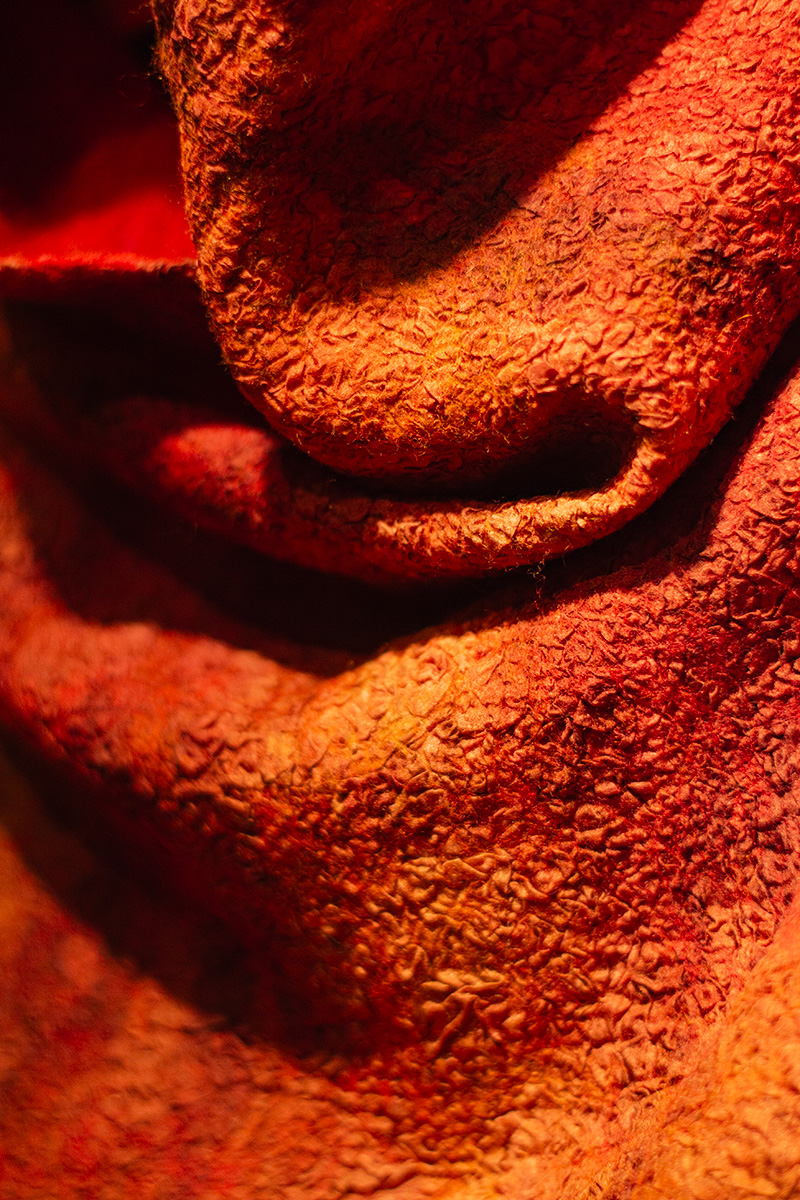
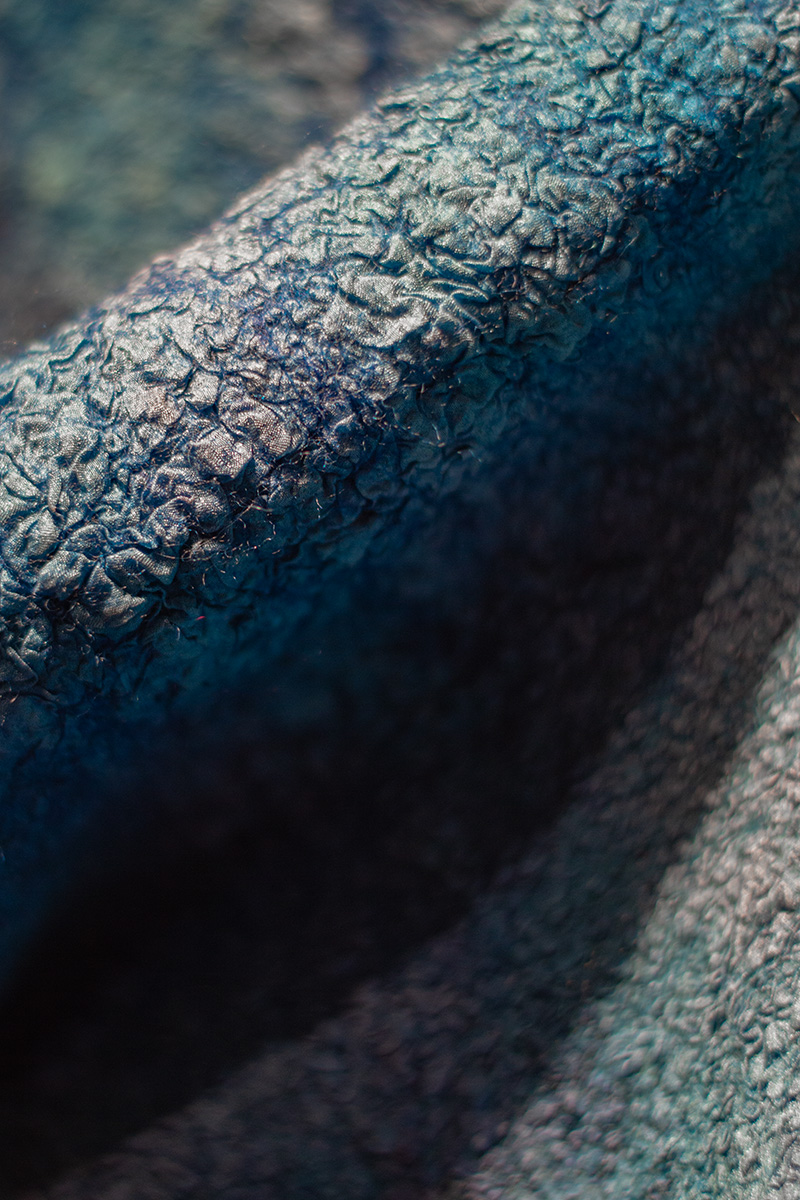
On the ivomilan.com you can discover the Zwilling private collection for autumn/winter 2023-24.

Agostina Zwilling is the founder of the Italian Felt Academy. The school is located in Verona town, Italy. For more information and contacts, you can visit the Italianfeltacademy.it

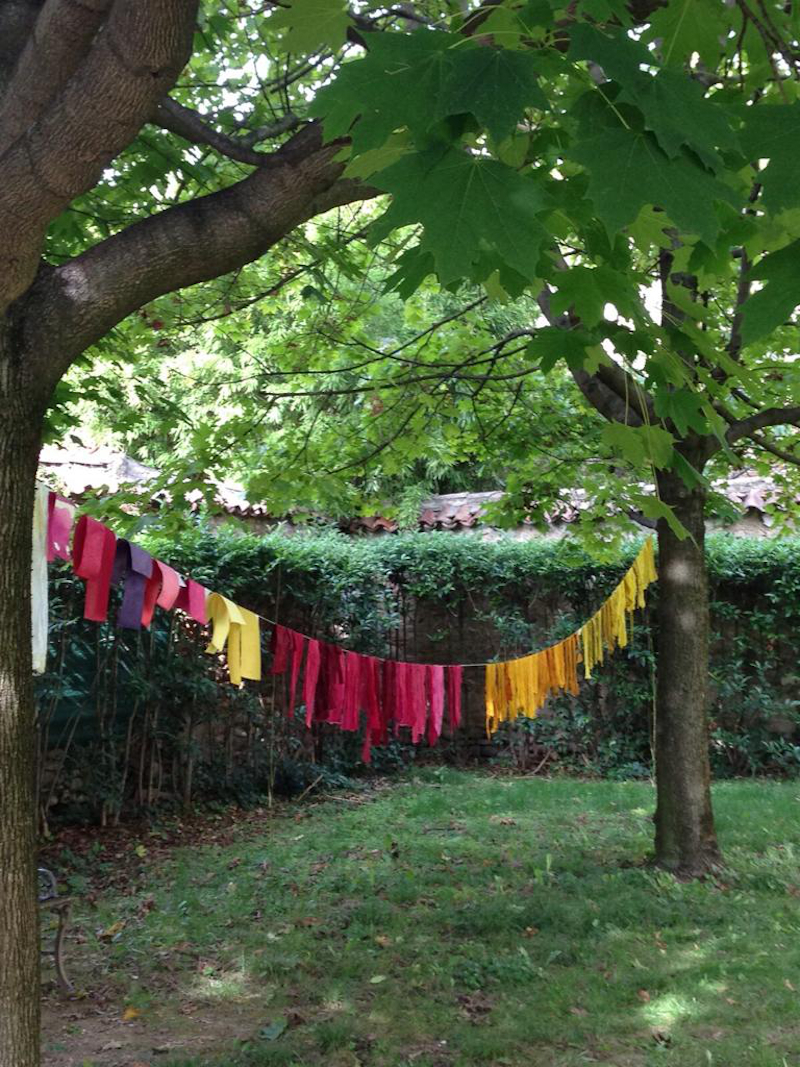
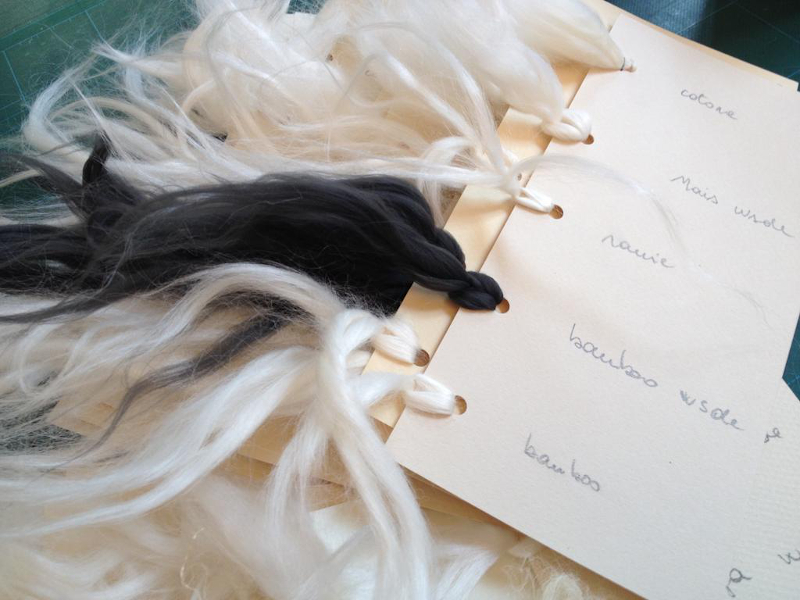
Below, a photographic tour in the experimental processes that characterize the work of the designer (the material is provided by Zwilling herself and all rights are reserved)
Agostina Zwilling eco felt designer by vocation.

Her world does not contemplate needles and scissors. Agostina does not sew: she unites. Agostina does not produce: she creates.

Her world does not contemplate needles and scissors. It winds and unwinds around a thread that is not just raw material, but also a relationship.It is the thread that ties different sensibilities, perceptions and intuitions together, making them into one story bursting with many differences. It is the experience of a common “feeling”. Agostina does not sew: she unites. Agostina does not produce: she creates. She loves to put together what has been damaged. Soothing, warming, wrapping. Even a tear is useful to her purpose: it is breaking the rule, the subversion of order in favour not of dis-order, but of Harmony. Her prime preoccupation (which we can identify with) is to propose a new “perception” of the world.

Agostina Zwilling, a felt-fashion-artist committed to spreading the ancient art of felt making in modern couture, is the founder of the Italian Felt Academy. The school was situated in Verona, Italy. For more information, visit  www.italianfeltacademy.it
Read More

Daniela Gregis FW 2021-2022

It’s all hand finished!

That’s what said one of the more expert tailors of the city while caressing with great care the endless length of the rim to be adjusted, bottom part of a cashmere coat so soft to the touch that fully captured her skilled sensitivity.


Even if Marta is pretty used to our ‘never-seen items’, with some pride I’ll say her: ‘Yes, it’s a Daniela Gregis’ coat, she works like that!


Actually it’s not usual for the items of the designer from Bergamo to arrive to the tailor’s shop. Fit and proportions are so comfortable that they never need adjustments, and instead of removing even a single inch from her precious fabrics, it’s more usual to use the eyelets applied to the sides to fix a rim, and adjust the length with new creativity.

But that ice melange coat could not risk to be stepped on up and down the bridges in Venice, during the morning runs, or just put on the shoulder during the daily working routine of its lucky owner.

Daniela Gregis’ items have an amazing peculiarity: you can wear them, even considering their precious compositions, in everyday life.

When you’re in a hurry or when you’re fully distracted, they will never embarrass you! They’re interchangeable, they can be worn inside out, back to front or, for coats in general, even upside down. This is due to their construction which is designed from the very beginning, with patterns and fabrics, doubled or alternate, changing according to how they are worn. Thanks to all accurate and full finishing, Gregis’ clothes still keep a constant balance in all solutions, even the most unexpected.

Daniela Gregis FW 2021-2022

In an apparently joyful attitude, her last collection, called Tintinba – evocative onomatopoeic sound of fragile instruments which, when in contact, can change into elementary and casual melodies – the Gregis’ creations offer infinite hypotheses and chromatic proposals, in fabrics and shapes, not sketched at all.


Harmonies can be composed with a unique complicity between colour themes and its best material creation: velvet, cashmere, silk, cotton, gauze, and so on. Each fibre assumes a pictorial and expressive responsibility becoming the interpreter of dominant seasonal feelings: the indefinite blue of winter skies, hot tones of strong chestnuts, cold notes of future and desired seasonal frosts.


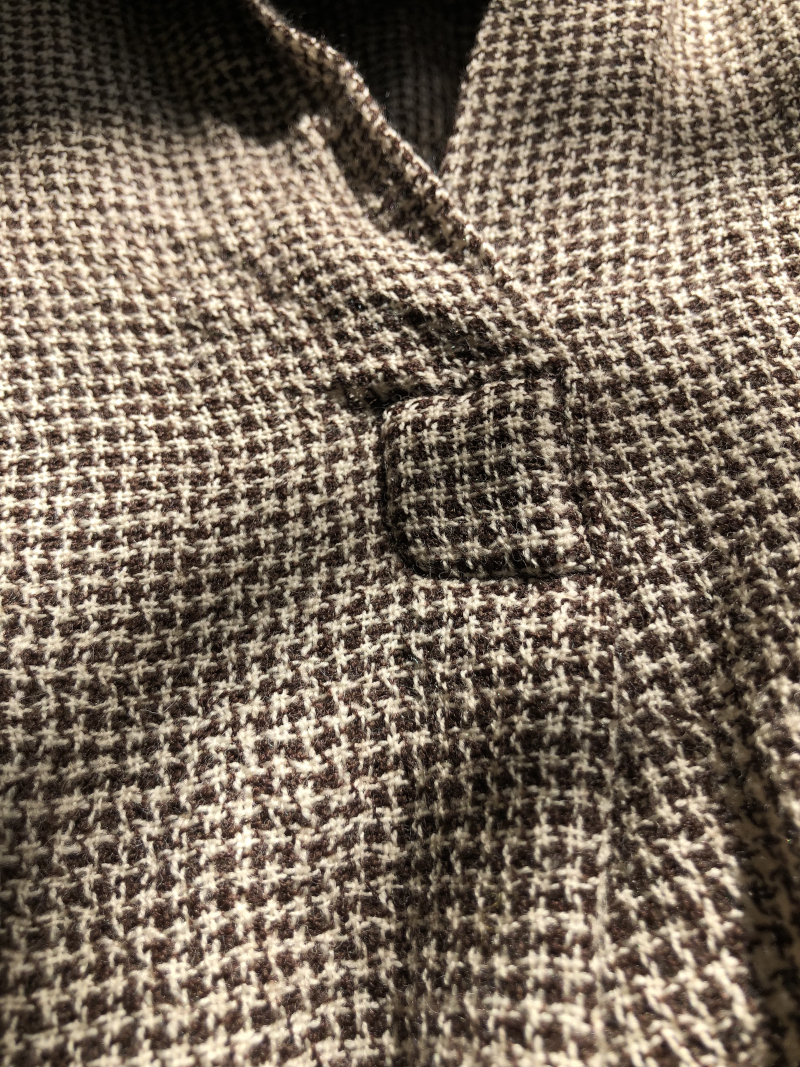
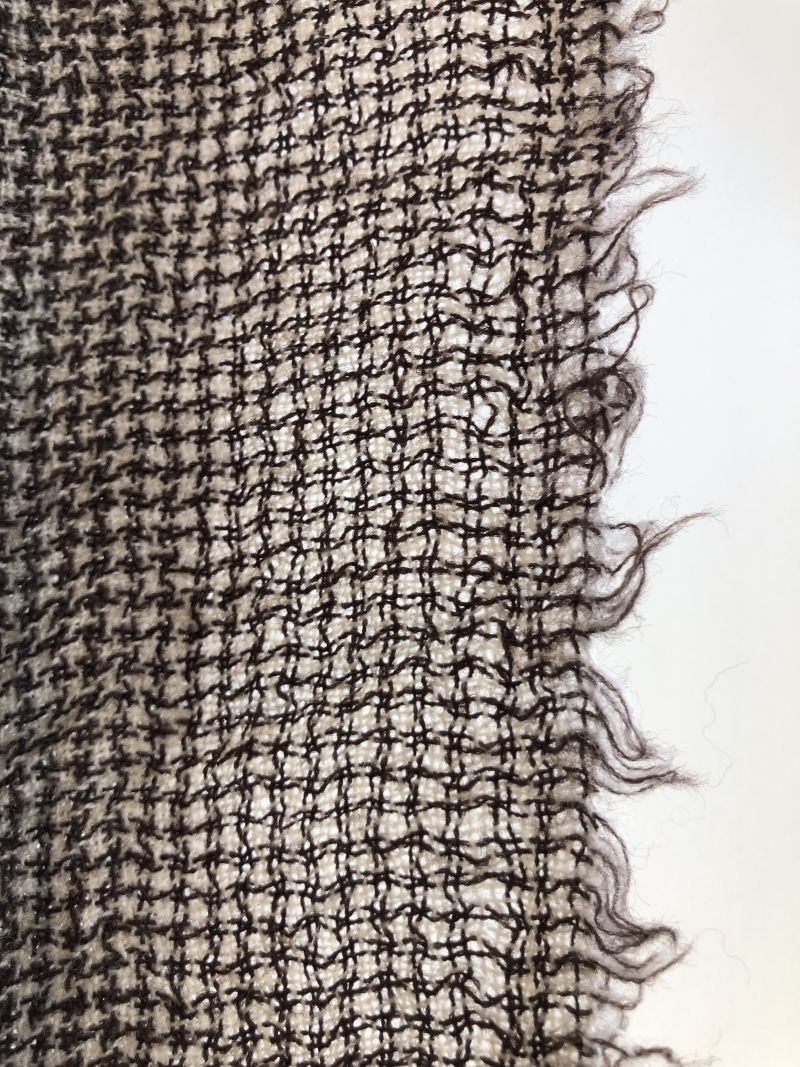
That awareness can be found in textures and woven outlines in different colours, in the hugs of indifferent movements of stiff velvet and calm cashmere gauze, in the wrinkles of washed fabrics, from houndstooth to tone-on-tone patterns, to flawless and wide melange coils, from definitive silk, grabbed to rounded stitching, until stretched wool.

Daniela Gregis FW 2021-2022

Daniela Gregis FW 2021-2022

Daniela Gregis FW 2021-2022

Daniela Gregis FW 2021-2022

Daniela Gregis FW 2021-2022

Daniela Gregis FW 2021-2022

A show that starts little by little, because the creation is slow and fatiguing, and the season – we all know it – is the longest one…

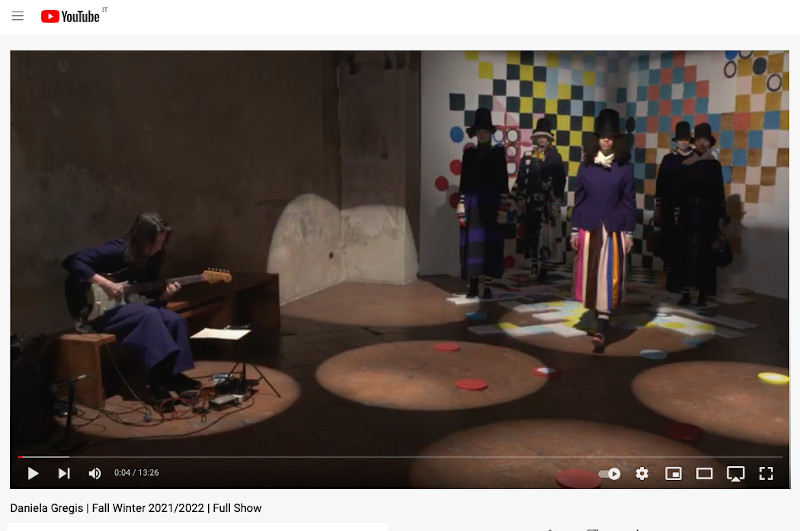
Daniela Gregis Full Fashion Show FW 2021-2022

Read More

In the middle of the new Fall season, it’s a pleasure to return and to guide you in the discovery of the collections that gives form to our seasonal catalog. Returning to the good practice of introducing the new arrivals, we are starting with a new entry, the Swiss-Italian designer:

Elisa Wild

In absolute world preview, her work is hosted inside of our two places of belonging: online and in the Padua shop.

Elisa Wild stands out not only in the textile production, she also involves us in a detailed narration of her work and in the path that led her to be make clothes. With her own words…

This adventure began, as is often the case, with a passion: a passion for textiles and the chance to work and shape them in the same way as sculpting a raw material. It was essential to make the materials and techniques in the project compatible, since every fabric responds to handling in a different way.

For many years, I have worked continuously on researching, studying and experimenting, in order to stimulate and inspire the design departments of the stars of the fashion world with sophisticated ways of working with textiles. But only now, with these dresses, has the dream that I have always harbored throughout my career come true: managing the entire creative, conceptual and technical process myself, right through to the finished product.

The project has therefore become a system in which the chosen fabric, the specific production methods and the entire process of constructing the object/garment merge to produce unusual, wearable effects. Finally, the ‘textile constructions’ for which we are known in the fashion world have become the dresses I have always dreamed of, as if the thoughts, ideas, whims and sketches in my myriad of notebooks found the right moment and means to take shape. Our workshop has left no stone unturned in researching and testing artisan techniques in its quest to achieve special effects with fabrics.


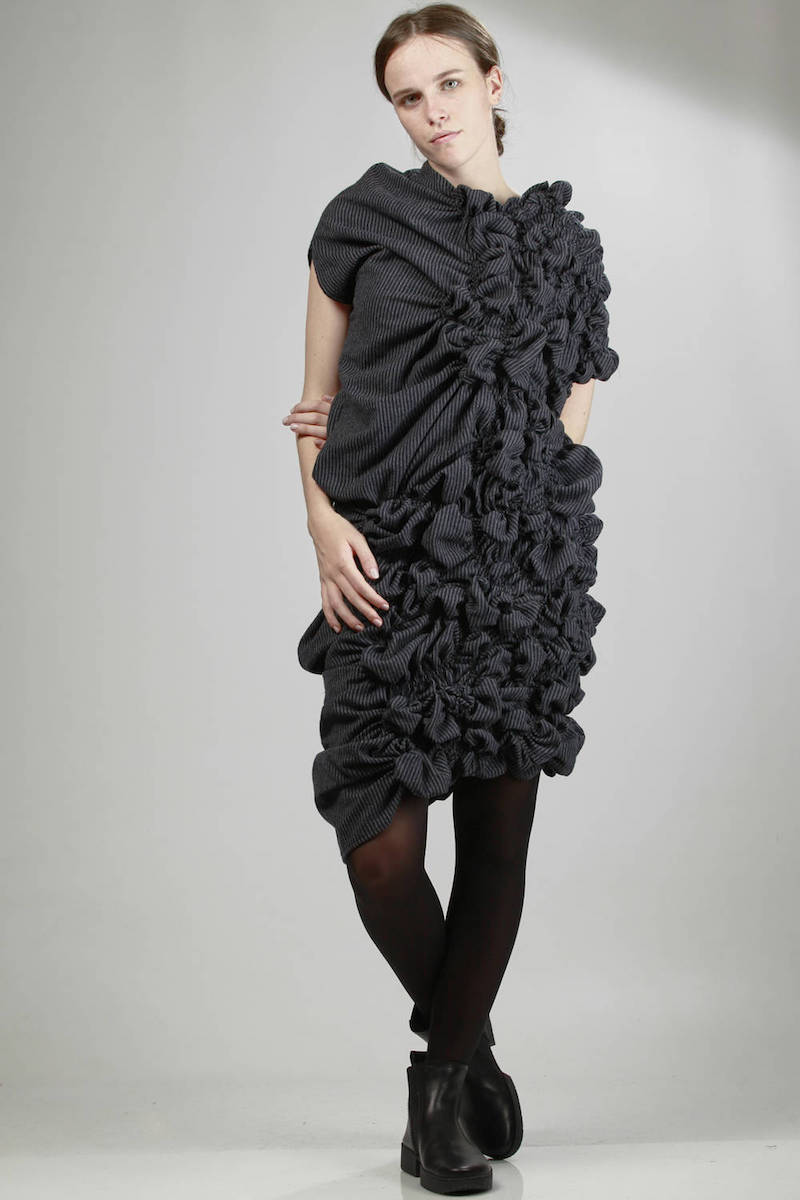
The BOLLE DRESS (bubble) owes its shape to a specific, extremely irregular hand-drawn design, which takes into account how the fabric will move as its form is reshaped by elastic. It is entirely handmade, and to a certain extent it is an empirical work… mass producing a process like this would certainly be a complex challenge to any manufacturer.

Those admiring the final garment may not appreciate how delicate the balance is between the effect produced by the shape of the dress and how it is made. This equilibrium stems from a careful study of the designs, proportions and procedures to create an item that epitomizes haute couture.

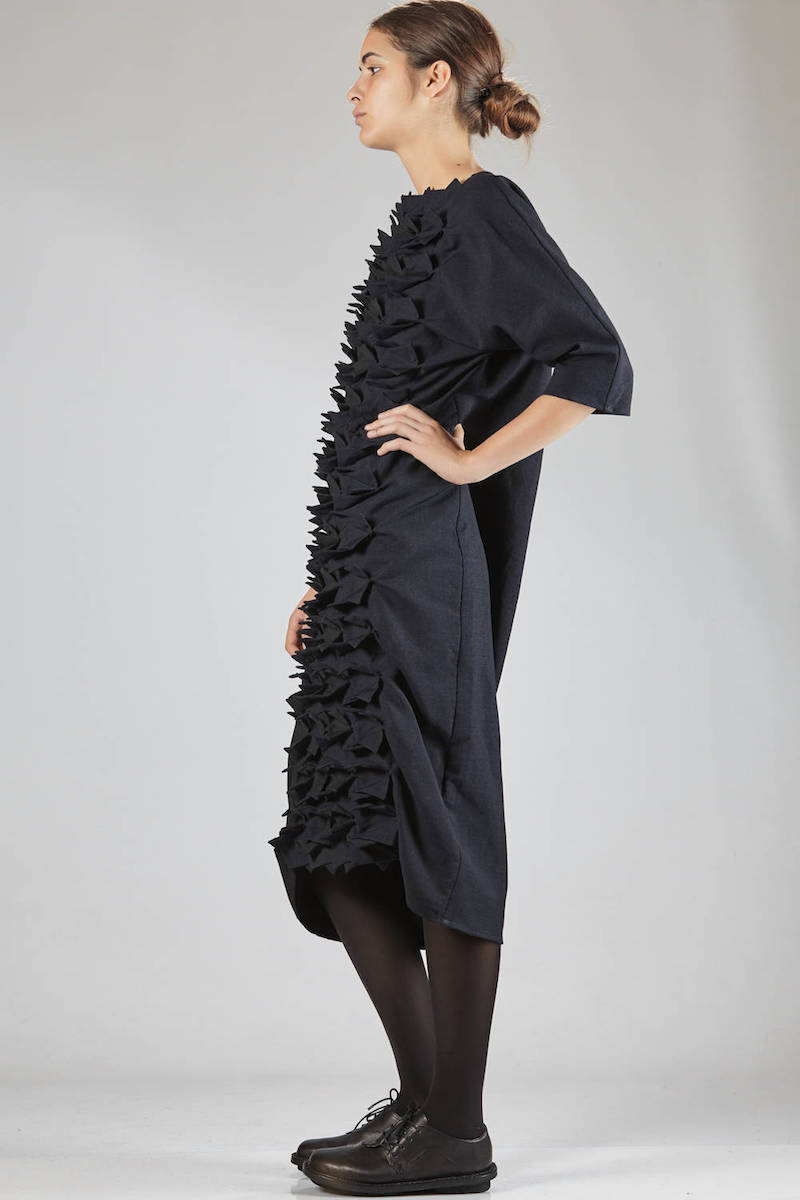
In the ORIGAMI DRESS, the concept underpinning the production — strips of fabric assembled three-dimensionally — and the cut of the garment were designed in parallel, and as a result the front of the dress is a compact modular system in which all parts are interconnected. In addition, the very dry and lightweight wool/linen canvas fabric chosen specifically for the dress can be doubled up, making it ideal for the origami-style folds. The resulting strength is an intrinsic part of the garment, within a simple yet sculptural shape.

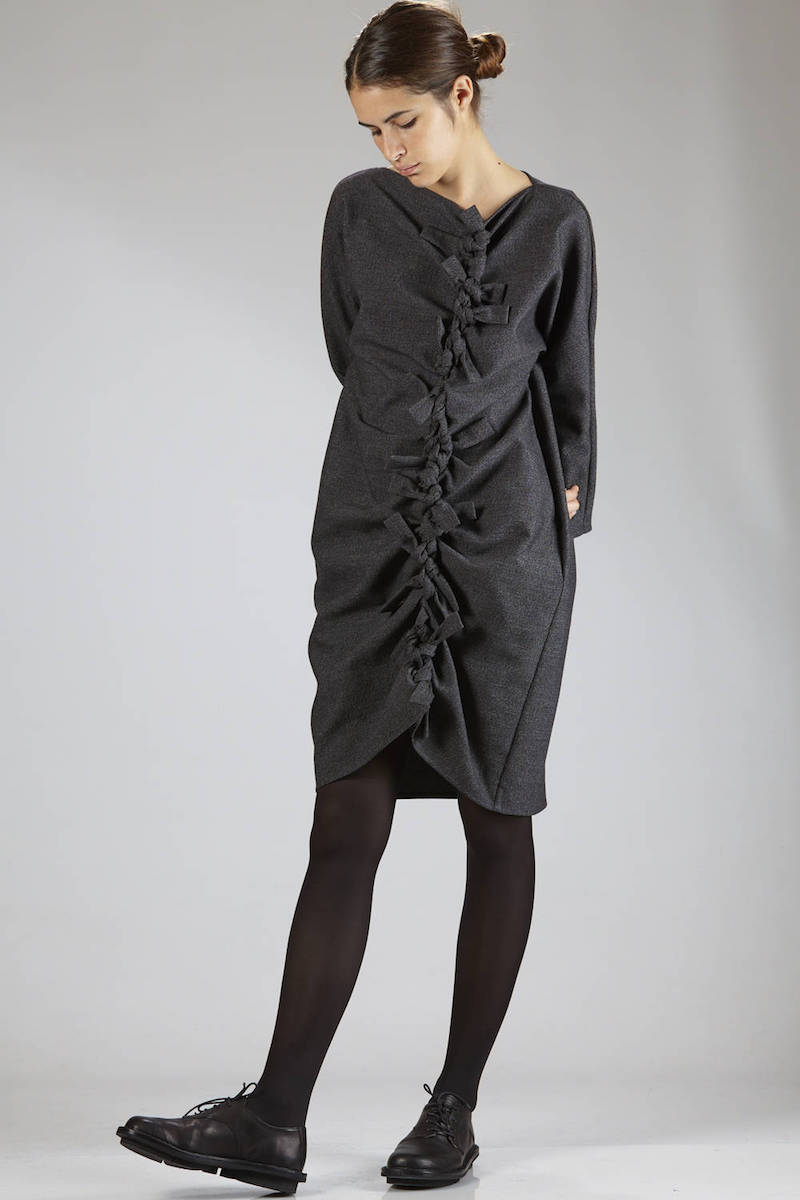
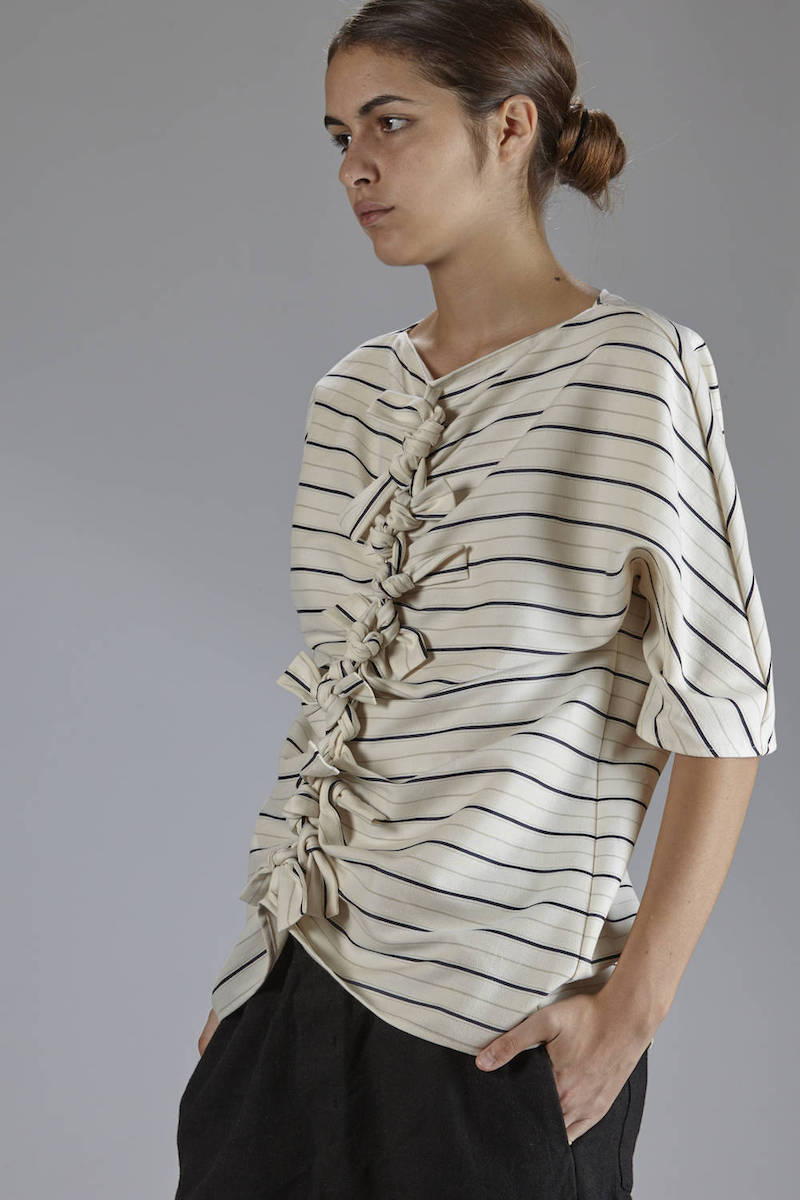
For the NODI DRESS, a special design was created with a structure that runs vertically through the dress: a sort of comb with teeth made of small strips of fabric. Only when the sewing is done and everything is completely finished are these strips tied by hand, and the dress slowly takes shape, taking on its final appearance thanks to a spine of knots and bows that gather the fabric in at the sides. Truly a captivating design!”

A made in Italy learned, who knows to confront the most daring challenges of the great Japanese school, knowing, however, to defend and define its own creative authenticity.


Read More

The minimalist design of the exclusively hand-made line of hats made for the German brand SCHA, belies the expert craftsmanship of the Polish designer Ewa Kulasek. Having studied painting and sculpture at the School of Fine Arts in Düsseldorf, the artist continues to explore the figurative arts from her studio in Cologne, choosing the aerial form of head covering as the form for her sculptural skills.

Read More