www.ivomilan.it

   IVO MILAN – Radical Fashion Blog

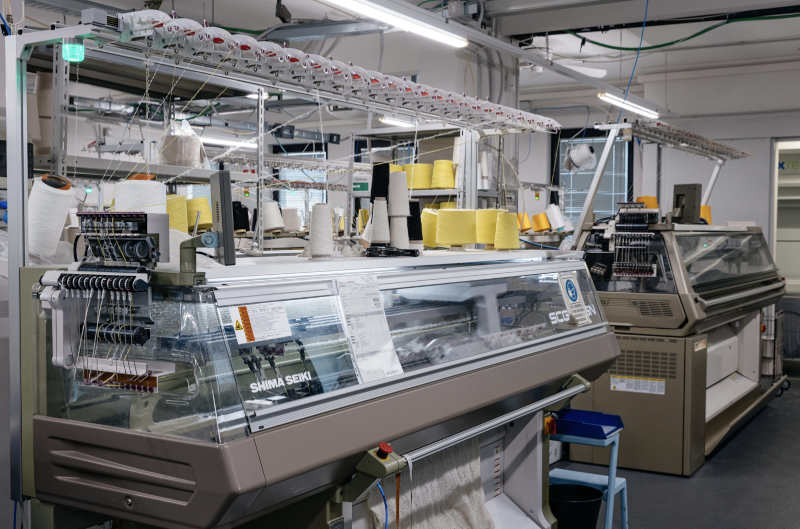
A story of craftmanship, family and excellence – this is Avant Toi, an Italian brand born in Genoa in 1955 with the purchase of its first knitting machine and the determination of Lia Gambetta, the founder.

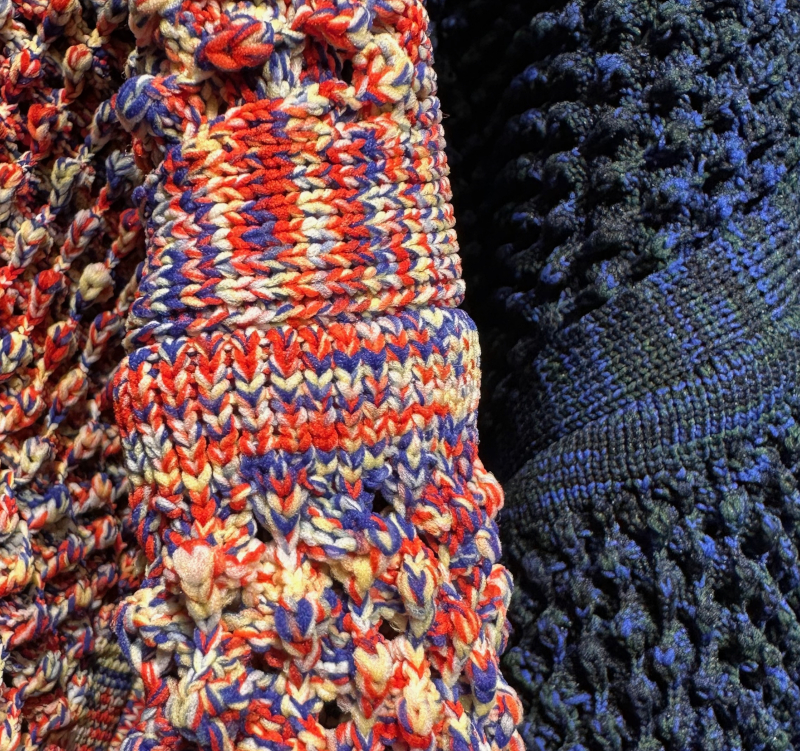
This journey has unfolded across the various phases of Italy’s economic landscape and, despite significant challenges within the textile industry, the company has grown and gained strenght over time, thanks to generational transitions, a close-knit team of collaborators and other key synergies: innovation, through investment in high-tech machinery, artisanal craftmanship (much of the work is still done by hand), the choice of noble yarns (cashmere, silk, linen and organic cotton) and a unique chromatic experimentation.

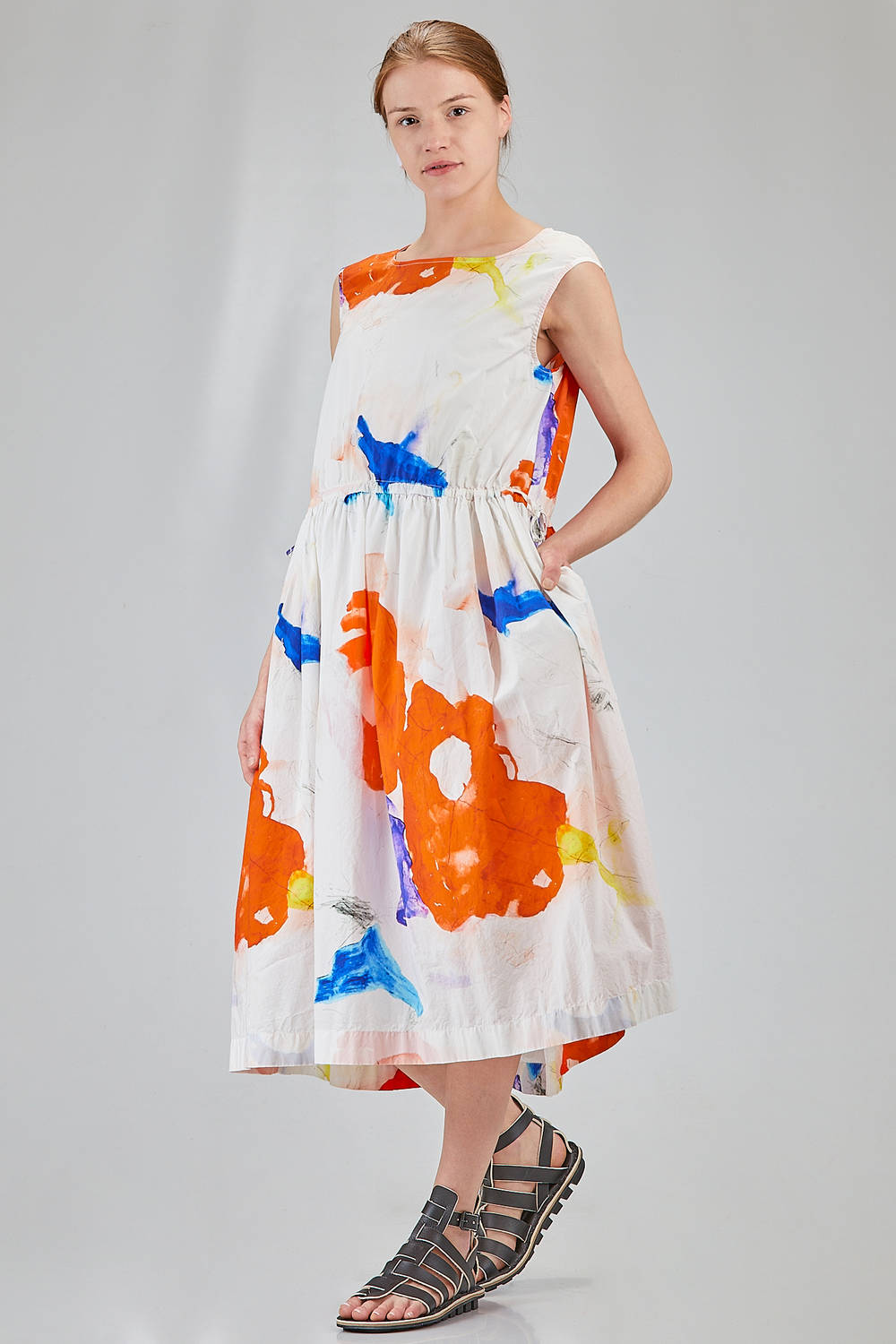
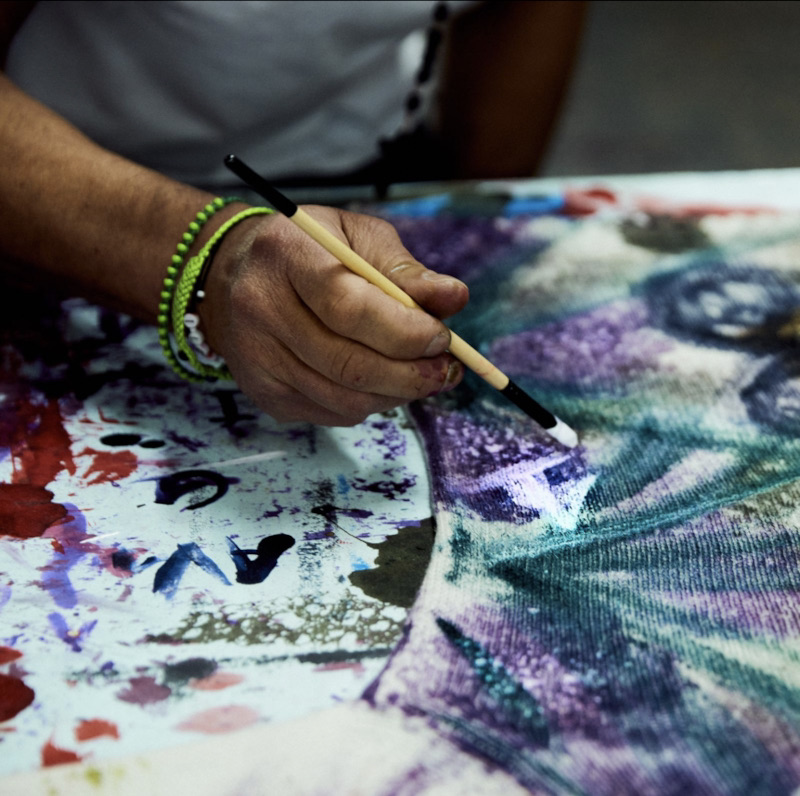
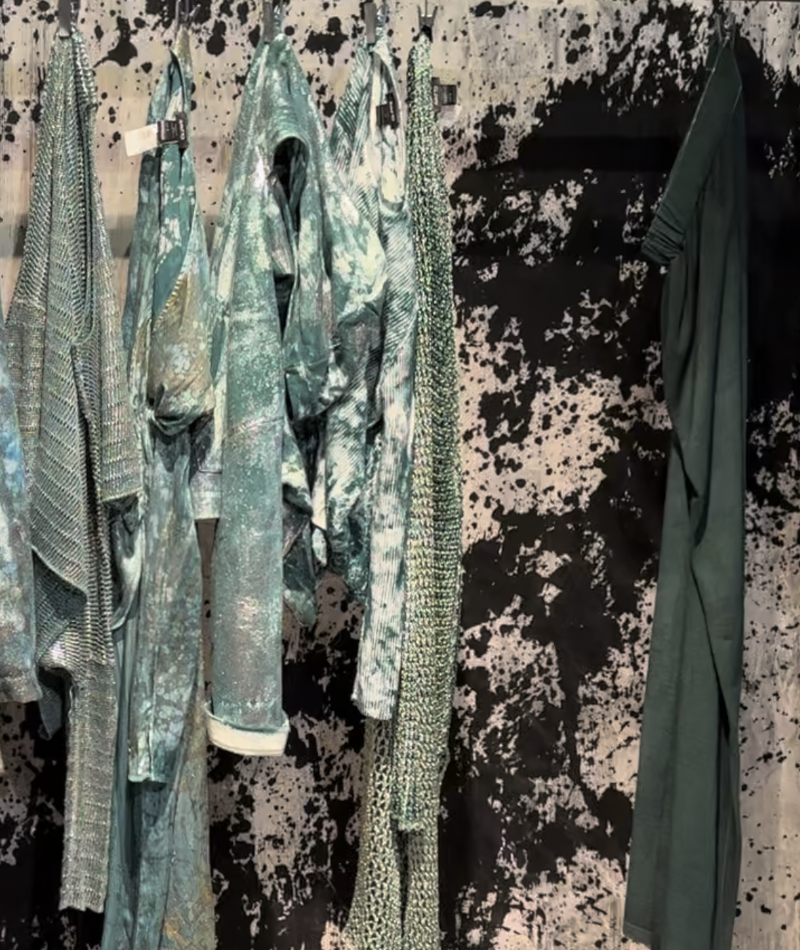
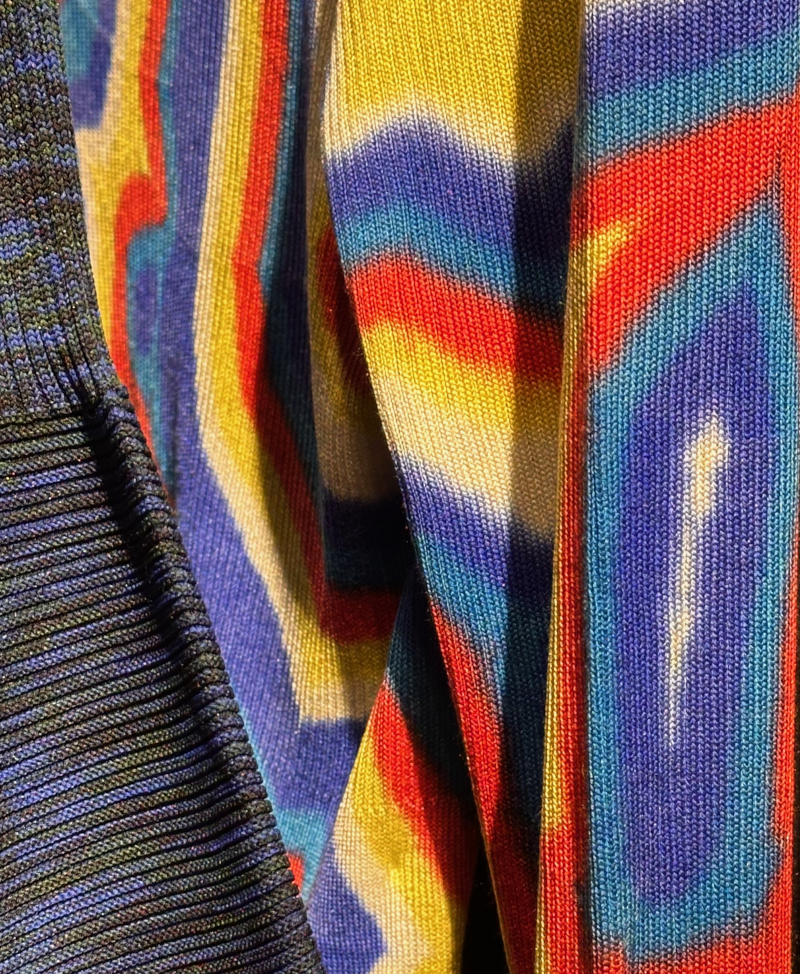
Mirko, Lia’s son, brings an artistic sensitivity and passion for painting that defines the brand’s contemporary identity. Inspired by hand-painting techniques, Mirko seeks knitwear as an occasion to explore the infinite potential of color. Starting from neutral or dark bases, different chromatic themes take abstract shapes, often shaded by the use of airbrushing, or more textured, in laminated yarns, almost metallic.

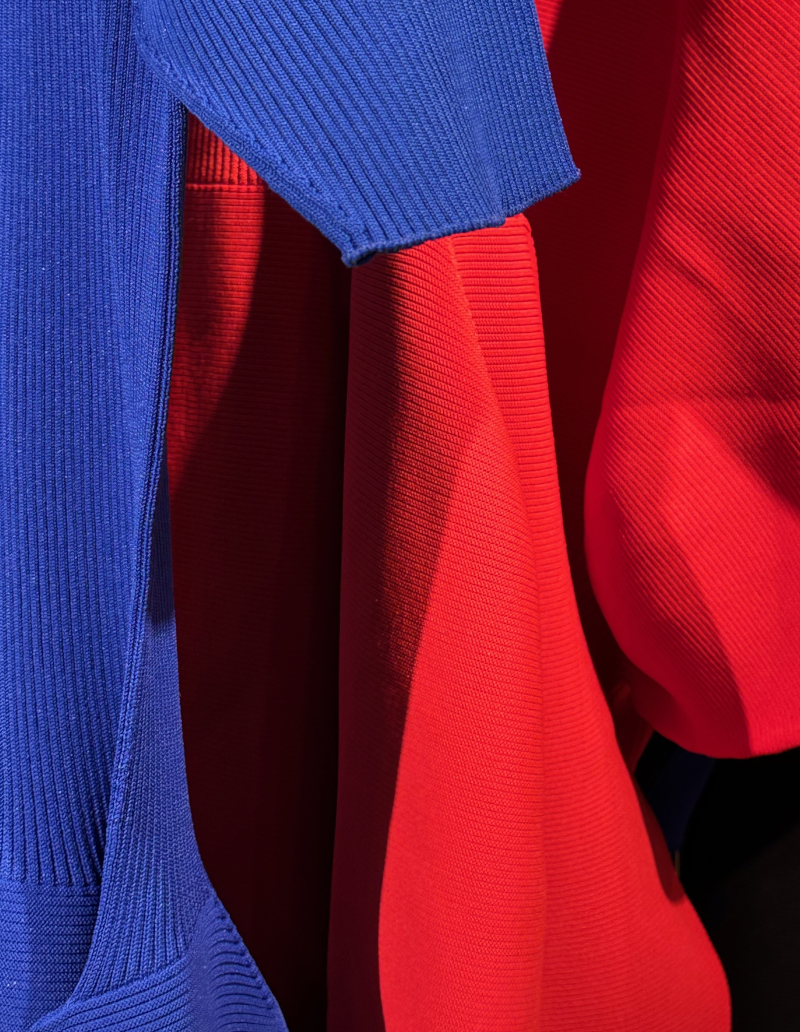
The world of Avant Toi, from essential silhouettes and effortless wearability, offers an endless spectrum of colors that, depending on the selected fiber, develops in exponential variations and, with remarkable versatility, moves from everyday wear to a more expressive need, without formal ostentation, but with a deep sense of personal satisfaction.

Here’s a sneak peek at our Spring/Summer 2025 selection.

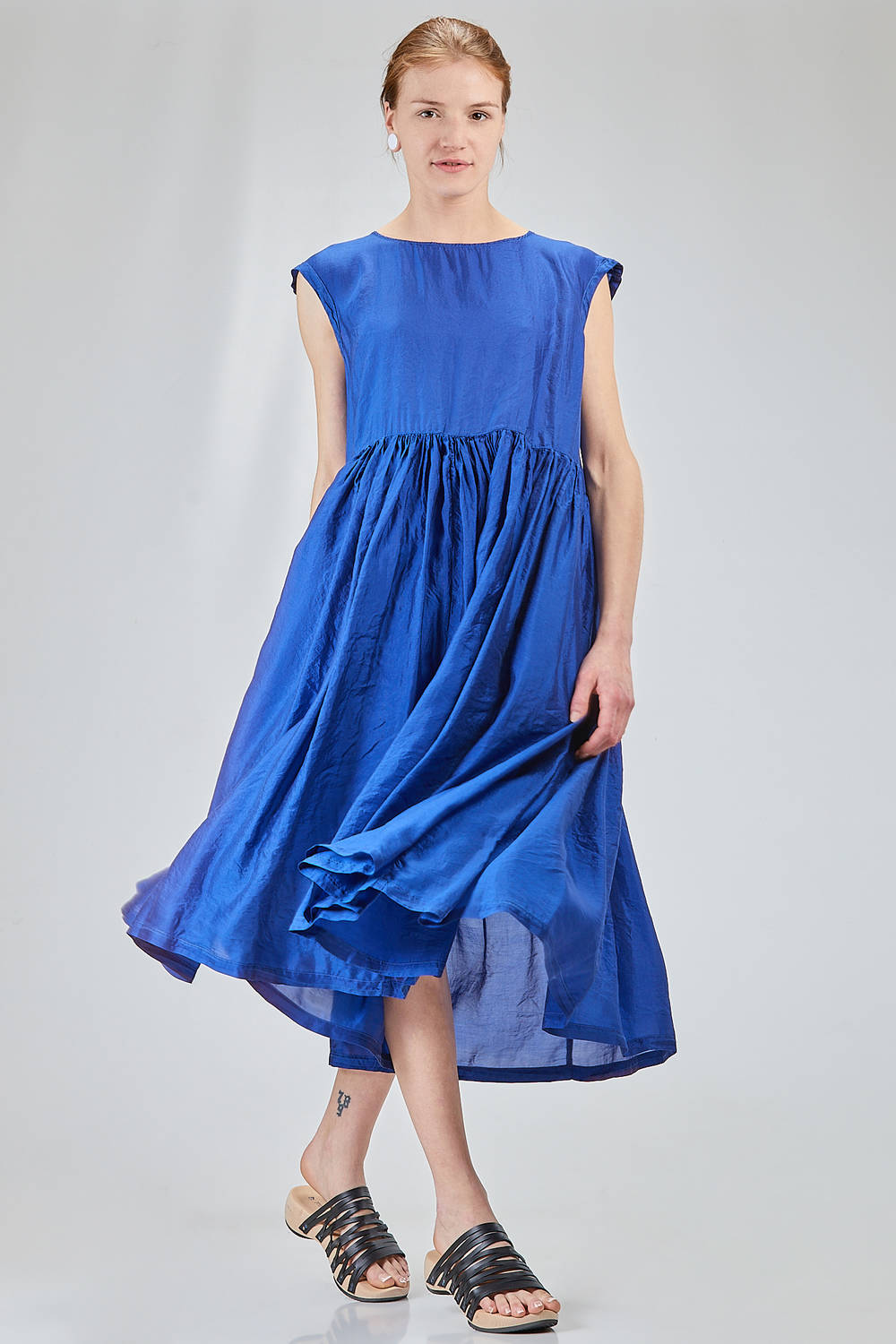
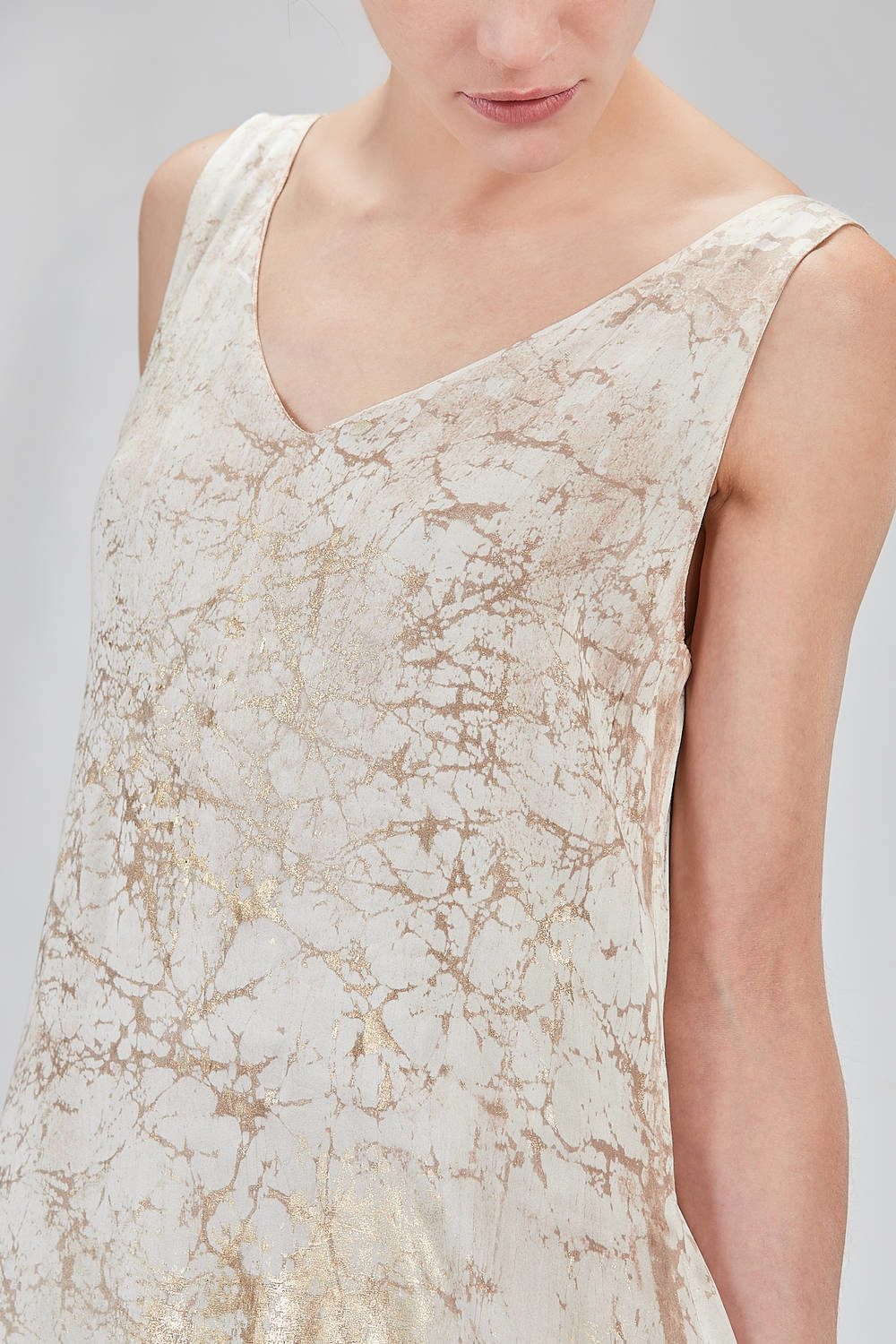
Long and flared dress, in laminated and glittery silk and elastan camouflage


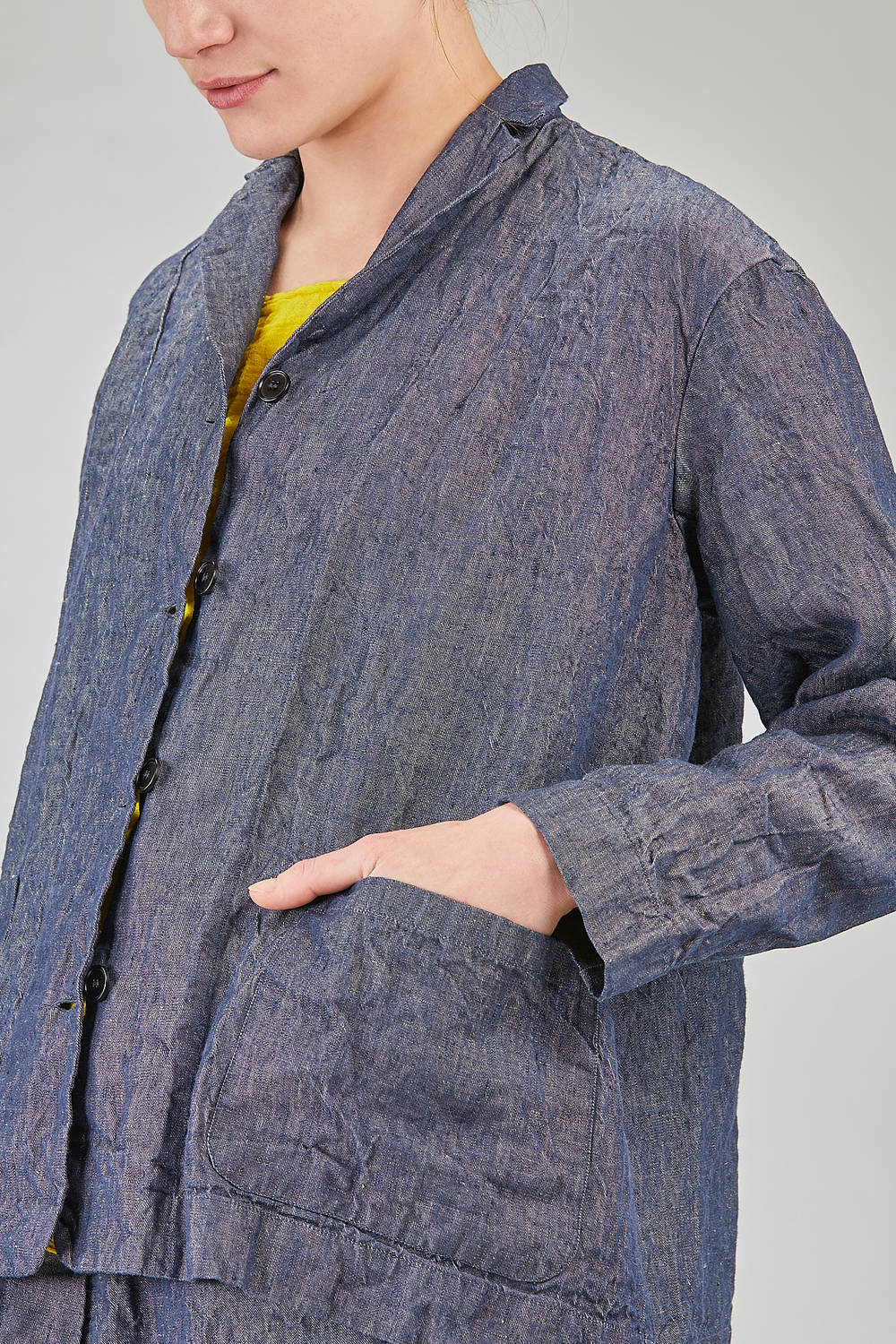
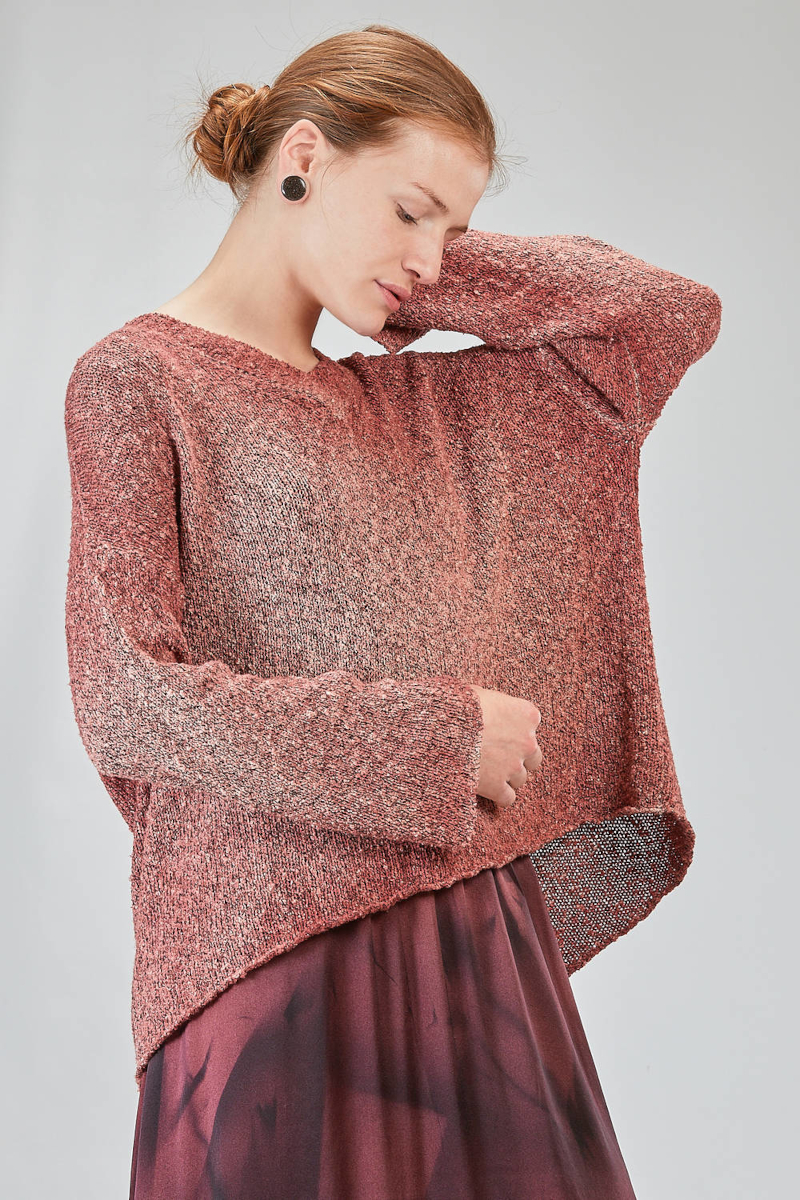
Hip-lenght sweater, wide, in cotton and polyamide mouliné knit hand dyed


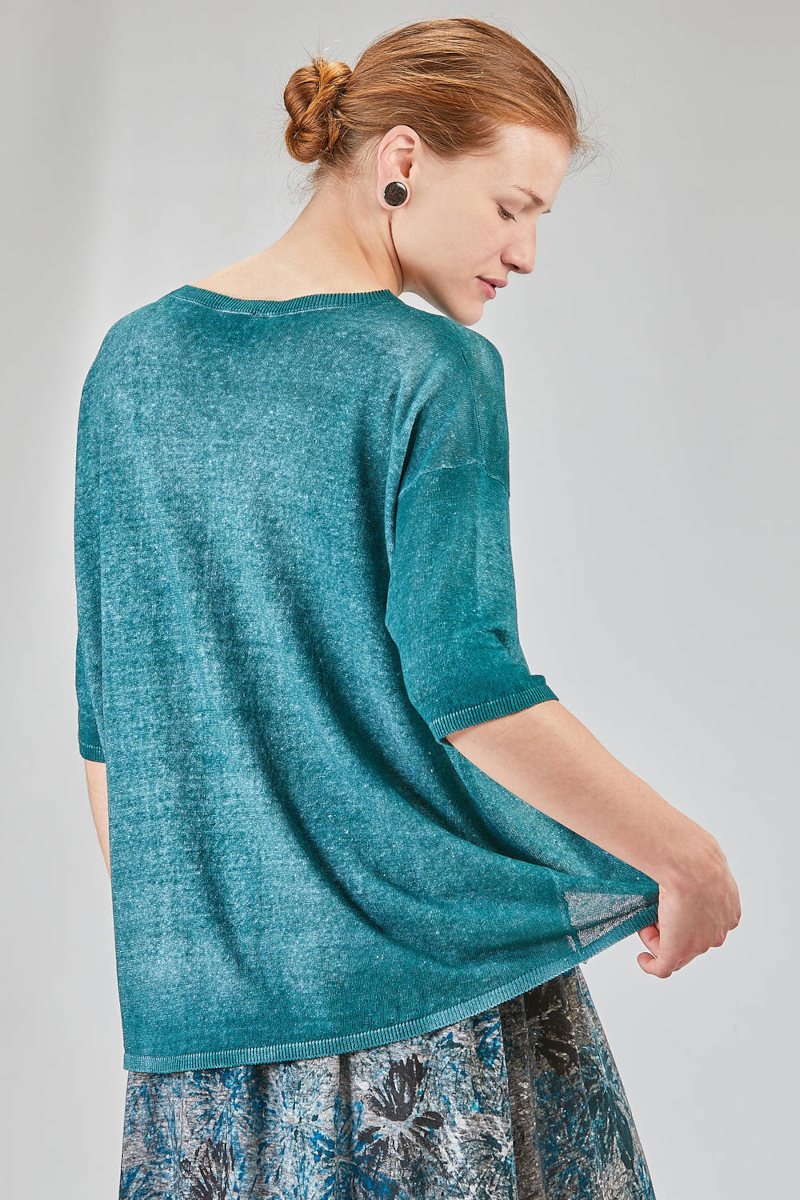
Hip-lenght sweater, wide, in linen and cotton knit hand dyed


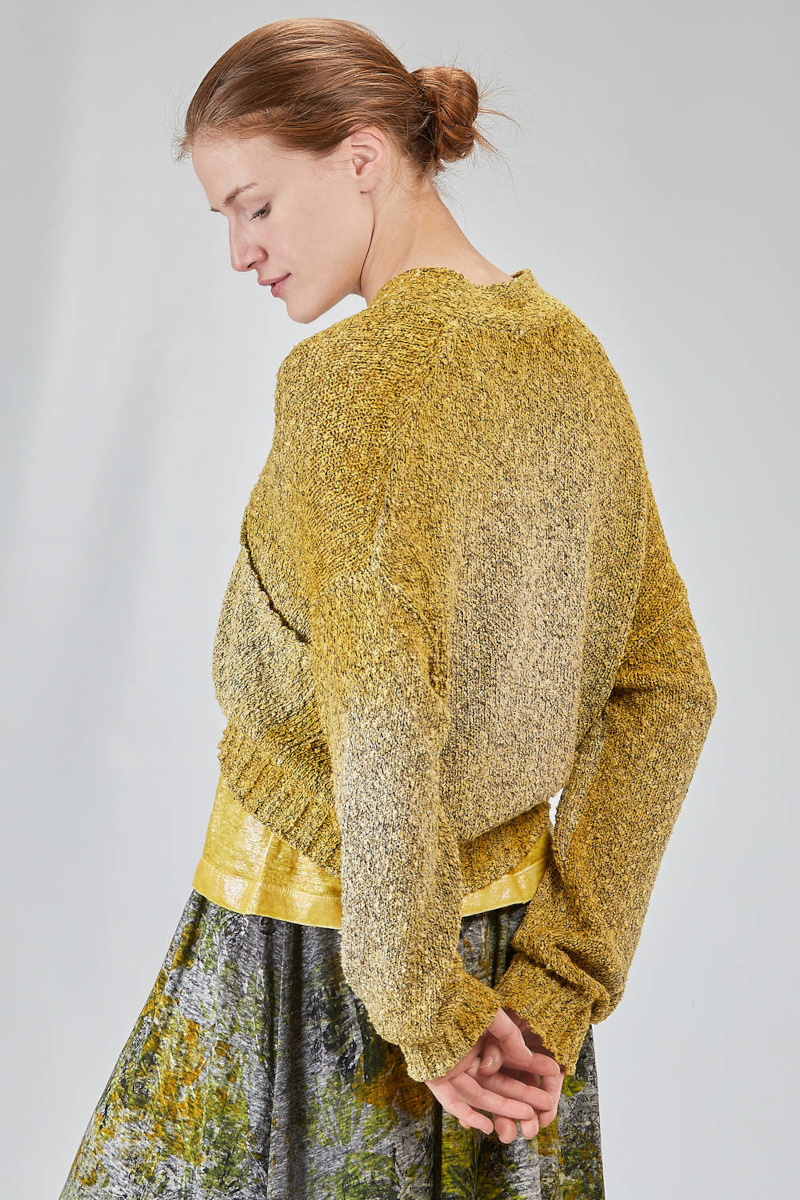
Short and wide cardigan in cotton and polyamide mouliné knit hand dyed


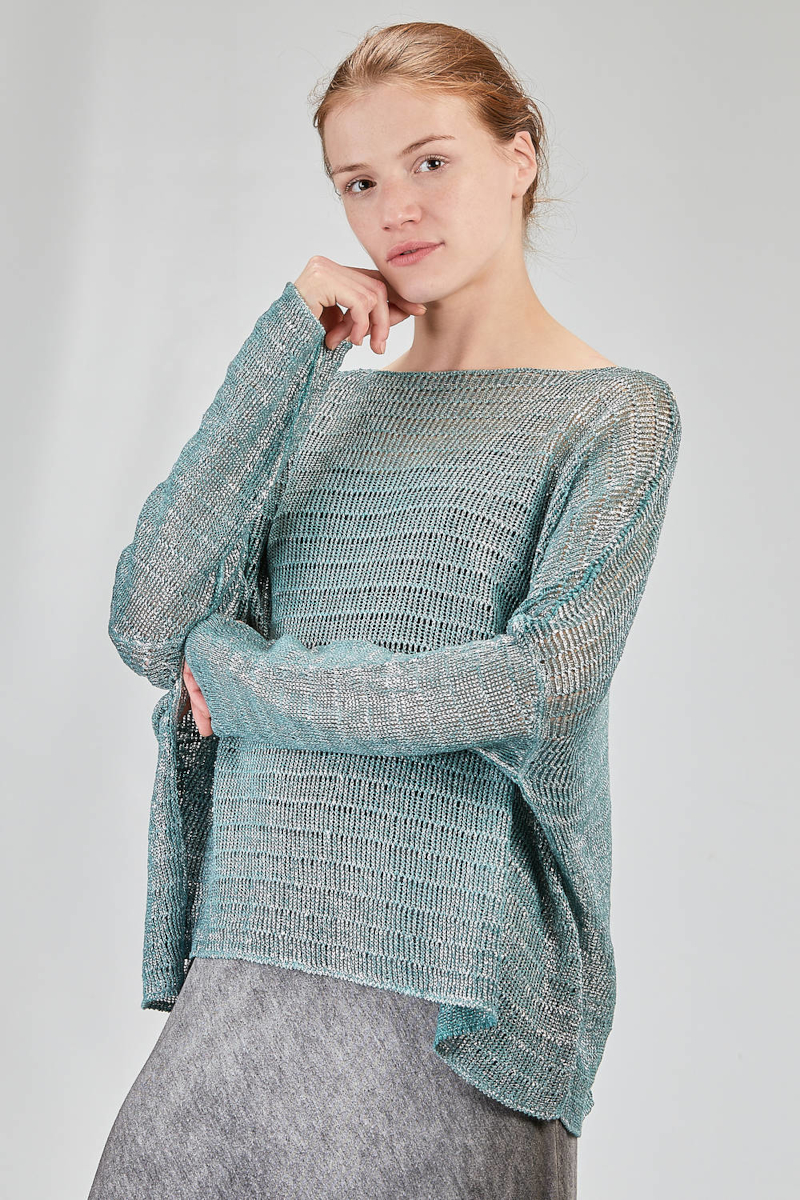
Long and wide sweater in laminated linen knit hand dyed


Read More

A futuristic development of the ethics of Miyake Design Studio directs the philosophy of the Japanese brand, now in its ninth season—tenth, if we consider the presentation already held in Paris for the upcoming Fall/Winter.

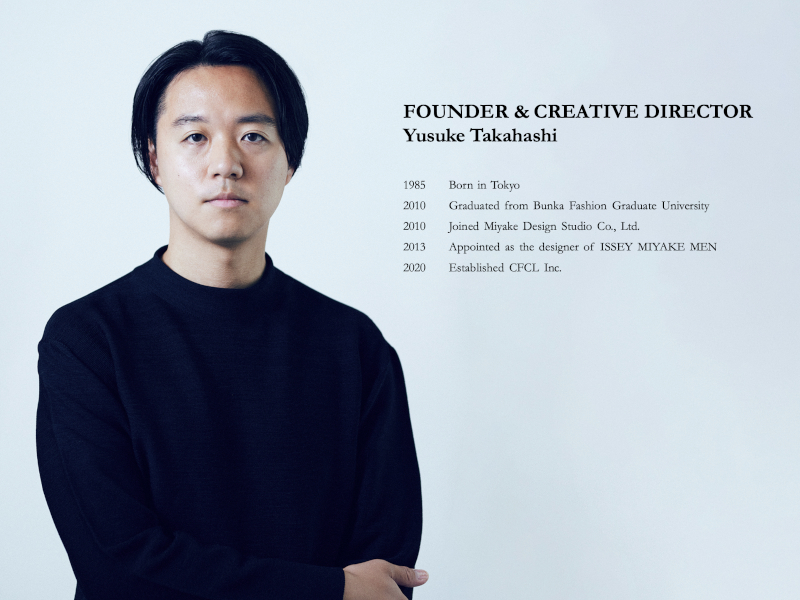
Yusuke Takahashi, founder and designer of CFCL, born in 1985 and a graduate of the Bunka Fashion Graduate University in Tokyo, joined the exclusive creative team of the Maison Miyake in 2010. By 2013, he became a central figure, signing the ISSEY MIYAKE Men line.

This was a valuable asset to the prestigious Japanese company, which was then still personally led by Issey Miyake, a visionary mentor of talent to be gathered and encouraged to ensure the continuity of the brand that still carries his name today.

In 2020, likely sensing a shift towards a more radical and secure business direction at the Maison Miyake, and with a wealth of experience acquired, Takahashi emancipated himself, launching his own brand, CFCL. A synthesis, once again, of promising Japanese tradition blending experiences and cultures, with an advanced approach to global transformations.

Where is fashion, one of the most polluting industries in the world, headed?

What should be offered after the traumatic experiences of the pandemic, which have made the balance between comfort and social life more fragile?

How to respond to artistic and cultural contexts that still demand expressive differentiation in daily and professional representation?

What can new technologies and social networks offer?

Questions that, connected to his time, also inspired and gave breath to Issey Miyake himself.

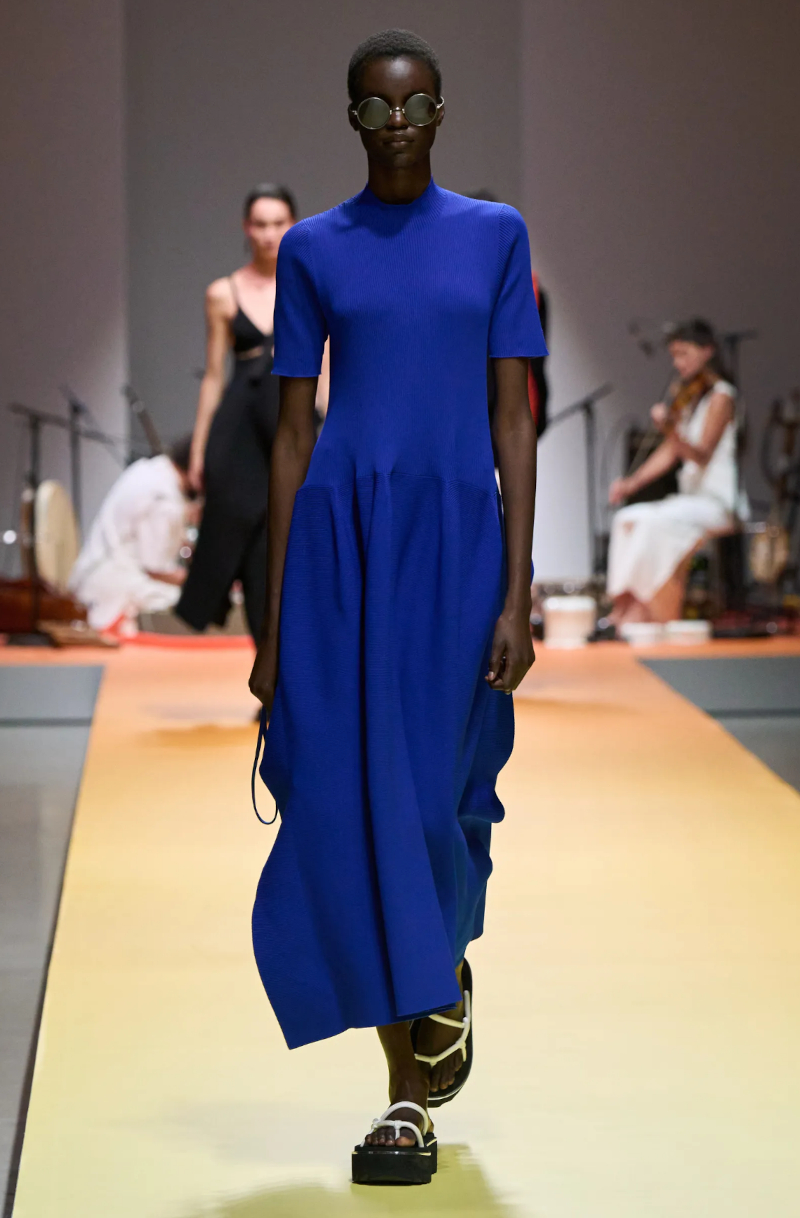
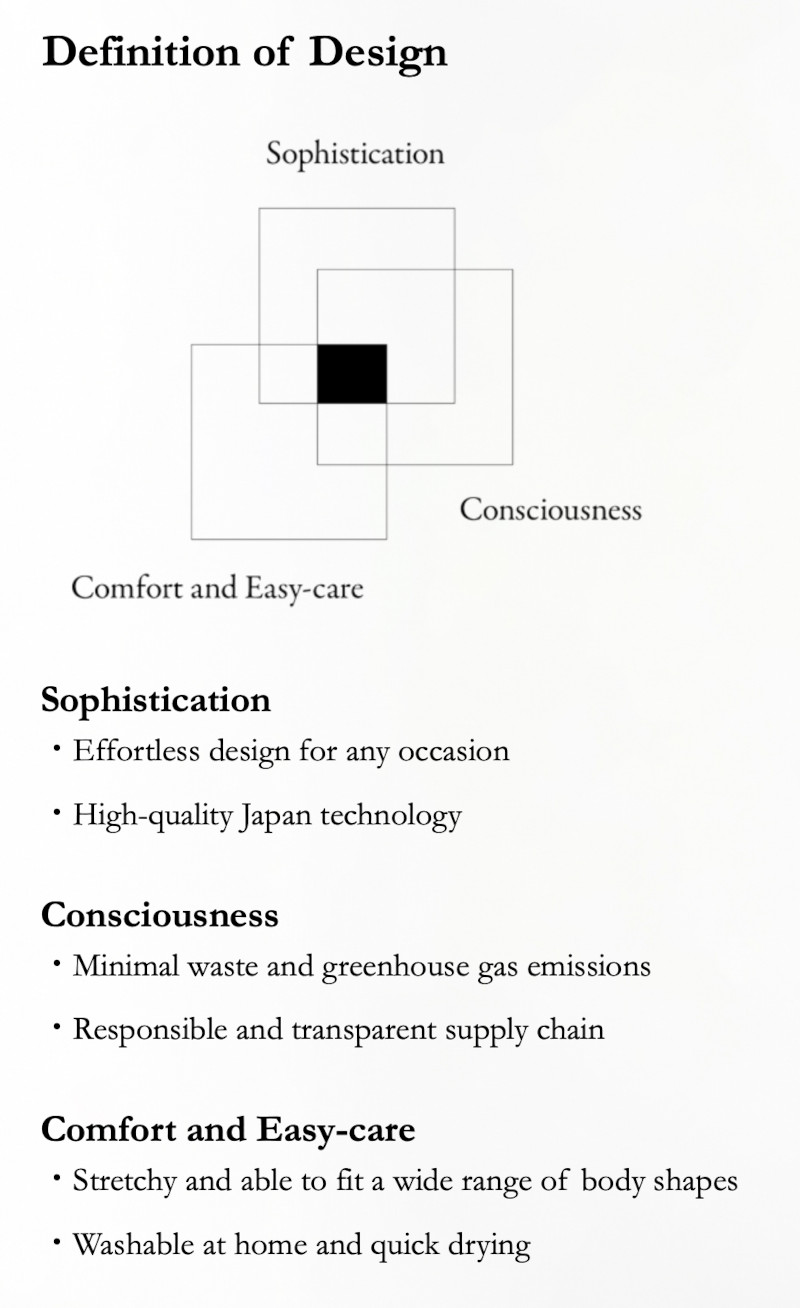
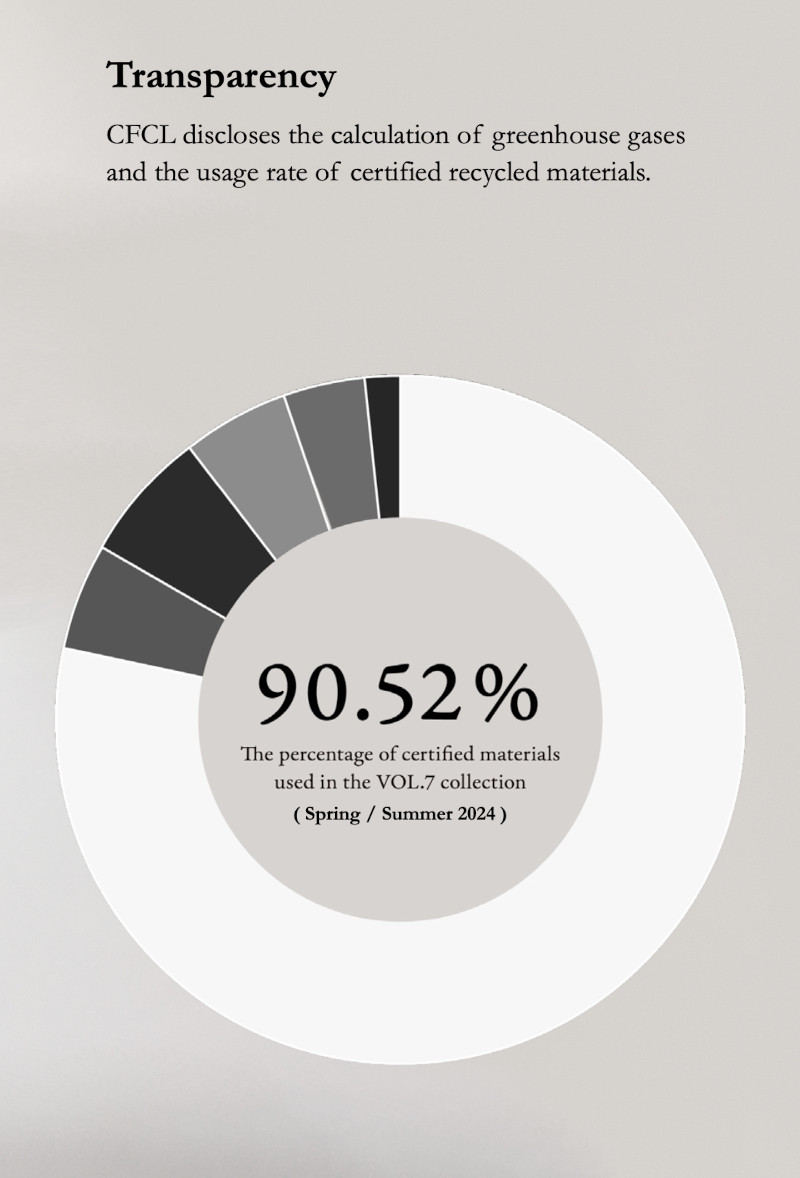
Thus, CFCL was born, striving to provide answers and depth to crucial themes such as environmental respect, versatility of use, silhouette, and context.

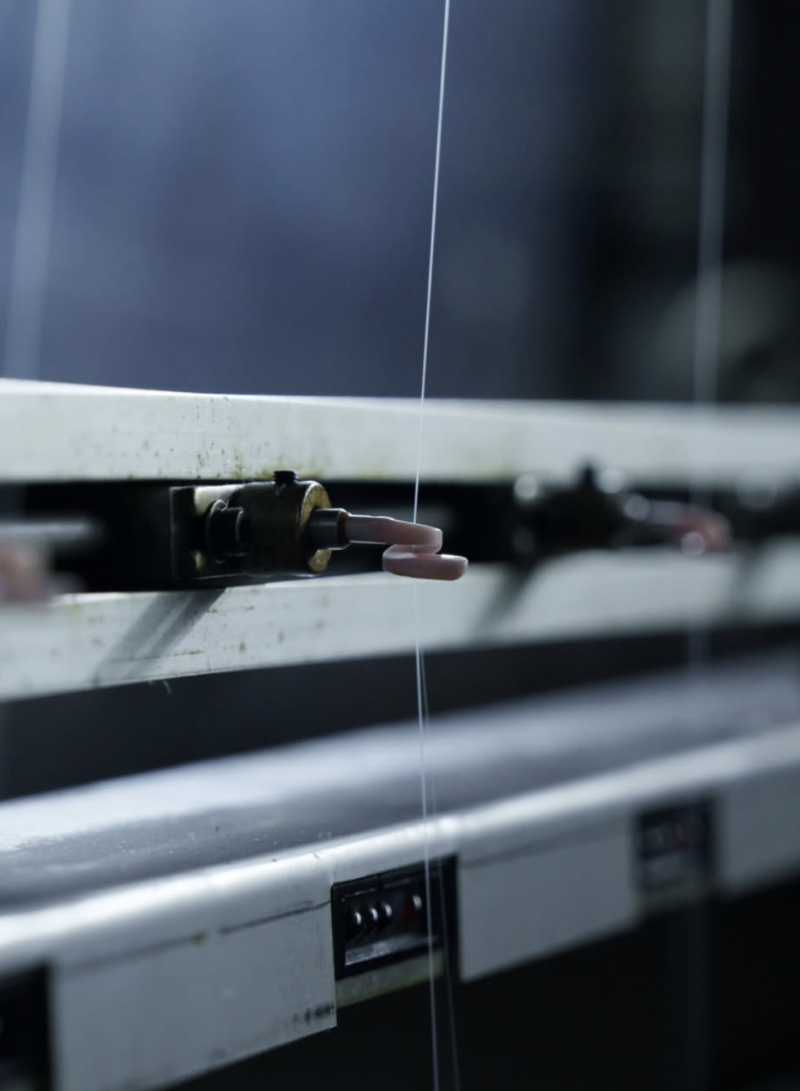
Takahashi put in place his advanced studies in computer-aided knitwear design, offering the possibility of eliminating textile waste.

The choice of a knit production model, designed in advance on the computer, allows for flexibility in sizing, especially in length, while minimizing fabric leftovers.

He connects networks to recover residual materials, such as polyester, recycling, trimming, and re-dyeing them through sustainable, traceable supply chains, right down to their source, using traditional Japanese dyeing techniques (from ikat to shibori, etc.).

He seeks adaptable forms for both domestic and social contexts.

CFCL is a reality centered around being in the world with respect, comfort, creativity, and common sense, without giving undue importance to the eccentric images of a designer locked in their own small conceptual world.

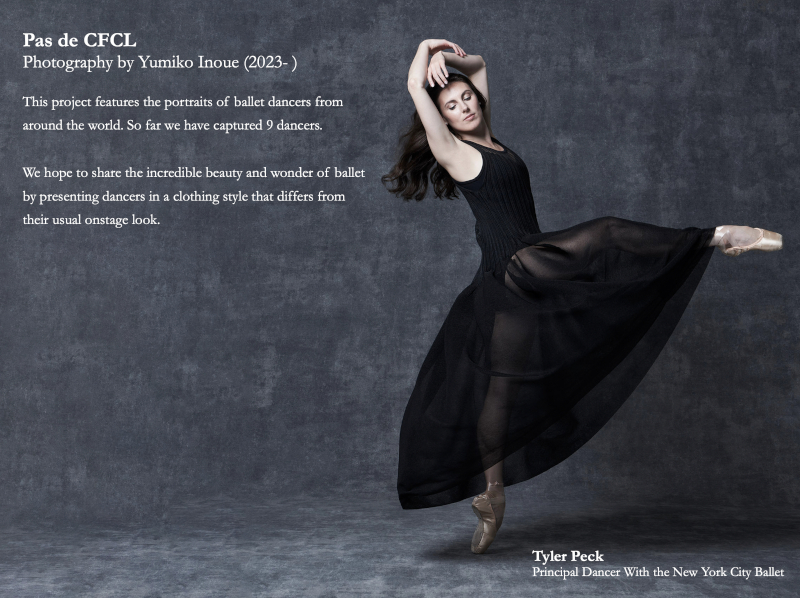
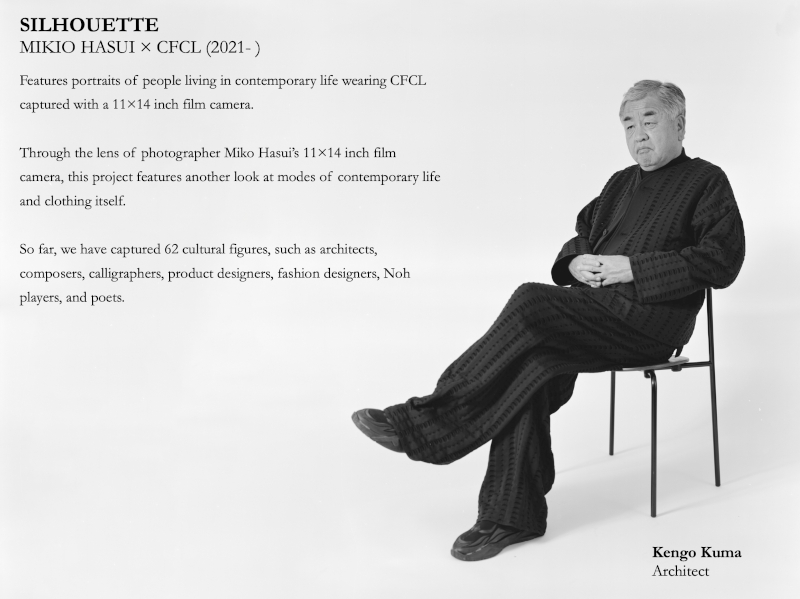
The significant collaborations with contemporary artists, ranging from music to dance, from interior designers to architects, are no coincidence. This international support reflects a concrete global project.

Read More

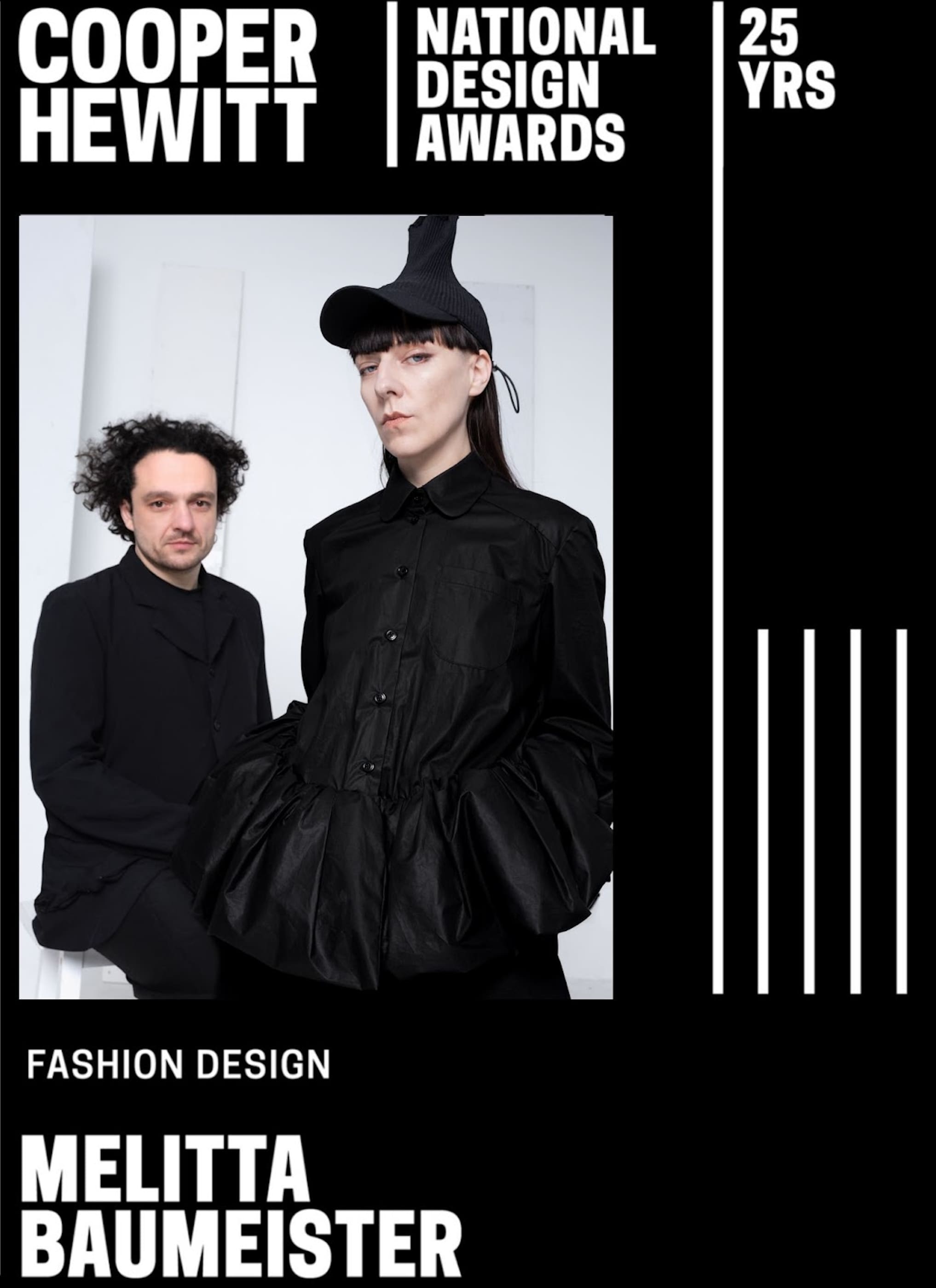
We have already had the opportunity to present the work of one of our most recent new entries, Melitta Baumeister, but it is with great satisfaction that we share the prestigious recognition she has just received as the winner of the 2025 edition of the National Design Award from the Cooper Hewitt Smithsonian Design Museum in New York.

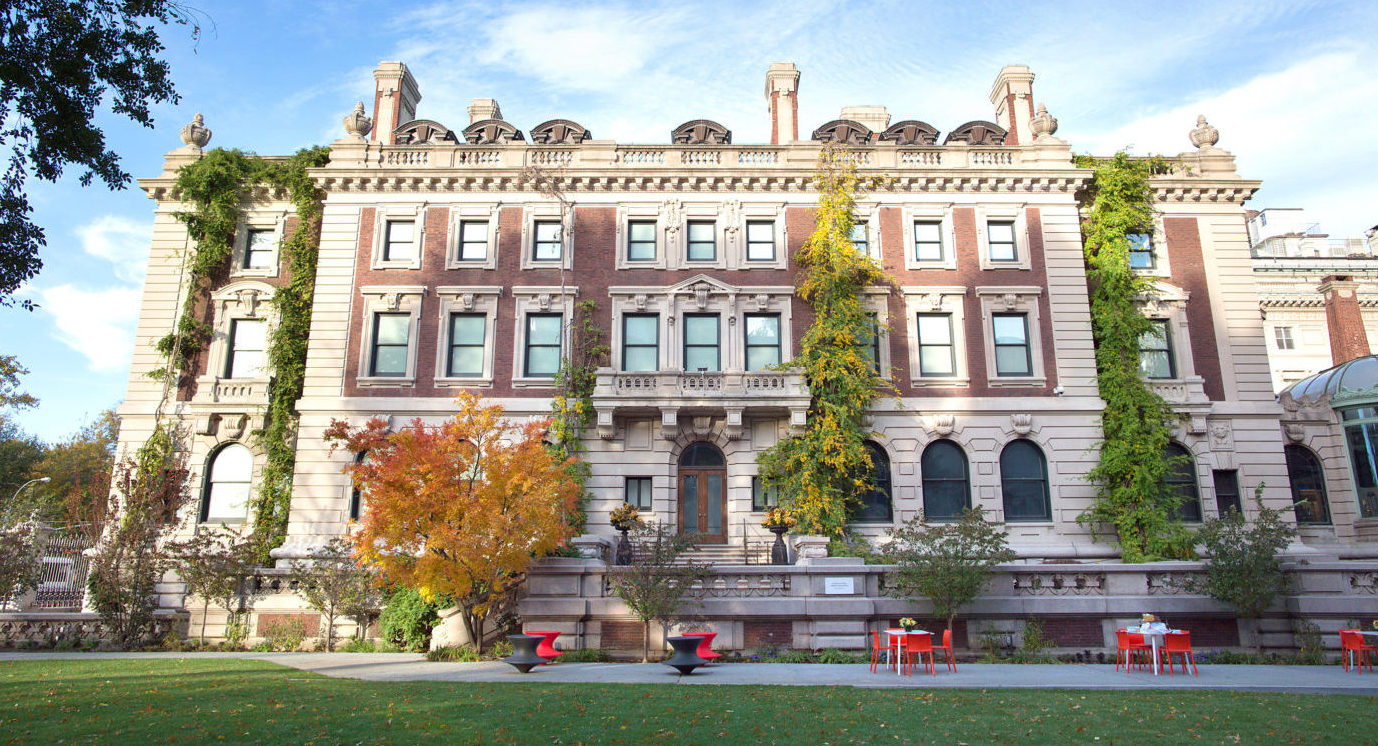
The most important United States institution, dedicated exclusively to historic and contemporary design, and home to one of the world’s most articulated collections, with over 215.000 objects that cover 30 centuries of history, insaugurated this award in 2000,in collaboration with the Millennium Council of the White House, to highlight the impact of design on daily life and our ecosystem. The awards, diverse in their categories (fashion, interiors, architecture, communication, etc.), honor innovation and projects that have the potential to generate transformations in the social and natural world.

And what connection does this have with Melitta’s work?

As she herself states:

In our studio, we create clothing that will be worn and become part of someone’s life. It will attract attention, spark conversations, and sometimes challenge perceptions, encouraging new ways of seeing the world.”

After the success of the 2023 edition of the CFDA/Vogue Fashion Fund, the designer, of German origin, continues to confirm herself as a bright promise in the international fashion scene. Not only does her work manifest a strong aesthetic, where volumes and silhouettes become sculptural, surprising, and sometimes humorous and playful, but it is also deeply rooted in the ethics of slow-fashion, featuring a rich repertoire of enduring pieces and short supply chains with a low environmental impact.

So, why not take the opportunity to get to know some of her works, suitable for the in-between seasons, always with a strong transformative and timeless flavor?


Longuette ‘sculpture’ dress in polyester pleats hand dyed with iridescent effect, round-neck with profile in contrast of color, short rounded sleeves with circular band at the end, circular bottom with rigid inner band

Sculpture dress, long and lean, in recycled polyester and polyester jersey with bark texture, mock turtleneck with little buttons, long sleeves, padded band at the bottom with circular waves effect

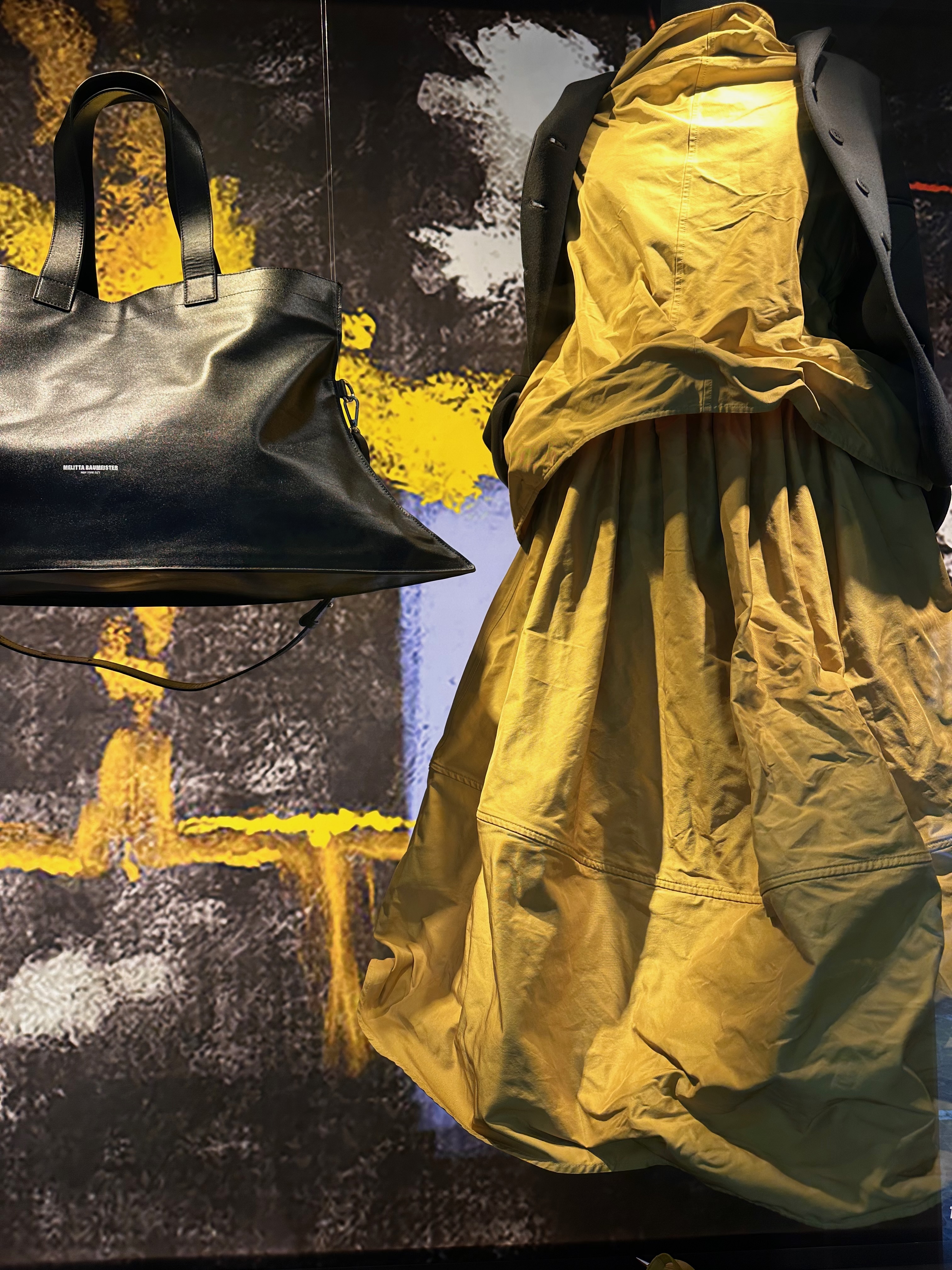
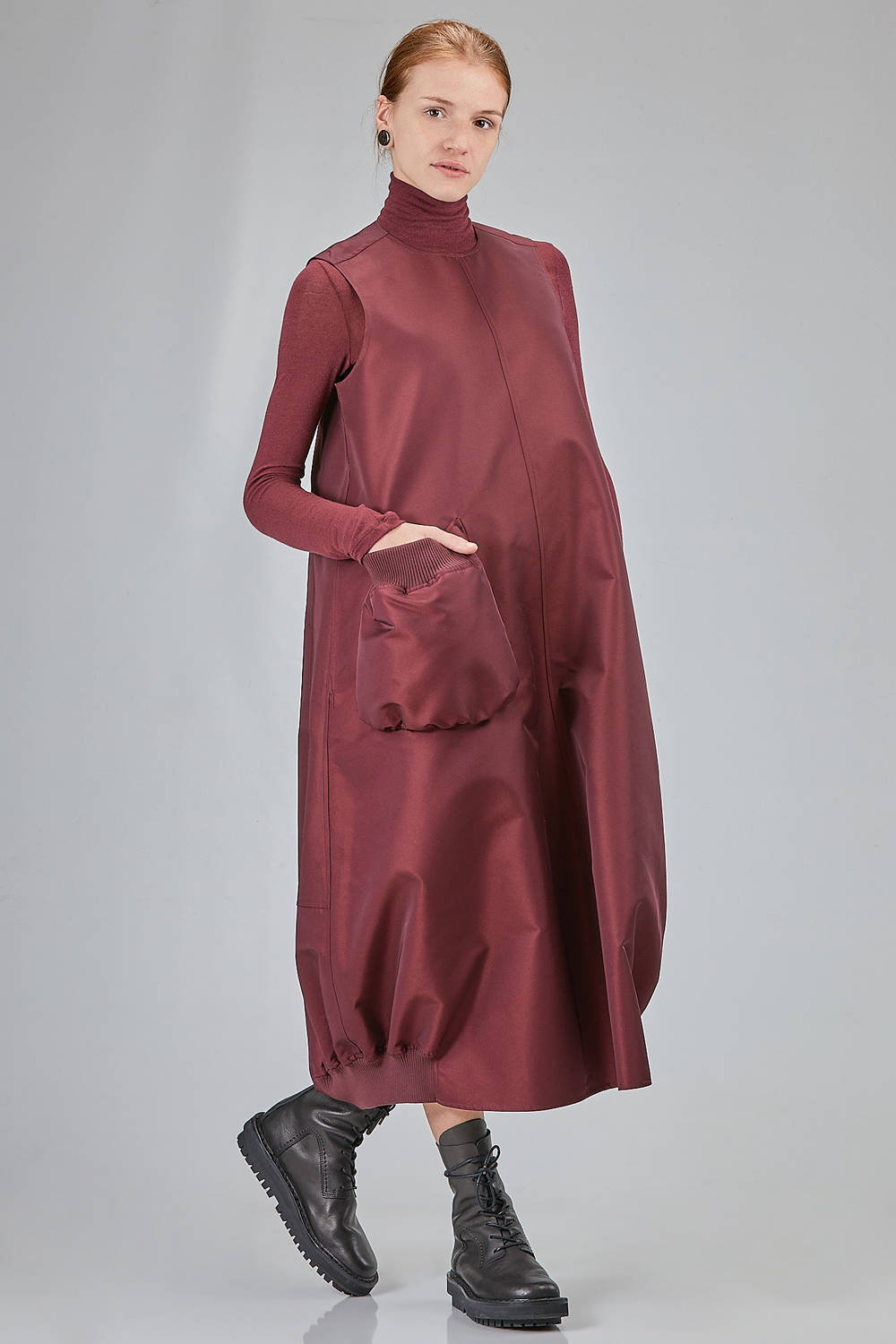
Longuette ‘bomber’ dress, wide, in heavy nylon taffetas, round-neck with button on the back, sleeveless, big pocket applied on one side with high knit band, oversized bomber jacket like bottom with high knit band on the sides and longer on the back

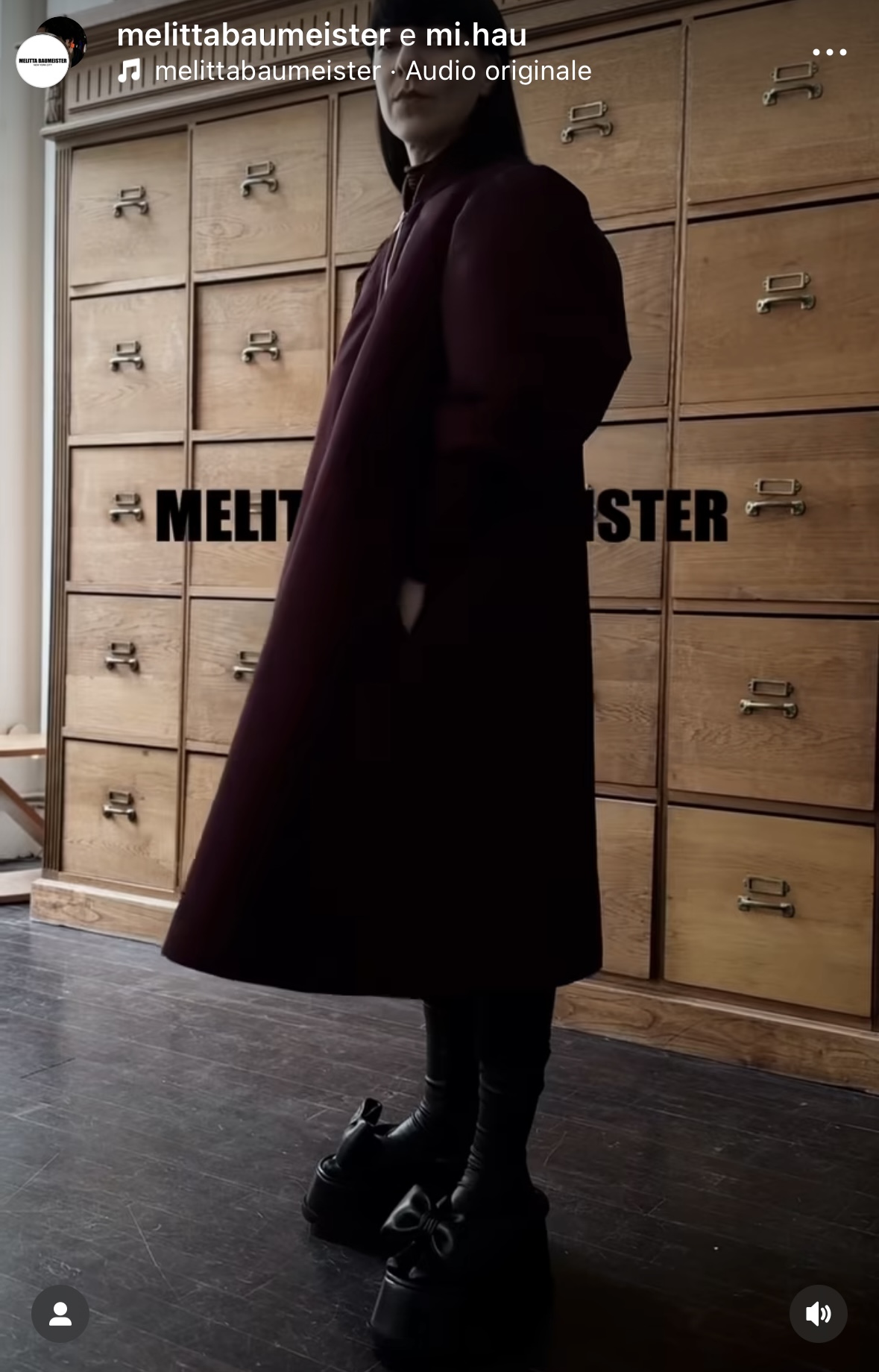
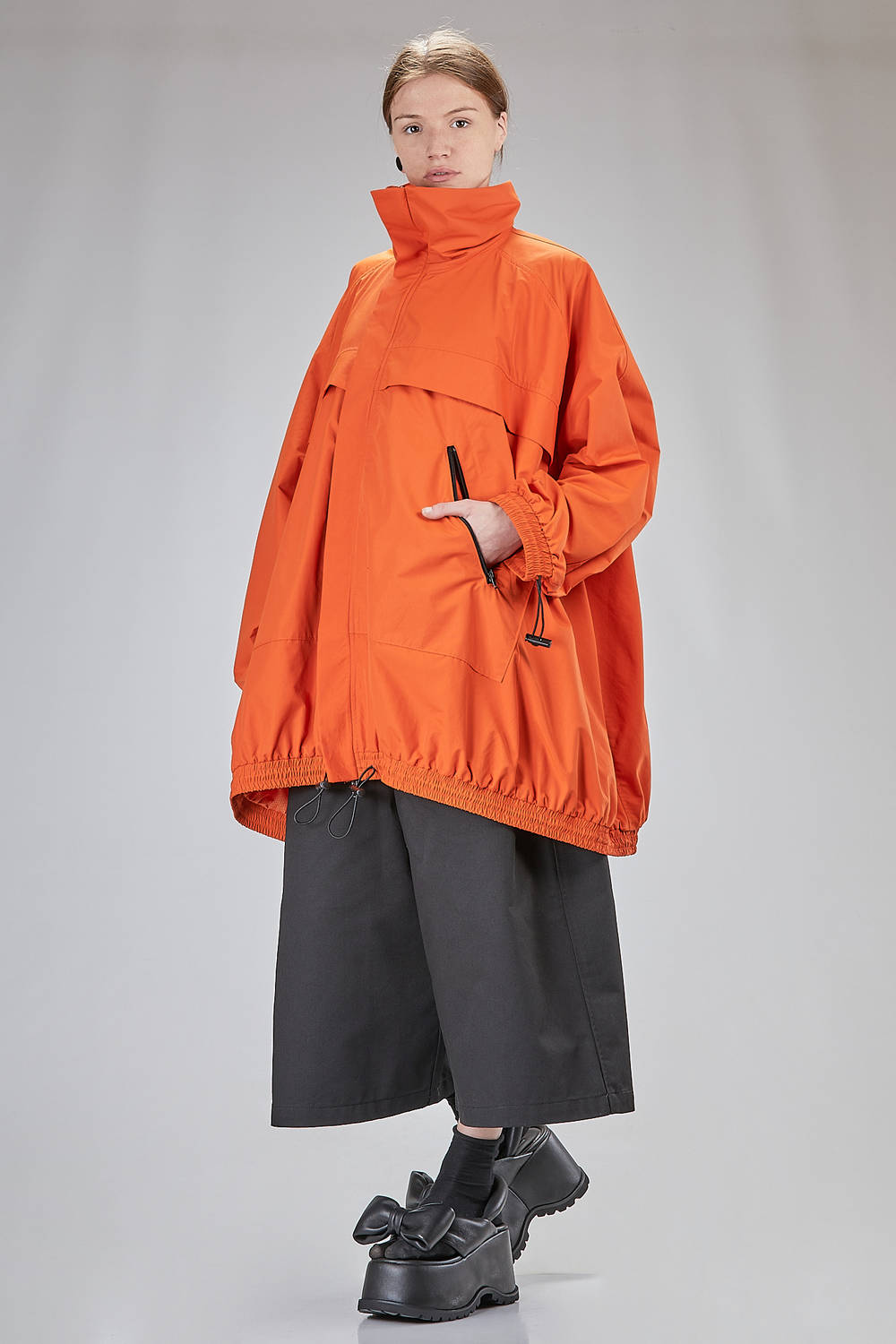
Oversize peacoat in waterproof nylon canva, one chest, crater collar, zip-closure with double slider, vertical cut with opening on the back of the sleeve to be worn as a cloak, two welt pockets and two with zip in contrast of color on the back, two pockets applied on the bottom on the back, coulisse on the end of the sleeve and on the bottom of the peacoat

‘Sculpture’ dress, longuette, in polyester plissé with vertical folds on the bust and horizontal on the skirt with snakes tattoo print, round-neck, sleeveless, wide skirt and abstractly far from the body with wavy circle motif on the waist line

To discover the collections: Melitta Baumeister – Ivo Milan Radical Fashion


Read More

We are in Bergamo, but the journey begins far away, in Tokyo, the city of birth and education. Risa specializes at the prestigious Tama Art University in textile design, a path that leads her to the Miyake Design Studio, where she collaborates on the most artisanal of the lines, Haat.

The move to Italy follows, as often happens for Japanese talents, where she works until she is able to open her own tailor shop, creating only custom made garments, in the historic center of Bergamo. Finally, the big leap: a small production destined to a few select boutiques around the world, and a brand that carries her name: Risa Nakamura.

The designer brings into her workshop the great textile expertise of Japan and works with meticulous craftsmanship, ranging from chromatic research with plant-based dyes to the manual creation of buttons made from Calabrian briar wood, salvaging the remnants of this sturdy wood, typically used for smoking pipes. Her sensitivity extends even to the most overlooked materials, like buttons, sometimes barely visible because hidden by discreet flaps.

Japan influences the entire atmosphere of Risa’s work. Its presence is felt in every gesture: the selection of pure fibers, like Shetland wool, protected by its well-known roughness with natural linen linings; organic cotton suede, an alternative to the more casual sweatshirts; the crisp lightness of washed silk crepe de chine in her color palette. Japan twirls between strict or soft forms, inspired by workwear or the elements of the kimono, as well as in certain exercises typical of origami, where the development of geometry begins with small repeated connections, as seen in her patchwork skirt made of one hundred pieces, coming together to form a perfect circle.

Risa’s world, shared with her most loyal collaborator, her husband Emiliano, is dominated with a slow, patient, and sensitive aesthetic, dedicated to generating a surprising Zen-like balance: simplicity, care, and a laboriously engaging, existential gentleness.

To discover the new collection: ivomilan.com

Read More

Opportunities to showcase the work of Junya Watanabe, the Japanese designer historically produced by the Maison Comme des Garçons, have been plentiful. He was among the illustrious guests at the Radical Fashion exhibition at the Victoria and Albert Museum in London back in 2001, which also inspired the homonymous publication.


Elements such as origami, metal detailing, and eco-leather are repeatedly used to create a strongly recognizable language that sits at the intersection of avant-garde cyber-metropolitan trends and the visual arts.

According to the philosophy established by the Japanese school—from Rei Kawakubo to Issey Miyake, Yohji Yamamoto, and others—the dress transcends its simple decorative function, of medium and filter for social representation, instead becomes a creative opportunity and a textile device of complex realization.

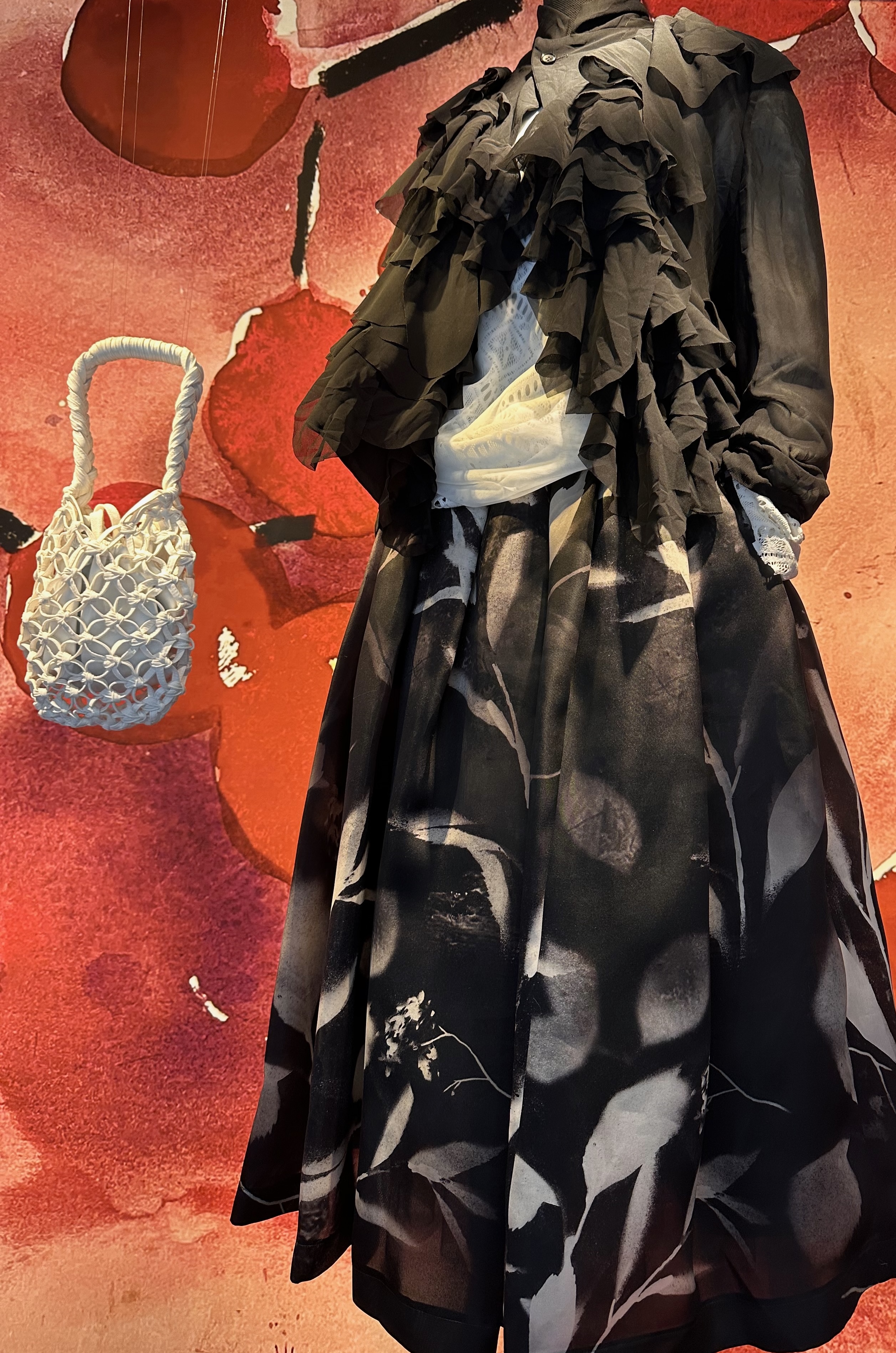
For the current Fall/Winter season, Watanabe’s patchworks of matter evoke the ostentatious yet irresponsible luxury of snake skin, but in his hands, everything is a construct. The shapes, innovative and sculptural, articulate poetics that stand in stark contrast to any vulgarity. Silhouettes expand, as seen in the ‘spatial’ coat, whose expertly balanced volume takes the form of a spiral cape made from faux leather sewn onto heavy wool melton. Alternatively, they soften in a more subdued version with dropped sleeves. The dry eco-leather dress, essentially a long vest that can be layered over simpler outfits, does not shy away from more explicit elements of femininity. Unmissable the denim, with the collaboration with Levi’s, deconstructed and recomposed following the theme of the season.

This bold rhythm is a symphony of high notes and more subdued tones, a laborious composition between everyday contexts far removed from boredom and more vibrant and expressive social events.

Read More