www.ivomilan.it

   IVO MILAN – Radical Fashion Blog

Archive
Arte

Flowers and Terracotta…

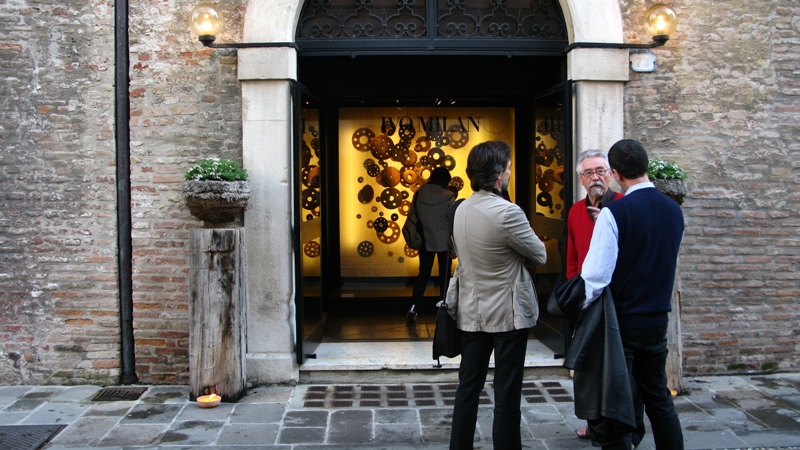
Cultural encounters and events allow us to remember that IVO MILAN is more than just an online catalogue available anywhere in the world and that it is first and foremost an actual store, located in the historical centre of Padua, Italy. The store’s location makes it a highly visible meeting point that lends itself to exchanges between people from diverse backgrounds, united by a strong aesthetic sense and the desire to share their work with the public.
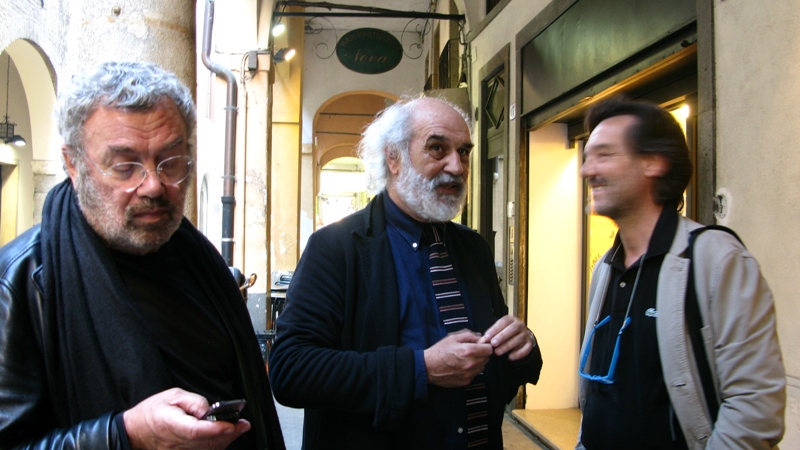
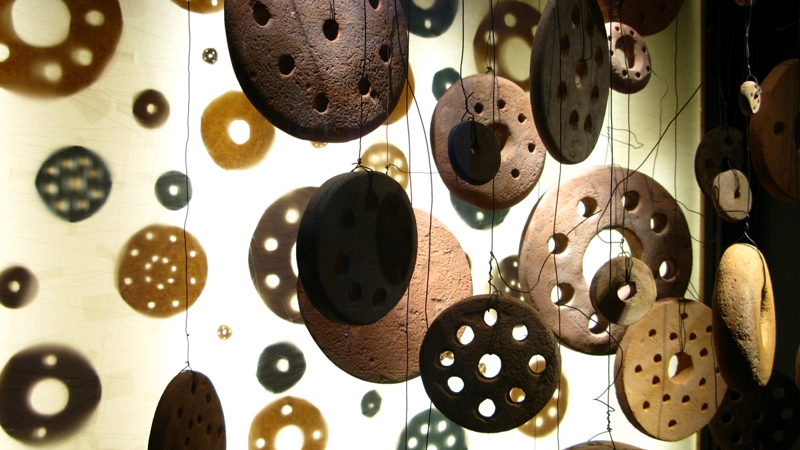
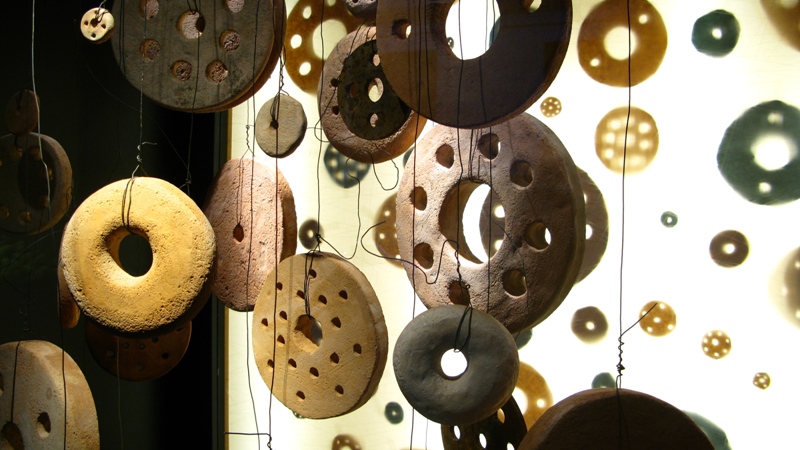
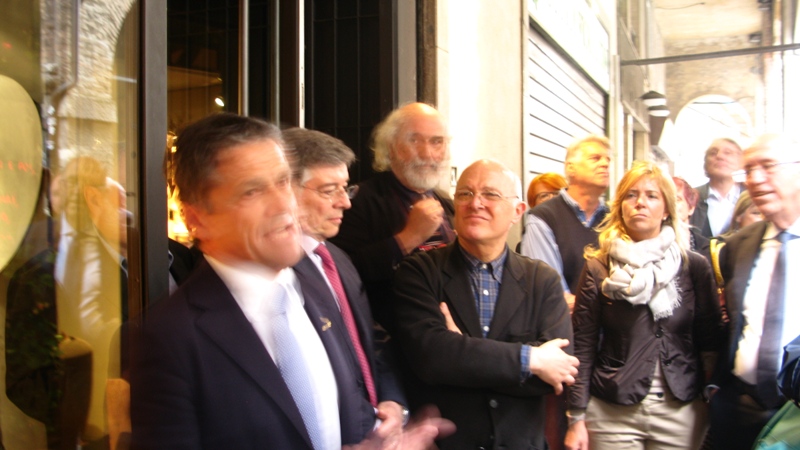
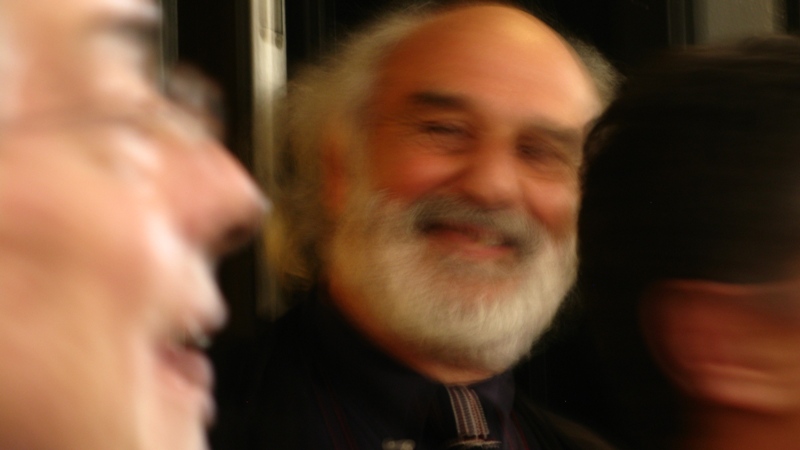
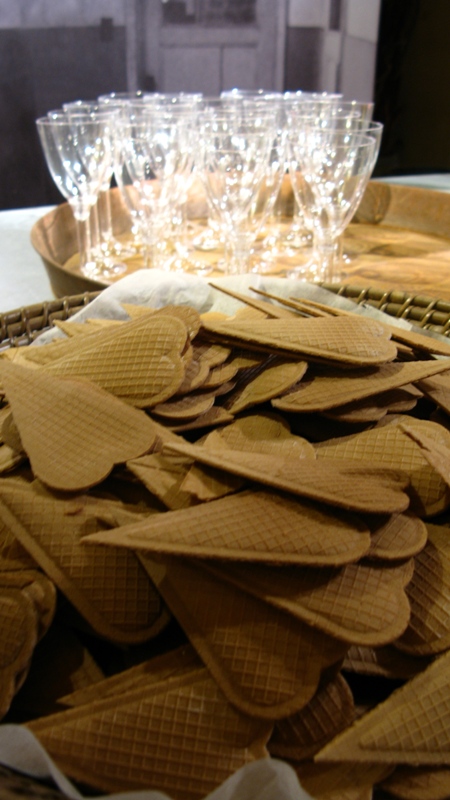
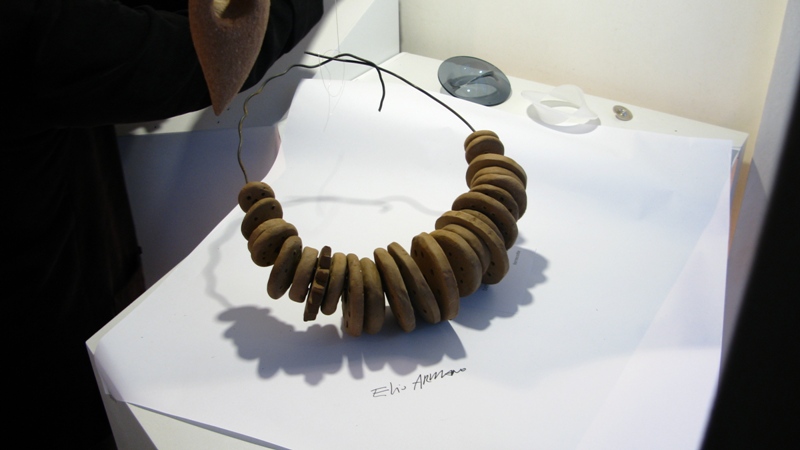
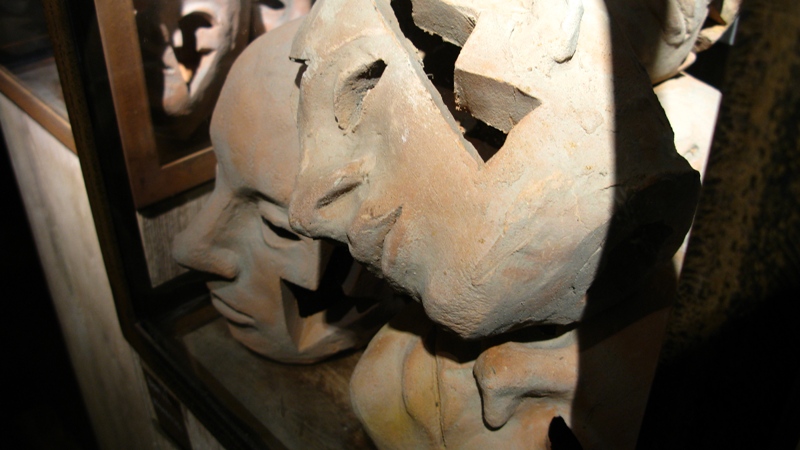
Here are some pictures taken last Friday evening, when a show by the sculptor Elio Armano graced the locations of ALBERO DEI FIORI, MARIJKE STUDIO – Fine jewellery and IVO MILAN.
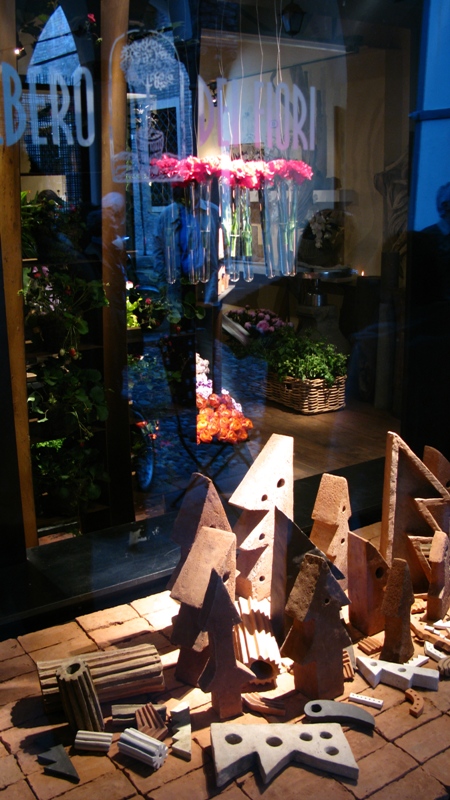
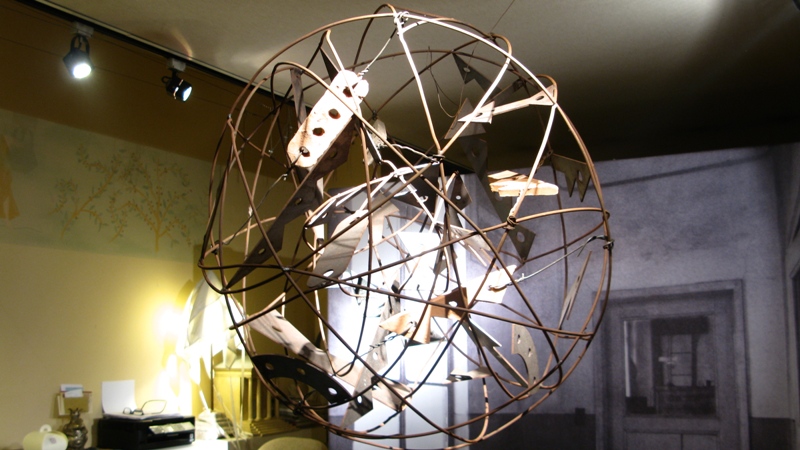
The three different shops are not simply linked by their locations next to the intersection of Via Boccalerie and Via Santa Lucia, but mainly by their close professional affinity. MARJIKE STUDIO and its showcase display avant-garde contemporary art jewellery,
ALBERO DEI FIORI has endless and suggestive flower arrangements that colour and perfume the narrow porticoes of the street
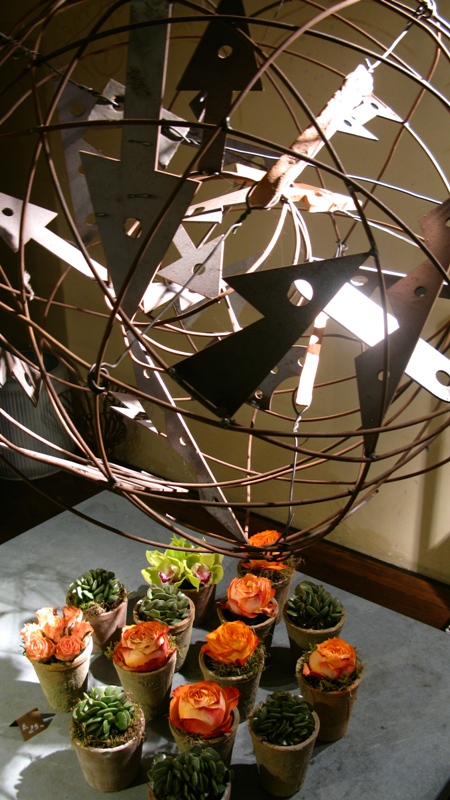
and the shops nearby.
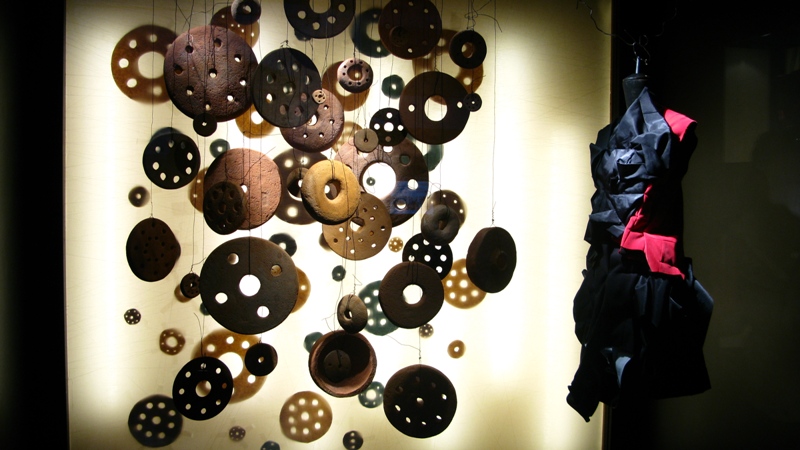
These three different shops are united by friendship and, on this occasion, by the works of Elio Armano. The recent birthday celebration for Simonetta (Albero dei Fiori) provided an excellent chance to get together and play host to as well as work around a shared idea of ​​beauty… a festive event that we celebrated in the style ​​that we adore and that exemplifies us the most!
Photographs by Sari Milan

Read More
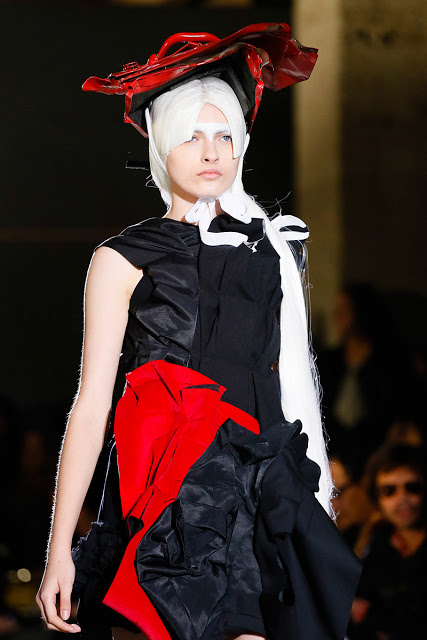
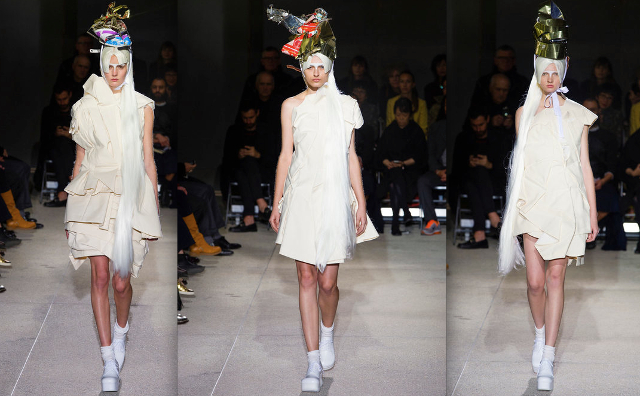
The first impression one gets from Rei Kawakubo’s summer collection is that it is suited for the Tin Man from Frank L. Baum’s famous book, The Wizard of Oz. This impression is highlighted by eccentric tin hats sitting atop the heads of models with emotionless faces, whose make-up seems like it comes from another dimension, or another planet.

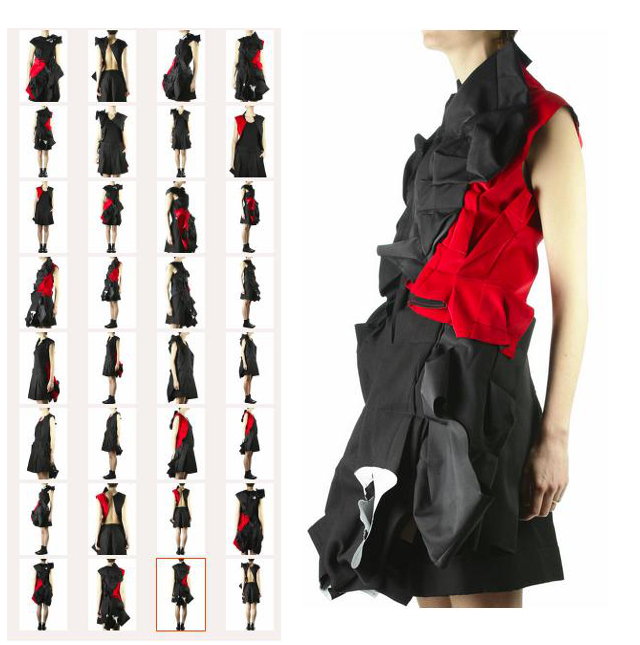
The daring genius of Comme des Garçons’ designer outlines the future for the Spring/Summer 2013 collection. The sculptural metal headdresses set the stage to present he conceptual value of the clothes in which each piece of clothing acts as a means to give form to something else in a veritable fashion meta-language. As simplified and superficial the message of the system may be, the more complex and structured Rei Kawakubo‘s proposals become.

Suits, vests, jackets and skirts made up of scraps and the leftover materials of other clothing, are sewn, layered and reassembled into contours that take shape with the extraordinary freedom of expression and incomparable skill of the clothier. Expertly crafted spiral lines, chaotic and yet balanced between solids and voids yield the profiles of T-shirts, jacket sleeves or surplus fabric that is then folded and crumpled to provide crafted, poetic origami effects.

Rei Kawakubo‘s exuberant creativity tailors pieces to be worn and interpreted according to personal preferences and feelings, making use of an aesthetic model of the most advanced contemporary artistic expressions, whose shape and structural uncertainty leave her work continuously open to  imagination!

and Sari, the photographer…


Read More

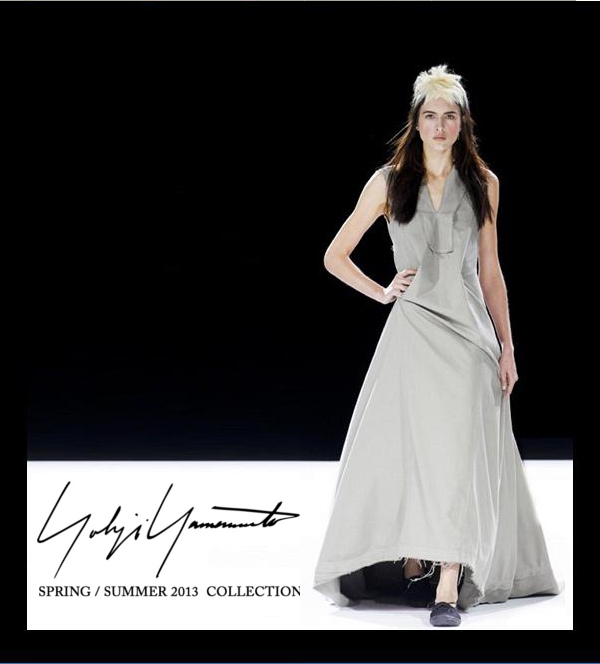
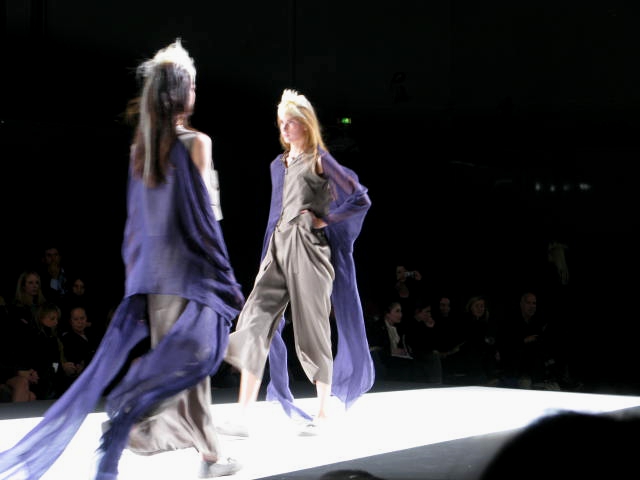
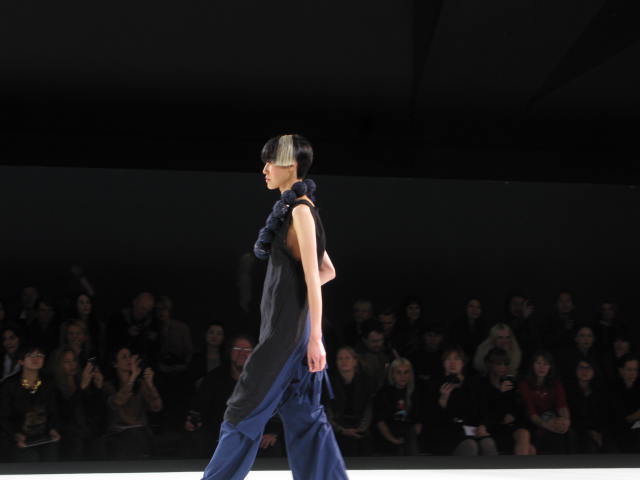
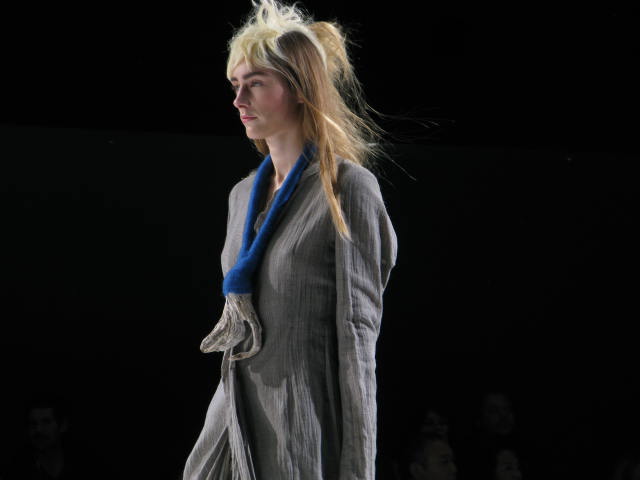
During an interview given shortly before the Spring/Summer 2013 fashion show, Yohji Yamamoto said that he was not in the least interested in producing recognizable clothing styles bearing his name every season, but rather that he wished to approach the creative process as a new challenge each and every time, as an opportunity to try new things and break free of repetitive ideas. The obvious risk of getting it wrong and not being understood by his audience, if seen for just what it is and why, would not be so important to him.

His statement seems to anticipate a spring and summer collection that steers away from the intensely poetic and familiar styles that Yohji has accustomed his fans to in order to make way for something fresh and unexpected.

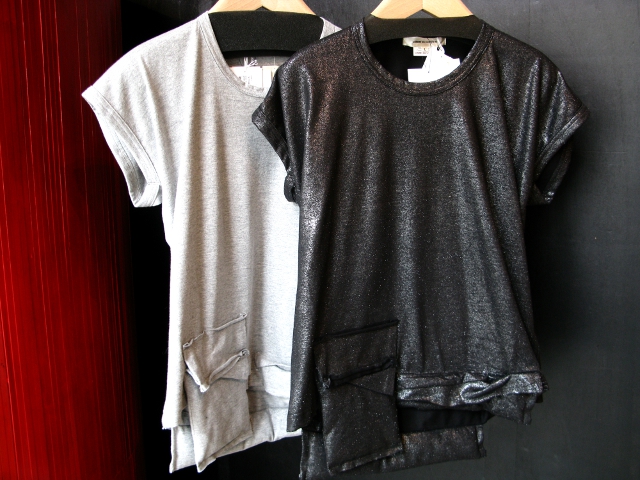
When taken in the context of the current season’s fashions, the words of the great Japanese master seem to be more of a confession from an artist observing his own creative powers. Despite what he said his creations possess the easily-recognizable quality features that have always identified his work. Asymmetries, unfinished profiles, inventive volumes, cuts and stitching that are much closer to the meticulous slowness of high fashion than serial prêt-à-porter approximations, make up an ambitious and spectacular Spring/Summer collection.


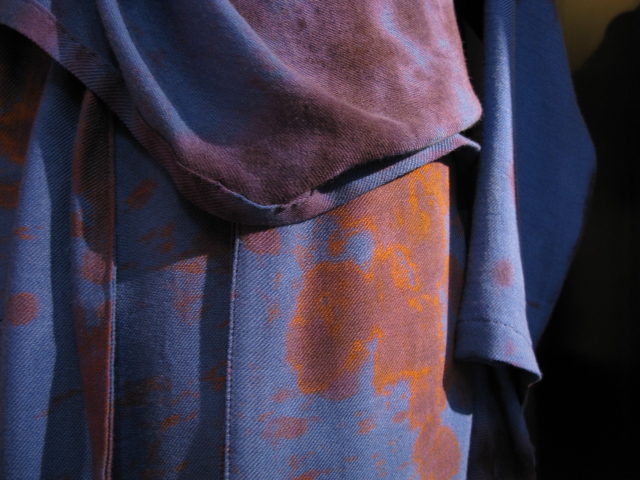
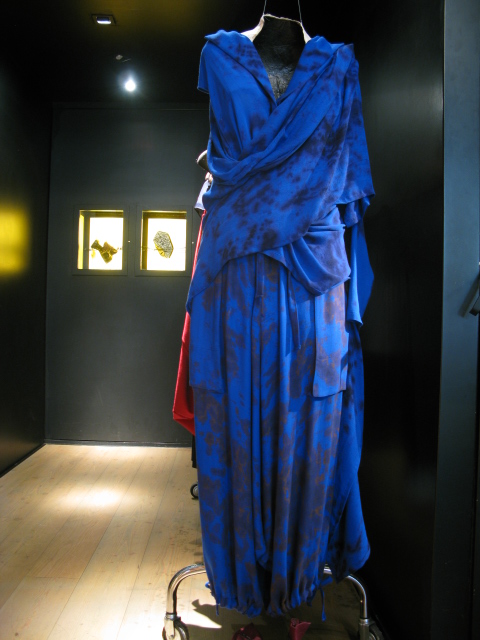
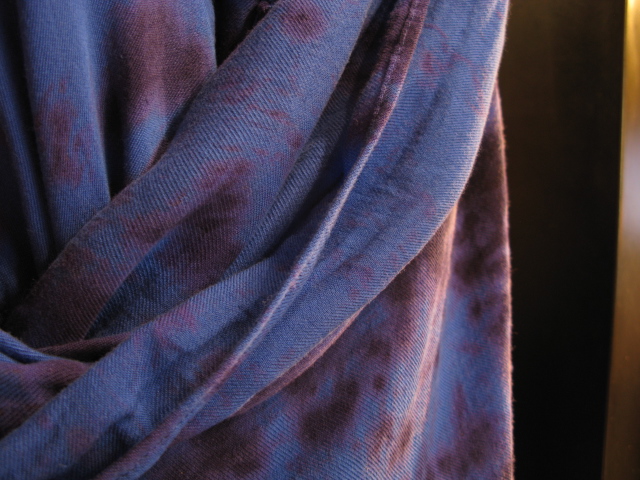
The working of the fabric and the unique dyes make use of the most ancient and rare of  traditional Japanese methods that have remained unaltered in the few workshops able to pass on a cultural heritage that is in danger of being lost. Unheard of colours, such as indanthrene blue (made by hand then, dyed and faded using a slow bleeding process that imbues the colour with a unique metallic-lava effect), intersect lines with avant-garde designs.


The dragons on the printed silks pay explicit homage to China and offer a personal invitation to immediate economic and cultural reconciliation.


Even the Western expression “sexy“, mediated by a more sober and respectful intellectualism, joins in the design vocabulary of a modern Yohji Yamamoto, aware that cultures are getting closer, in a syncretism that is impossible to ignore. With the nimbleness of a Bolshoi dancer, the masterful artist moves deftly between tradition and modernity, East and West, displaying with all his expert skill, how a philosopher-craftsman designs clothes.

Pictures by Sari Milan

Read More
“[W]e find beauty not in the thing itself but in the patterns of shadows, the light and the darkness, that one thing against another creates”.

Junichiro TanizakiIn Praise of Shadows

It is no coincidence that at the last Salone del Mobile in Milan, these words of Tanizaki accompanied the lighting project In-Ei (Japanese for shadow, shading, nuance) designed by Issey Miyake and his Reality Lab and built by Artemide, which is now permanently housed in the Design section of the MoMa in New York.

Rooted in traditional Japanese aesthetics, the art of light and shadow has in fact always been at the centre of the technological and conceptual experimentation of Maison Issey Miyake. This shows respect for the heritage of the past that is comparable only to the same willingness to push the limits set by the material fabric.

Tania Braukamper of Fashionising.com, using an effective metaphor dedicated to the collection during the season, said:

Heritage is carried through, like a flame lit in the past that helps light the future: but it doesn’t dictate.


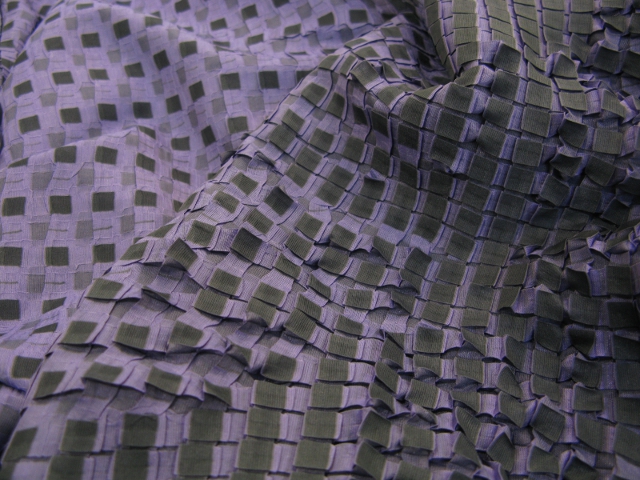
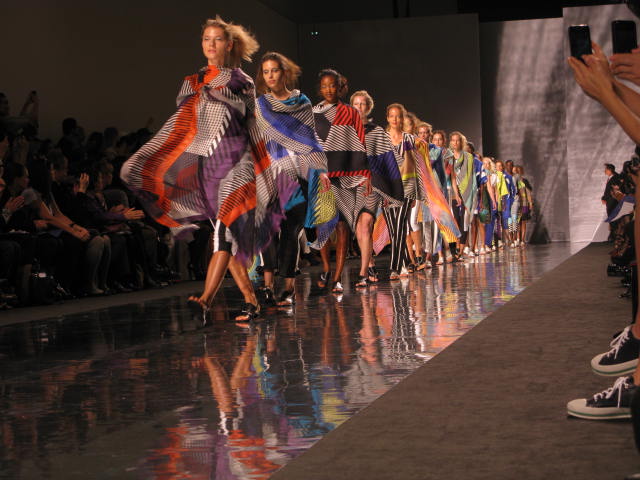
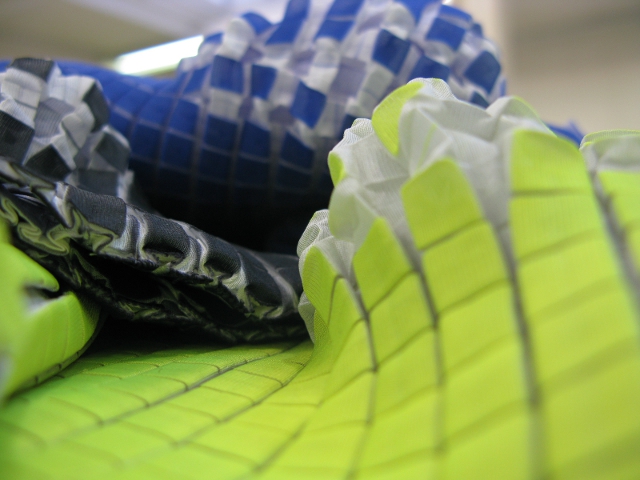
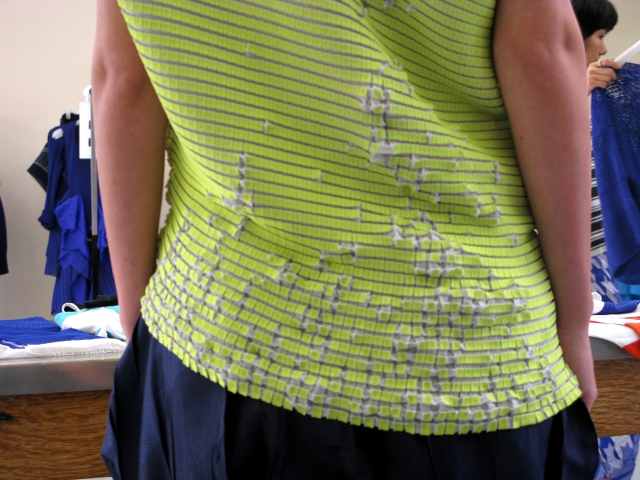
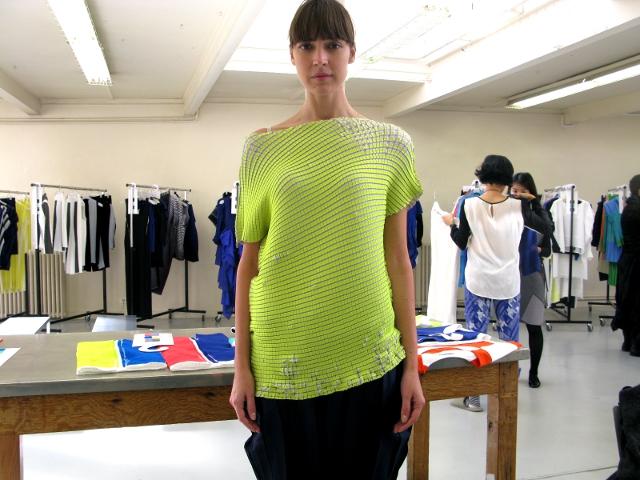
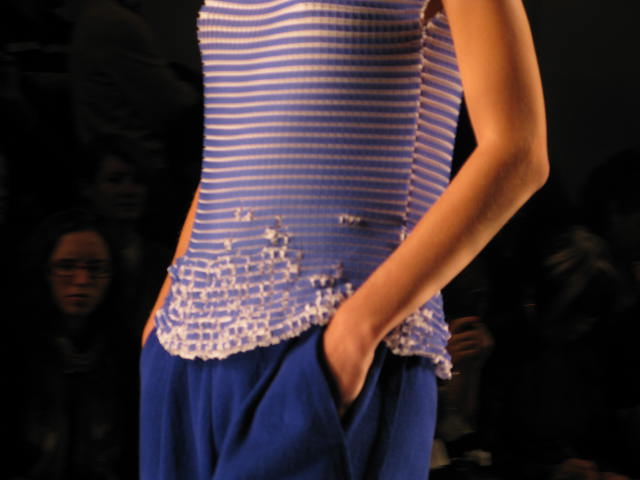
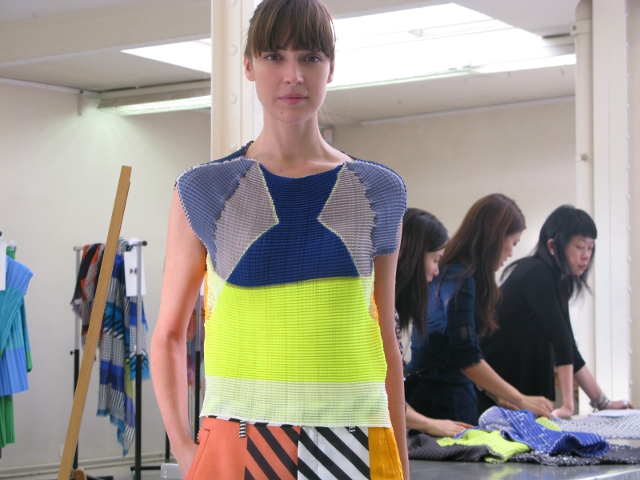
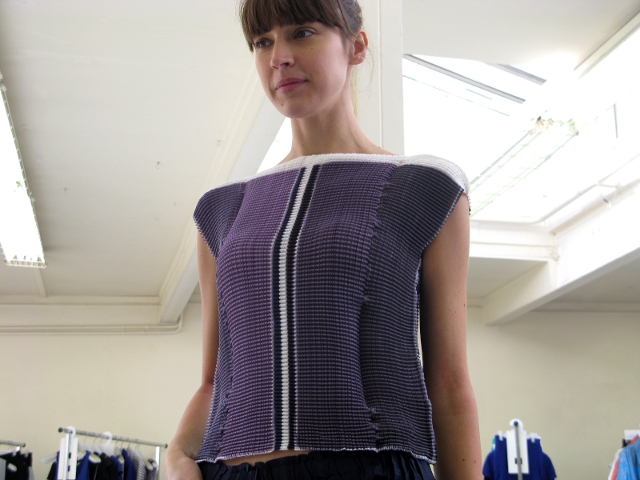
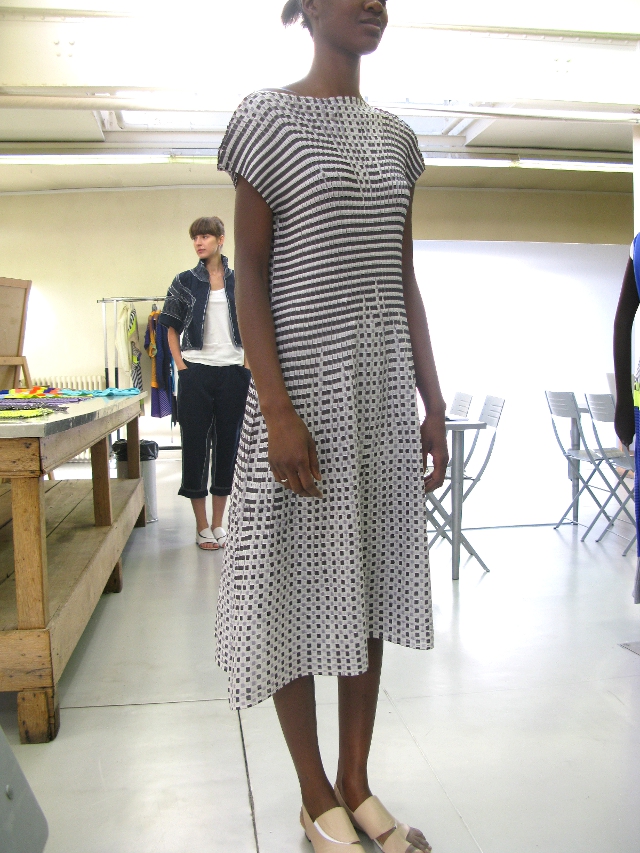
Designed by Yoshiyuki Miyamae, the creative director of the Maison, the Spring/Summer 2013 collection is a triumph of visual effects, lights, shadows and new three-dimensional micro-inlays. Geometric patterns, checks and diagonals serve as a link between creativity and mathematical analysis.

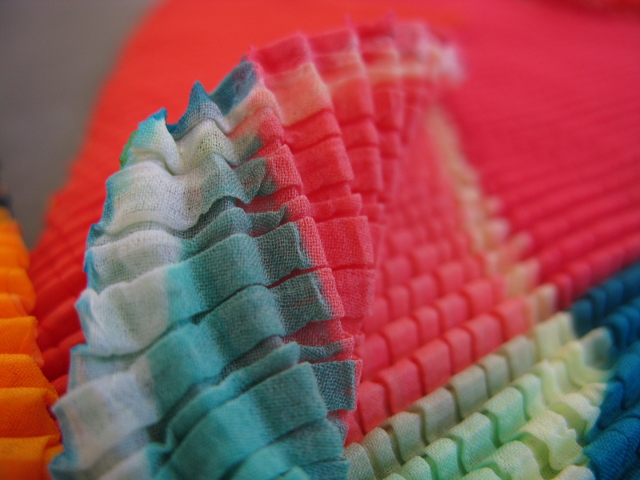
The pleats are enhanced, creating visual effects in which the perfection of the geometric formula applied to the fabric simulates the aesthetic imperfection (wabi-sabi) of deteriorating objects.


Shades of colour and small steps staggered in a grid effect transform the precision into fun, engaging the gaze in an amazement and wonder that only things never seen before can offer. Knits in continual metamorphosis as they react to the physical movement of the wearer or t-shirts and clothes made using extremely complicated techniques of casting and separating polyester, which can be seen from the moulded perimeter of contrasting colour.


Energetic hues celebrate a collection so exuberant and futuristic that it radiates energy and joy both to those who see and those who wear. Another generous lesson from Miyake!

Photos by  Sari Milan

Read More
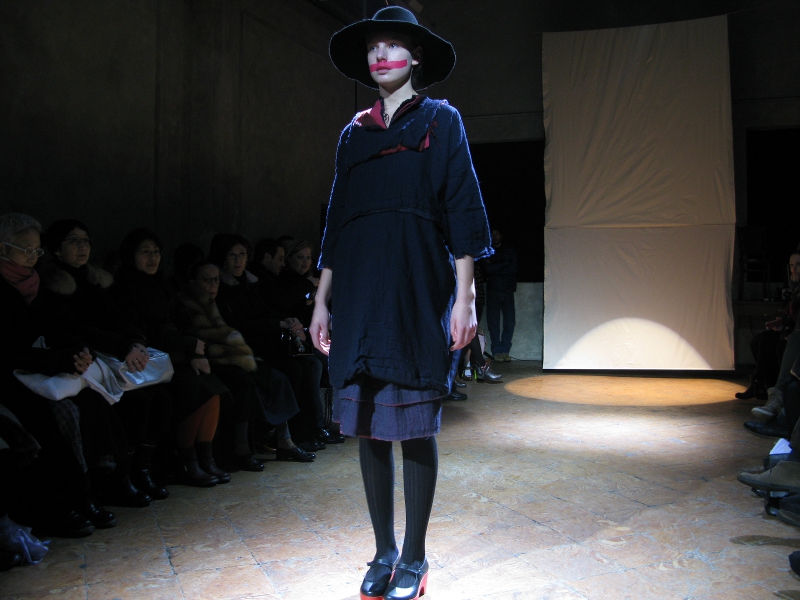
From Milan, our simple and personal reportage about Fall-Winter 2013-2014 Daniela Gregis collection…good show!!!

Read More