
www.ivomilan.it

   IVO MILAN – Radical Fashion Blog

Archive
Fashion

Norwegian Rain overcoat waterproof shop online ivomilan

It’s Norway the homeland of a brand that, even in its name, reveals without surprises its undoubted roots: Norwegian Rain!

An unisex product, which in the apparent classicism of the forms combines basic features for both cold and rainy climates. The canvases, strictly made of recycled Japanese polyester, are simulating the typical texture of traditional materials, such as wool gabardine, and do not reveal highly sophisticated and modern properties, such as the inner diaphragm, which guarantees to each raincoat to be both breathable and waterproof. The sealed seams prevent the water from intruding into the fearsome joints, allowing a peaceful freedom, regardless the worst downpours.

It lies precisely in this discrete translation of the high-tech garment, usually characterized by colored zippers or improbable reflective graphics and relegated to the most technical sportswear sector, in an elegant outwear, the most fascinating aspect of this Norwegian reality.

Is the modernity of a northern European language sensitive to aesthetics, grateful to the Japanese formal knowledge which is easily traced in the ongoing article, the Raincho, a garment halfway between the cape and the development of the kimono. Contribute to the complexity of the calm lines, details such as generous interior pockets, with the purpose of sheltering the vulnerable accessories, from wallets to phones, adjustable caps in amplitude with composed webbing and buttons, small panels that can replace bulky scarves, concealed zip pockets, always useful to not soak the necessary and in case you want to give up the use of the bag.

Norwegian Rain faces the everyday life with real prospects, but also with an original determination to integrate with the most complex and creative proposals of the great contemporary designers!
Norwegian Rain overcoat waterproof shop online ivomilan

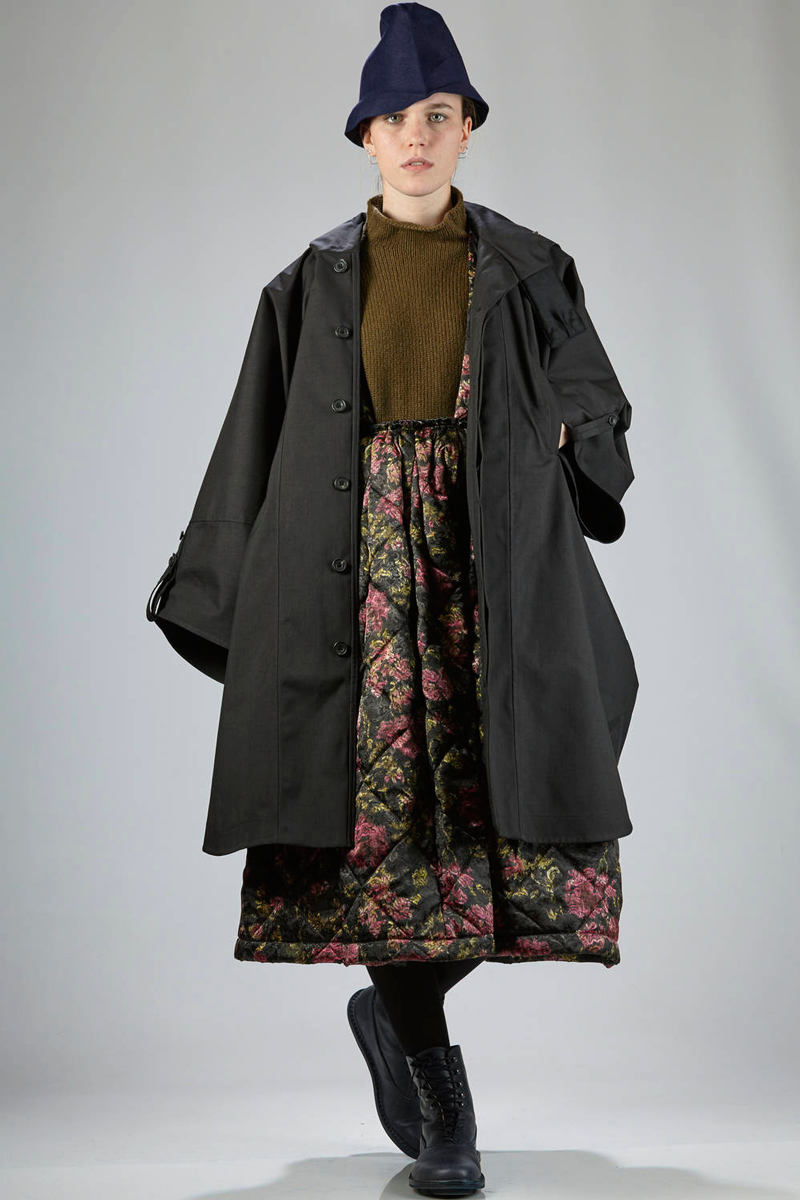
Wide Norwegian Rain waterproof coat with the shape of a cape in recycled polyester cloth, lined in viscose and polyester cloth

Hip-lenght A punto B sweater in cashmere cloth

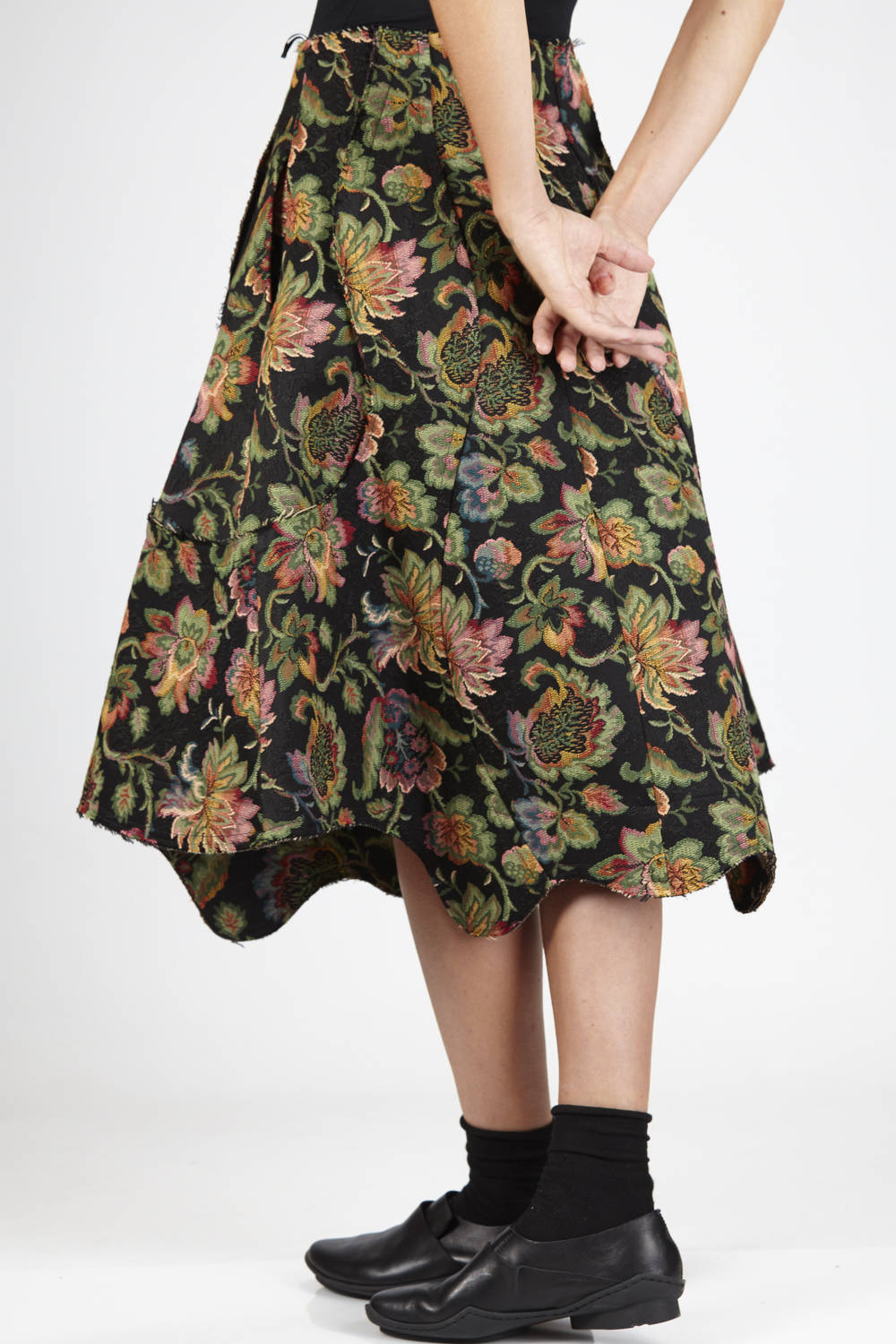
Wide lined Comme des Garçons skirt in polyester matelassè with floral tapestry

Mascha ‘classic Trippen’ ankle boot in cowhide leather

Altalen hat in felt 100% lapin
Norwegian Rain overcoat waterproof shop online ivo milan

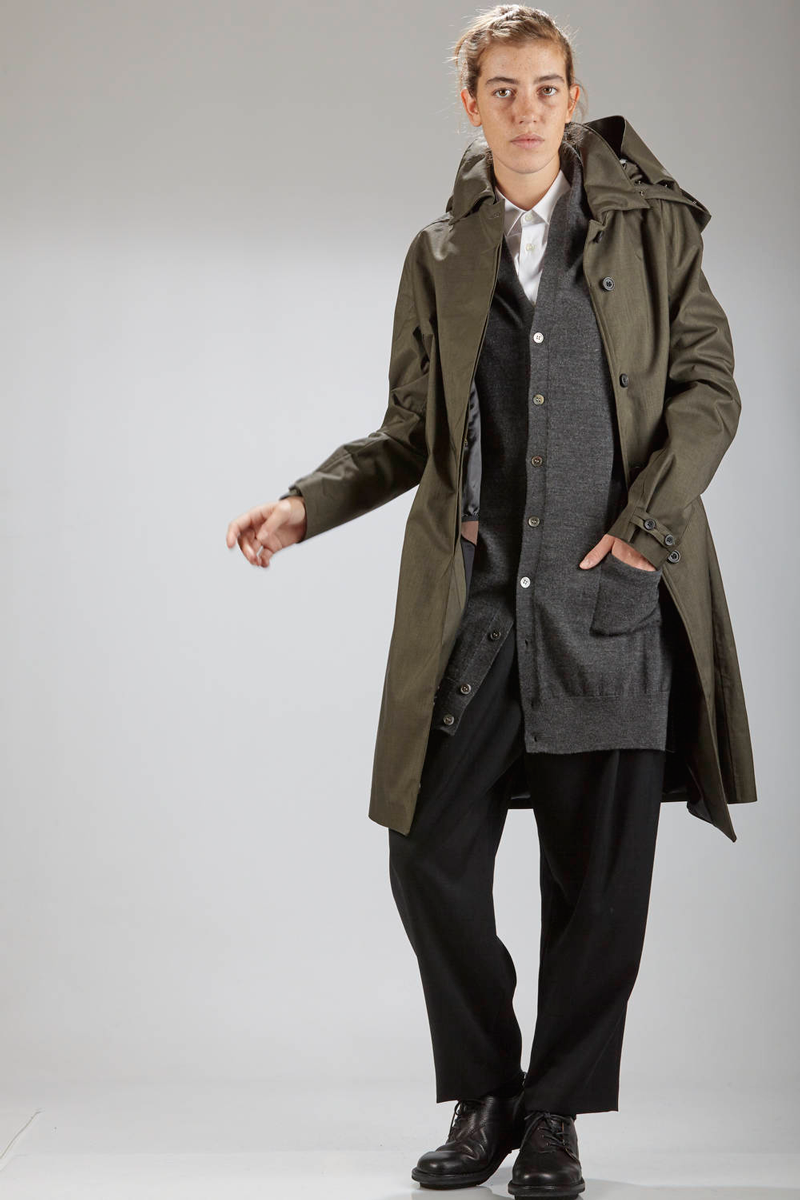
Knee-lenght Norwegian Rain waterproof coat in recycled cloth lined in viscose and polyester cloth

Long and wide Boboutic cardigan in polyamide and extra fine merinos wool cloth worked with irregular knots

Classic Comme des Garçons man shirt in cotton poplin

Classic Comme des Garçons – Comme des Garçons man trousers in wool gabardine, cupro lined

Dippy Trippen Shoe in smooth cowhide leather
Norwegian Rain overcoat waterproof shop online ivomilan

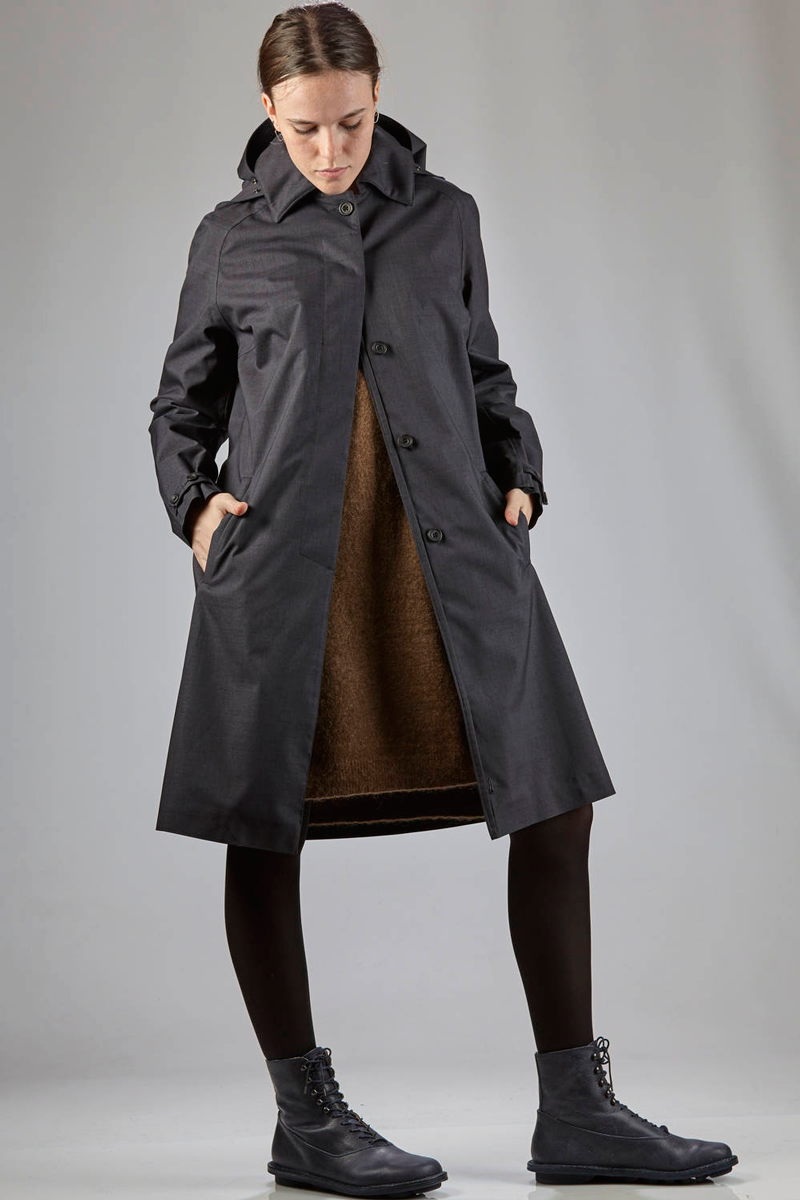
Knee-lenght Norwegian Rain waterproof coat in recycled polyester cloth, lined in viscose and polyester cloth

Zucca longuette dress in stretch, nylon and alpaca

Mascha ‘classic Trippen’ ankle boot in cowhide leather


Read More
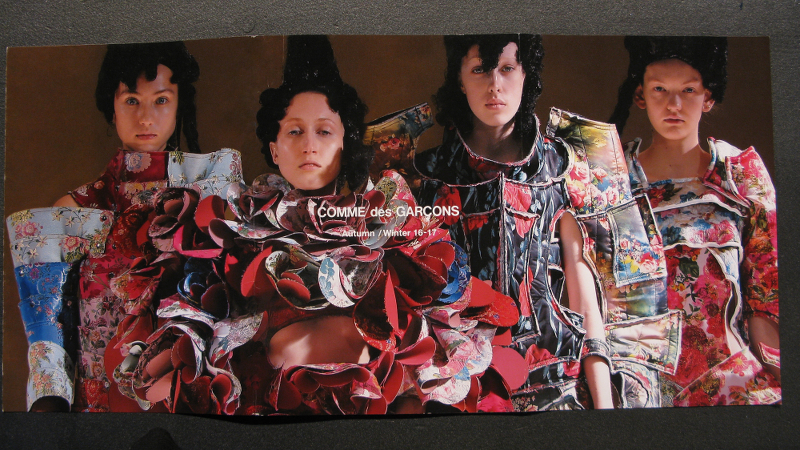
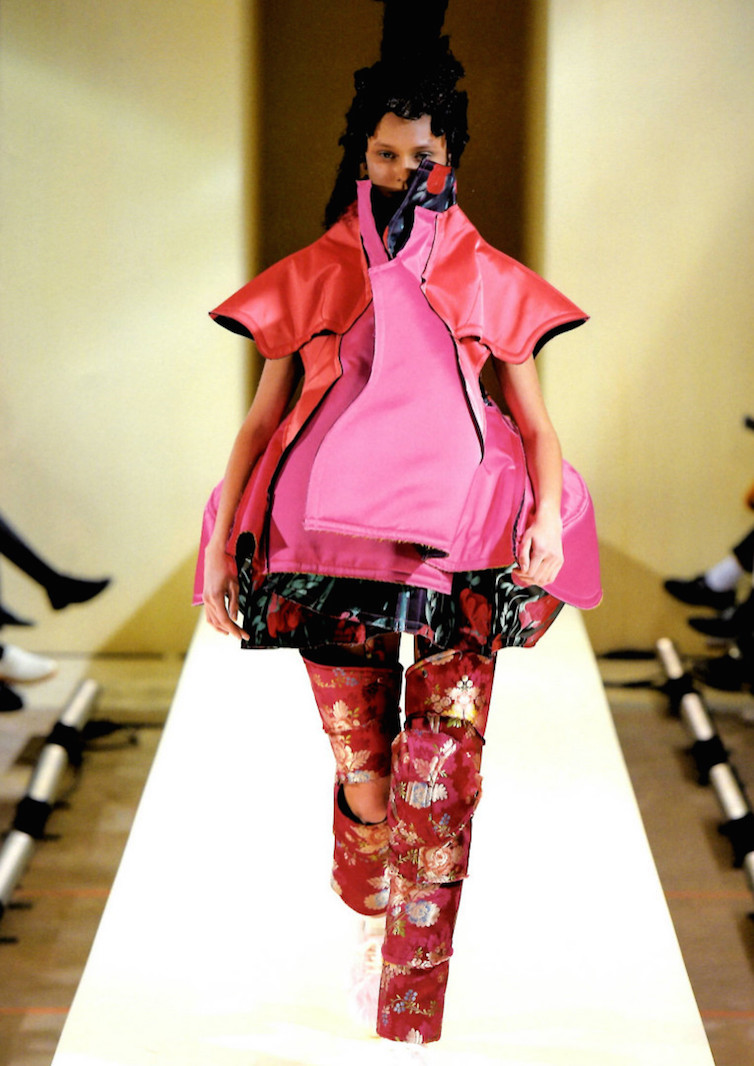
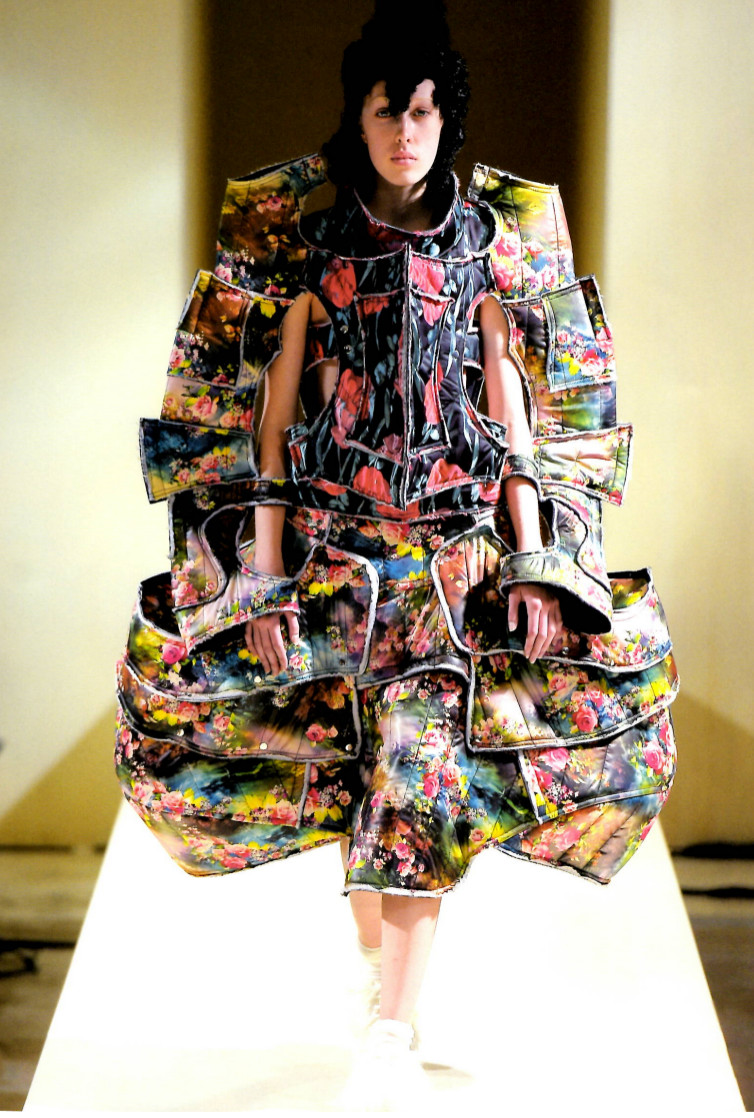
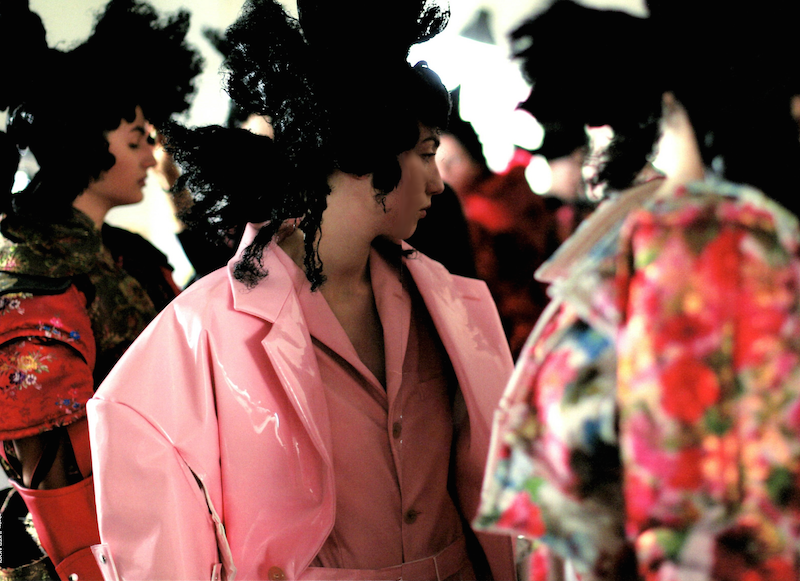
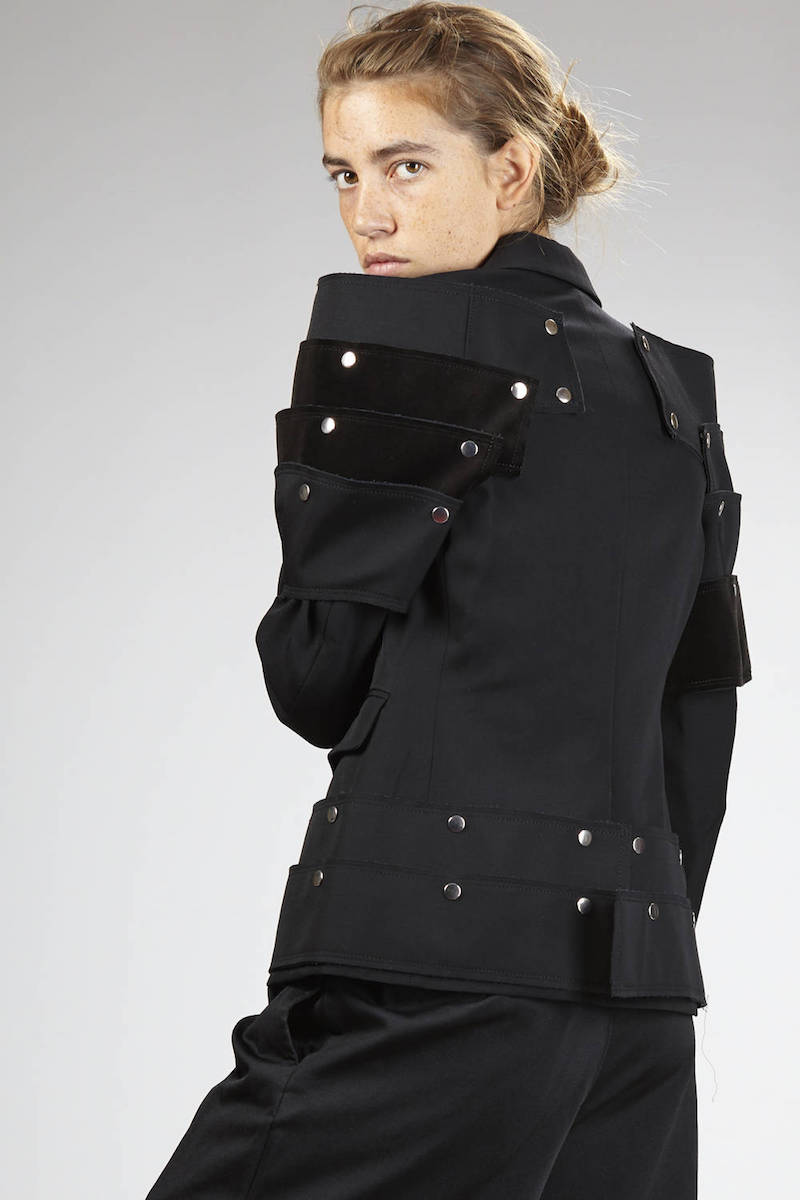
For several years now Rei Kawakubo, in Comme des Garçons art, has exclusively dedicated to clues, atmospheres and evocation her own representation of the ongoing collection. Emancipated of any kind of obligation towards the expectations of the global audience, the Japanese designer delights with her exhibitions that are closer to the art world rather than the sector of belonging.  The runway is not dedicated to garments but to textile provocations, architectonic structures that surround the sacrificed bodies of models lend to carry oversized sculptures, deliberately cumbersome and disproportionate compared to the available space.

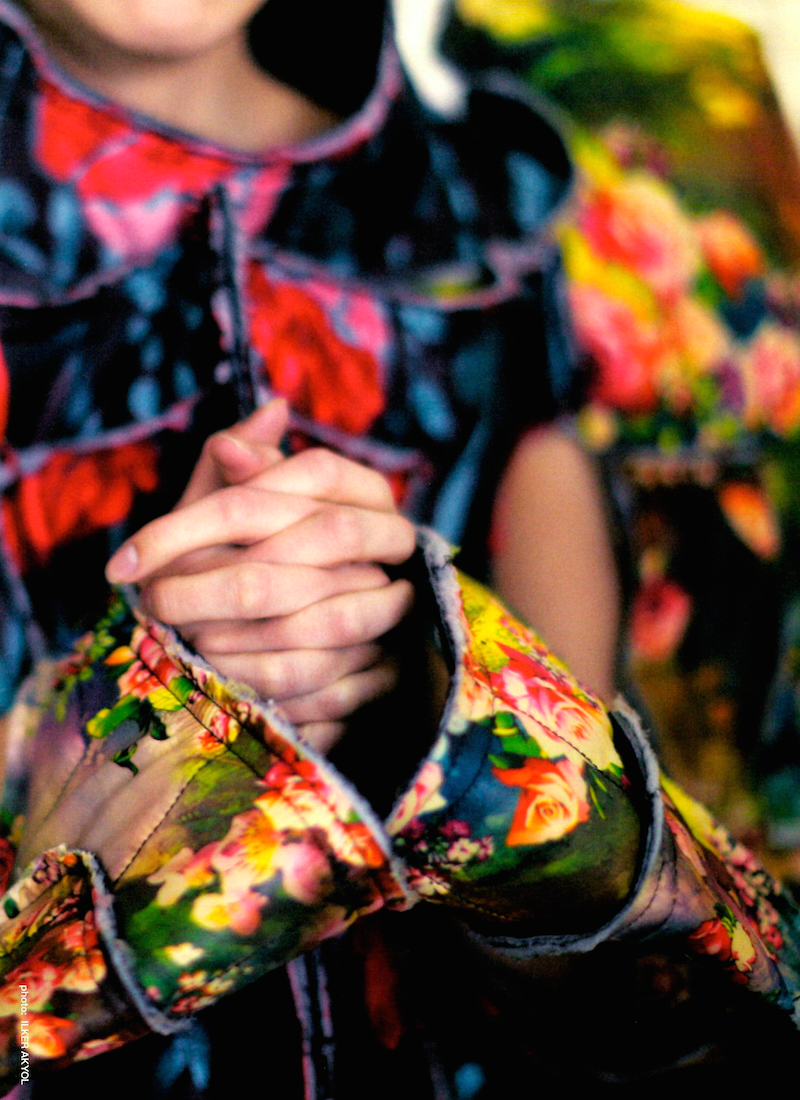
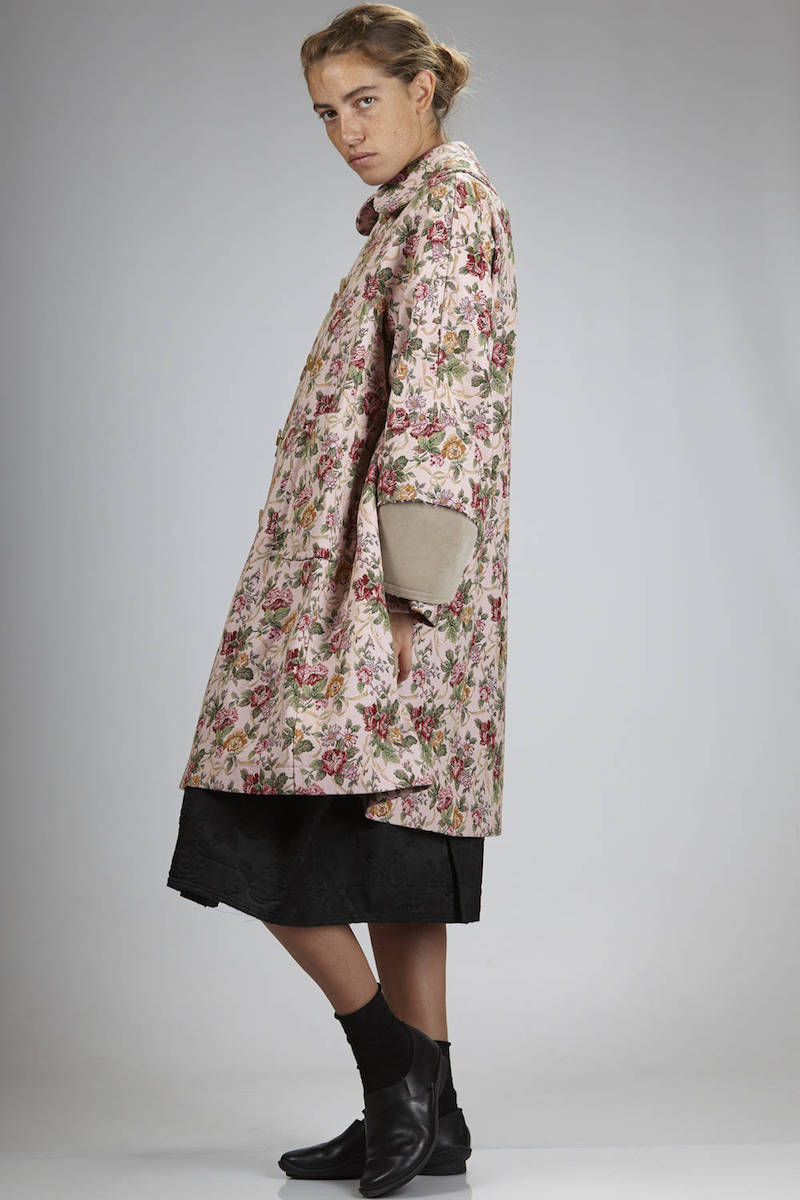
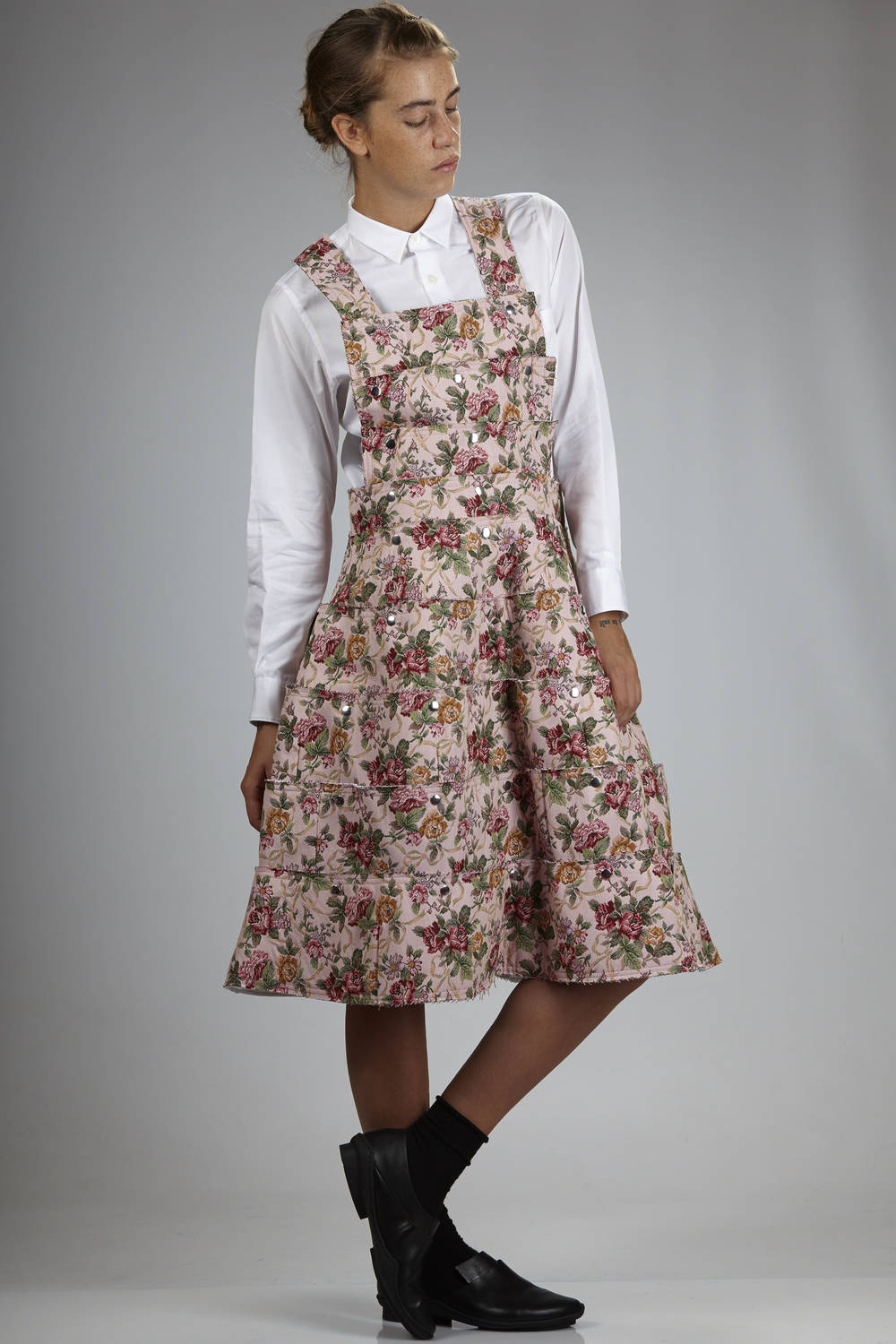
Impossible not to ask yourself why or what is the plausible message content in this artistic drift. Maybe a self-granted freedom of expression, against the monotonous limits forced by the reality of the female body, or a subtle provocation versus a star-system hat becomes increasingly uncritical and exhibitionist. Certainly the dialog has not the purpose of selling. The pared garments are indeed extraordinary pieces of contemporary art that belong in museums or wealthy collectors. The runway show is an idea, a suggestion of the inspiring motif of the season which will be found later translated and much wearable in the development in the show-room. For Autumn/Winter 2016-2017 we witness then poetic collage of antique fabrics, floral tapestries that catapult the public in the XVIII century, the Age of Enlightenment, the rematch of reason over ignorance and superstition.

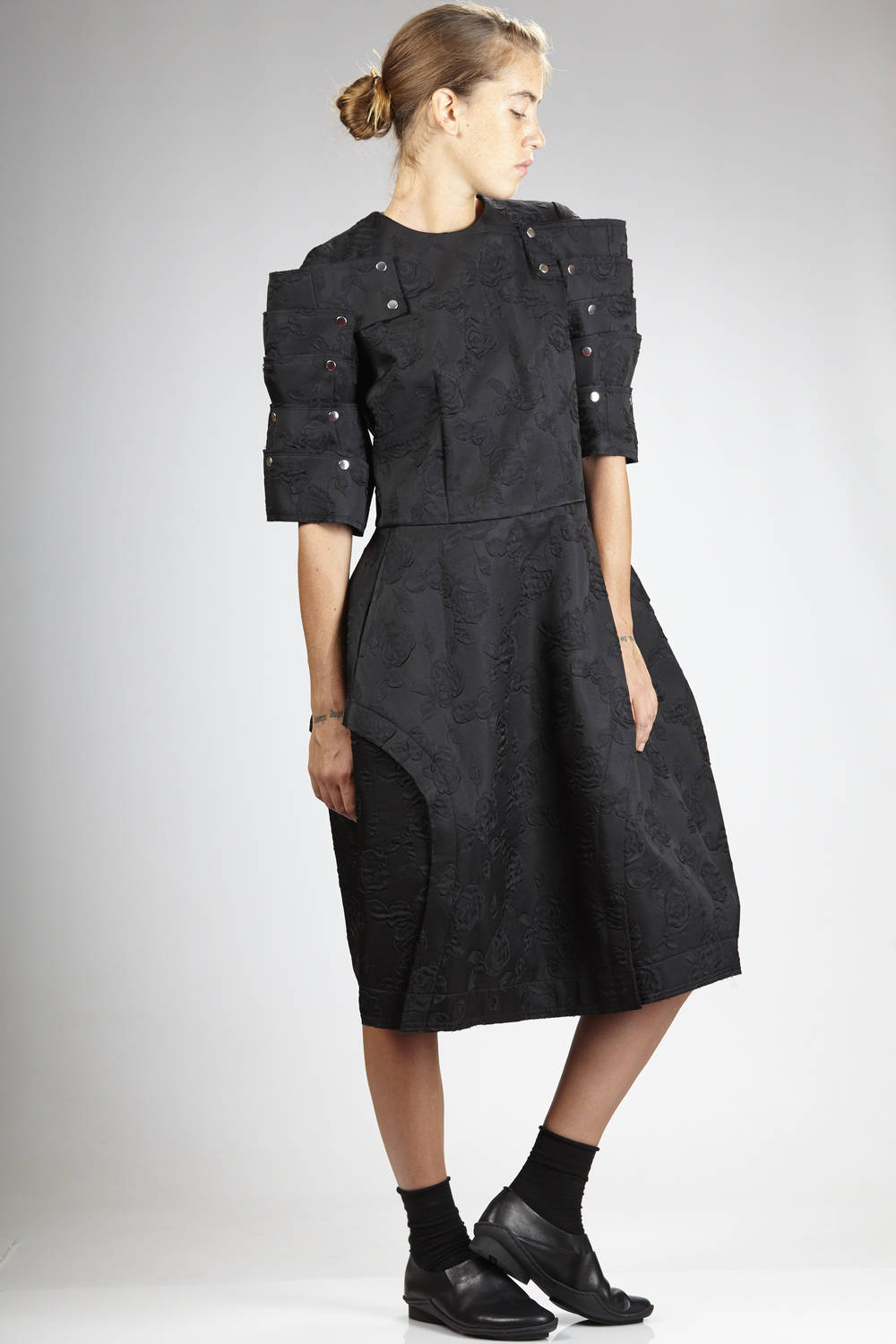
Rei Kawakubo, however, is not nostalgic and well-mannered, the collage is held together by metal snap buttons, by cuts and raw seams, diagonals that fragment the decorative harmony of time, implying elements defined by herself  as Punk, in the most provocative meaning of the term.

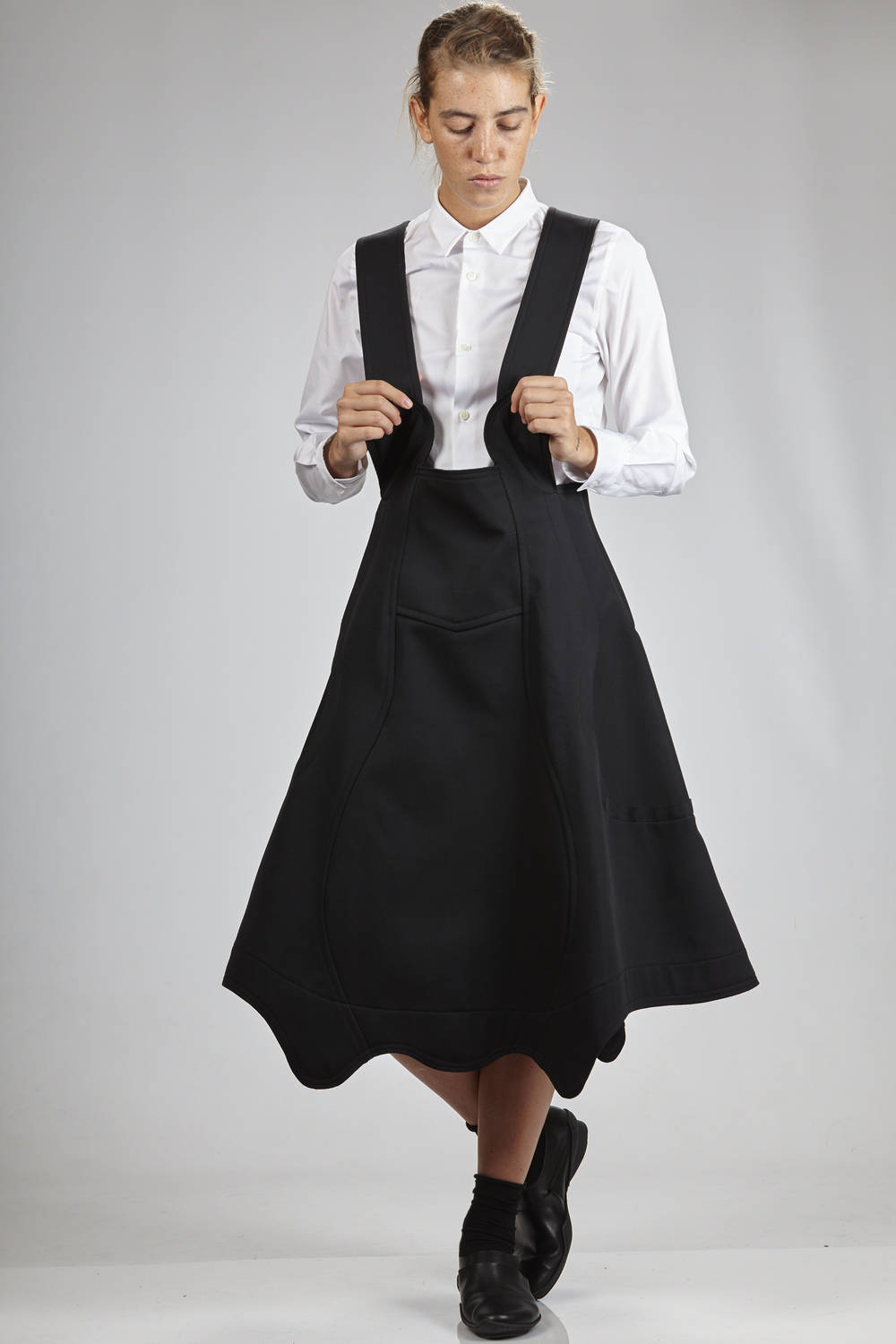
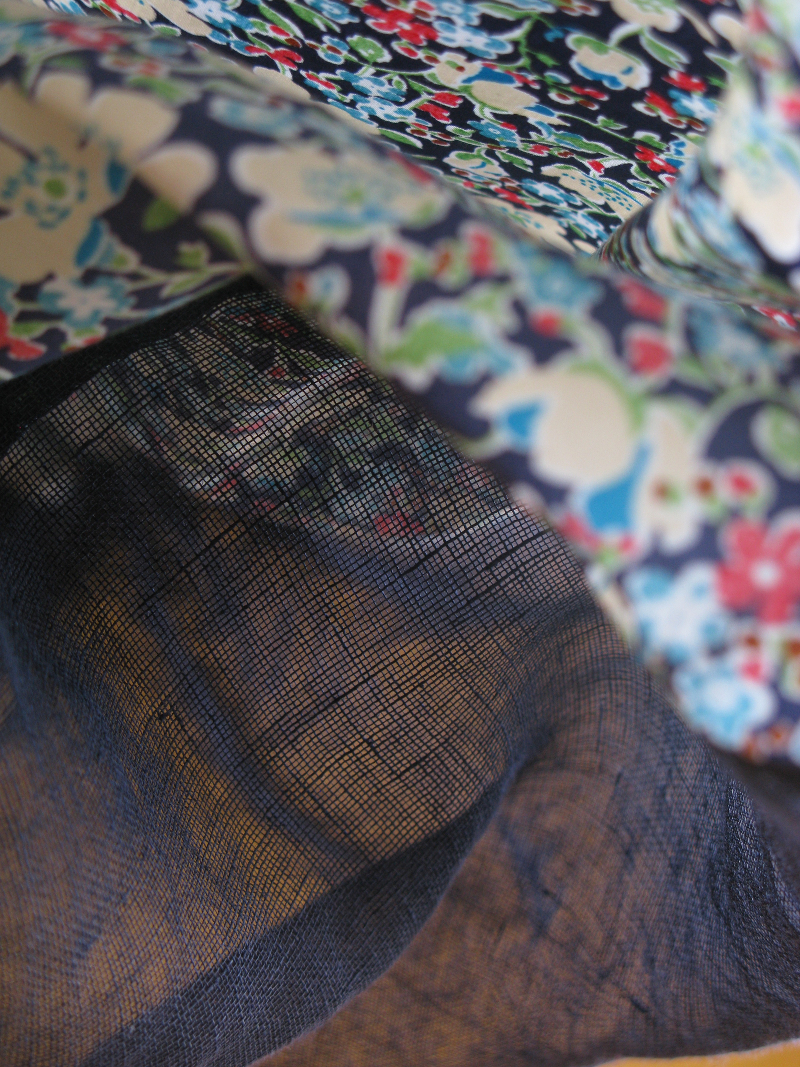
Synthetic leather, studs, constant asymmetries  and details that can be observed in the motives sewed on skirts, in the curvatures of the nodal points of the joints, reinforced as if they were textile armatures. And extensions, adjustable connecting rings, a flexibility in disassembling and reassembling, a continuously adjustable area in lengths and a delicate balance between order and disorder. It is not said that we can return to the original reconstruction, that many the alternatives are. Modernity and tradition, they also alternate in the processing, the ancient Japanese knowing collaborates with the most daring experimentations of the multi-layerd polyester cloth with rayon, cupro and cotton panels, in an encounter that observes how the material determinants and imposes the final shape of the piece, whether is a jacket, skirt or coat.

Needless to assume how Rei Kawakubo, in preparing an original and personal temporal syncretism, punk and Enlightenment, thinks of women determined to stay in their own time with the vigor and exuberance of who has a critical and imaginative independency

Read More
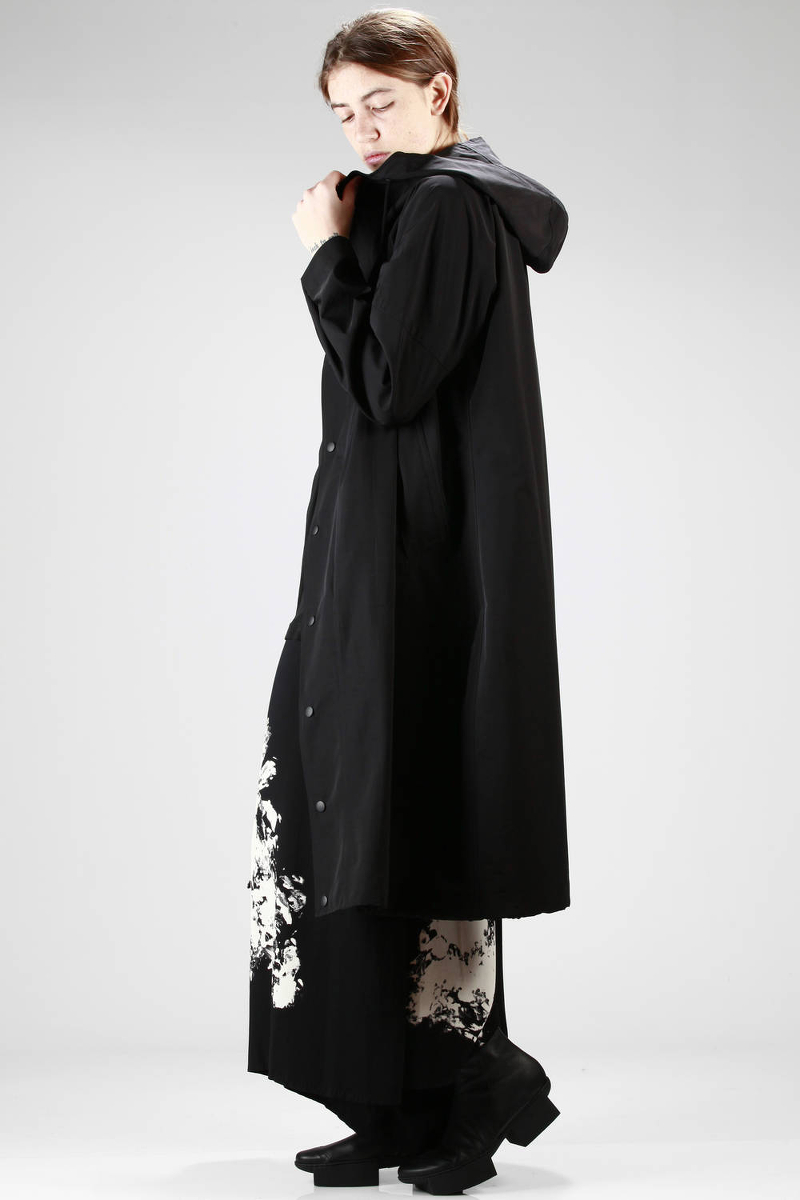
Y's Yohji Yamamoto Spring/Summer 2016

Maybe not everyone knows that before coming out with the line that now bears his full name, Yohji Yamamoto made his debut in 1972 with the Y’s. A possessive case strongly indicative of the paternity and affection feelings of the well-known Japanese designer towards his work and his young performance.

Y’s, in the true sense of ‘it belongs to Yohji’, could not then be considered today a second line, but instead an everyday alternative of the bolder stylistic codes reserved to the runway collections.

It is not a rare event that, in the wide Paris showroom in Rue Saint Martin, we find us facing the spoiler of choice between a fèmme piece or its Y’s similar, reflecting from time to time if privilege a more abstract and mature feminine interpretation or a more immature and practical one.

The final decision is usually commit to the more precise correspondence between shape, colour and composition, with the world evoked by the garment in question.

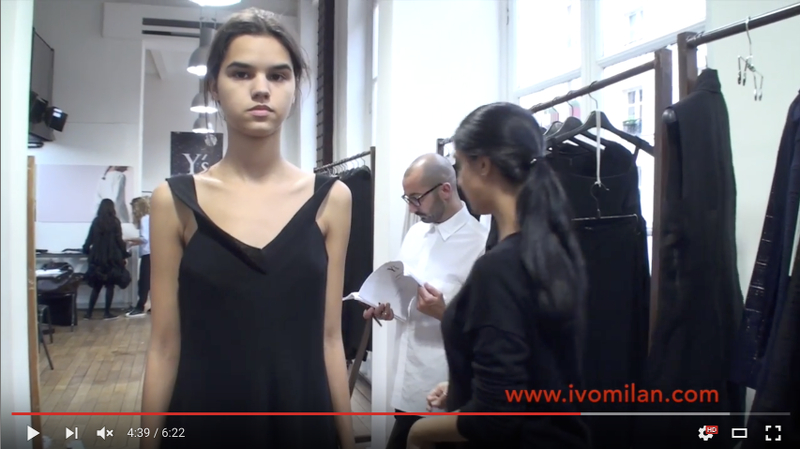
Y's Yohji Yamamoto Spring/Summer 2016 show-room

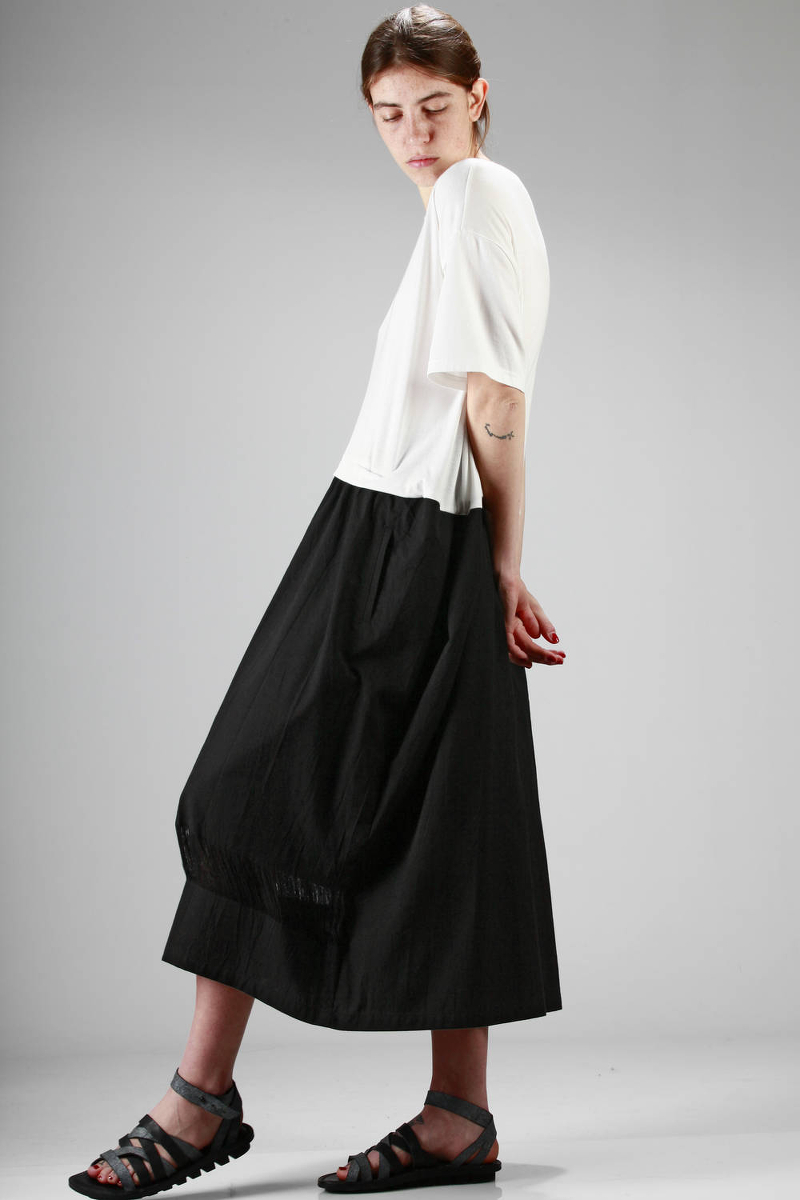
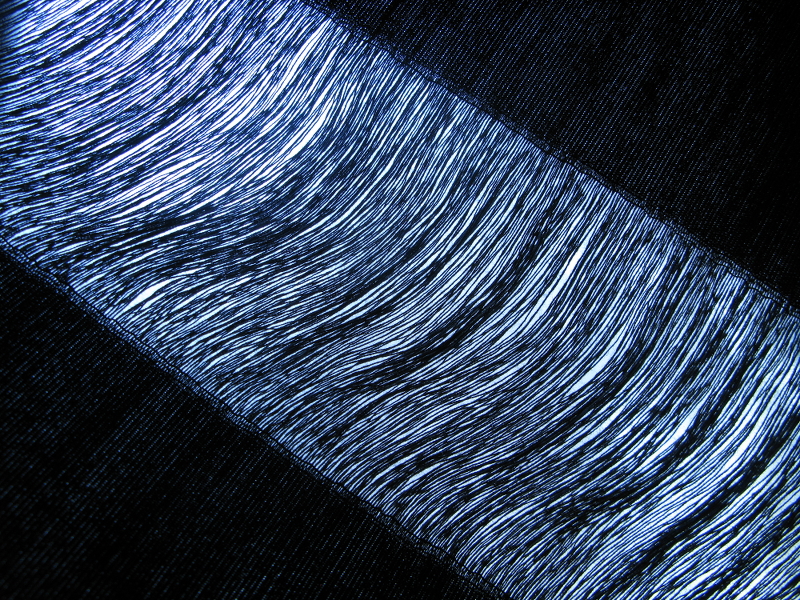
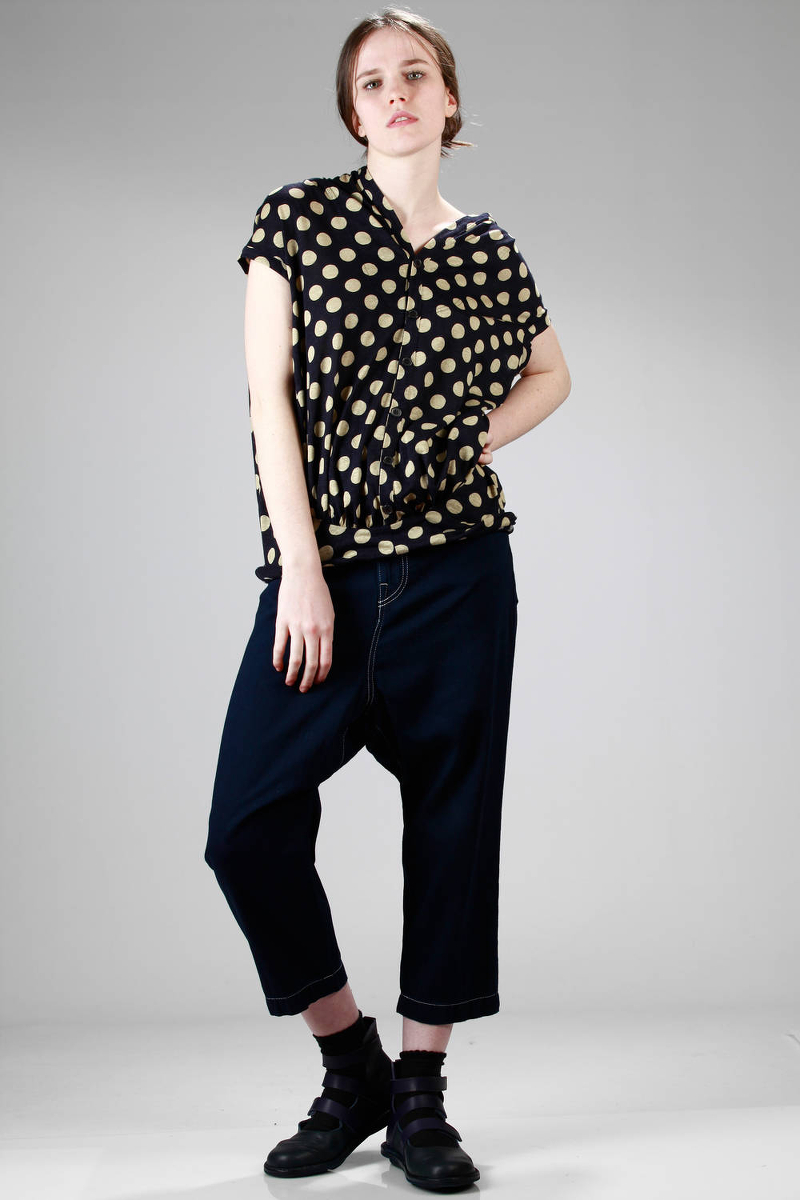
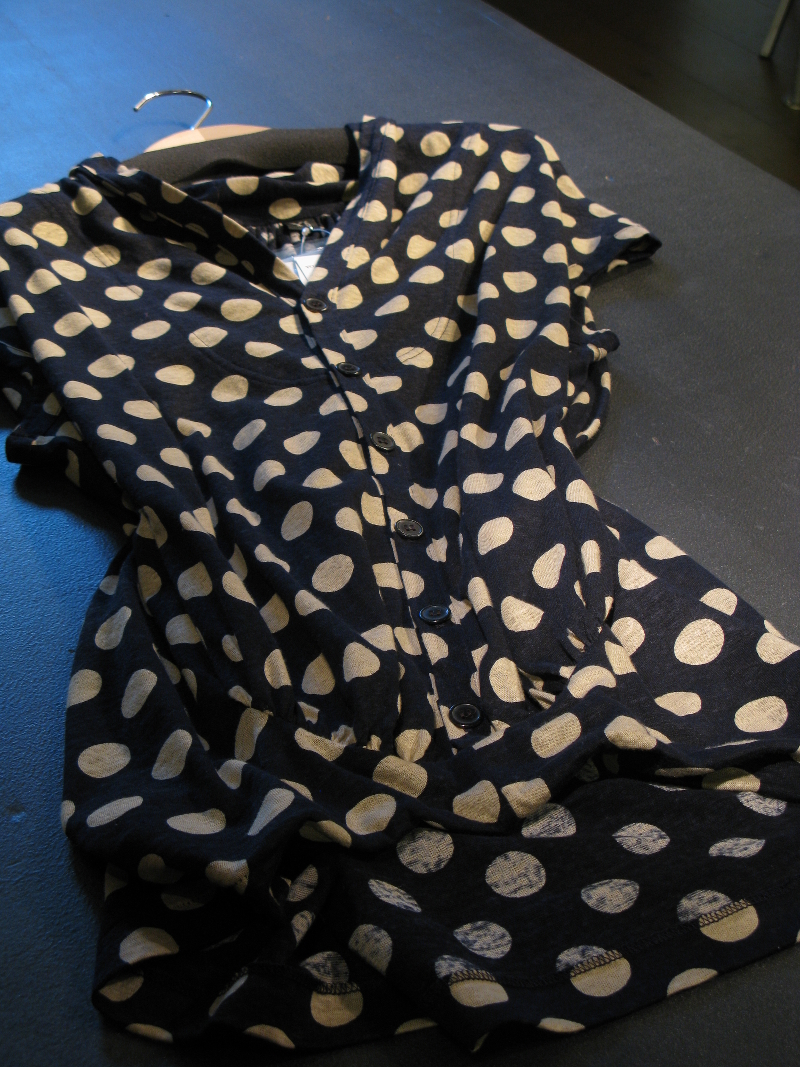
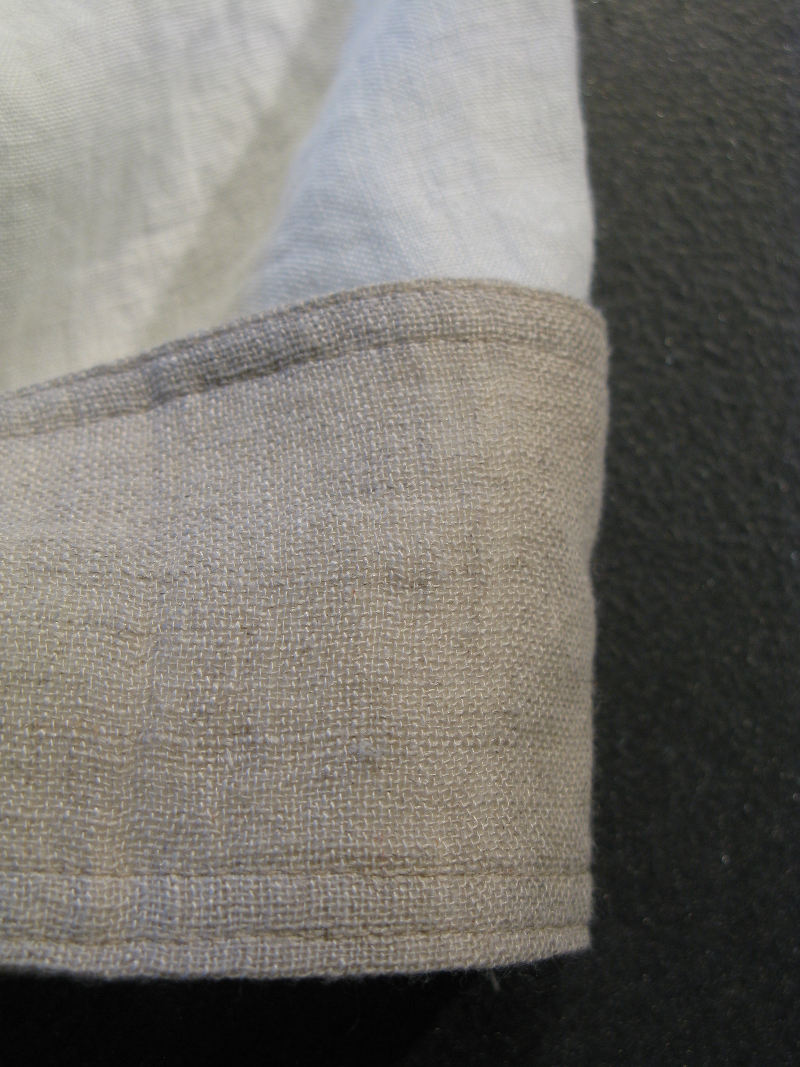
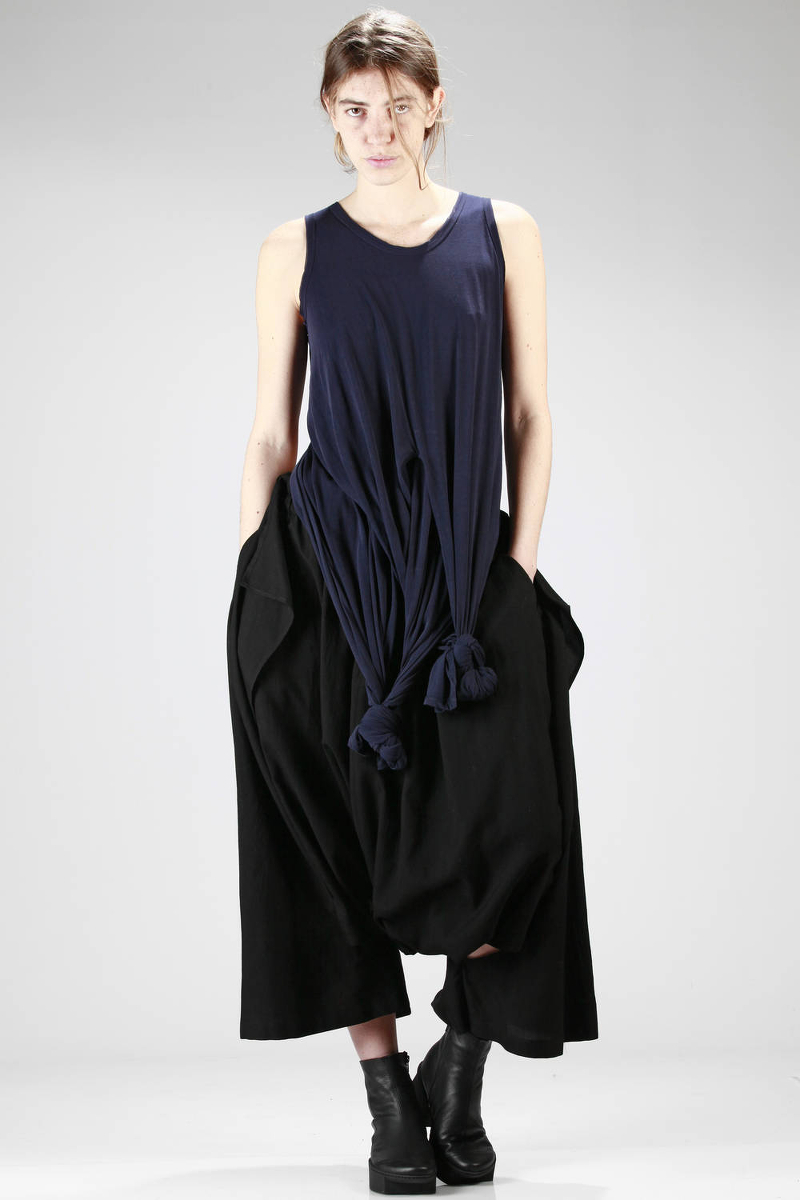
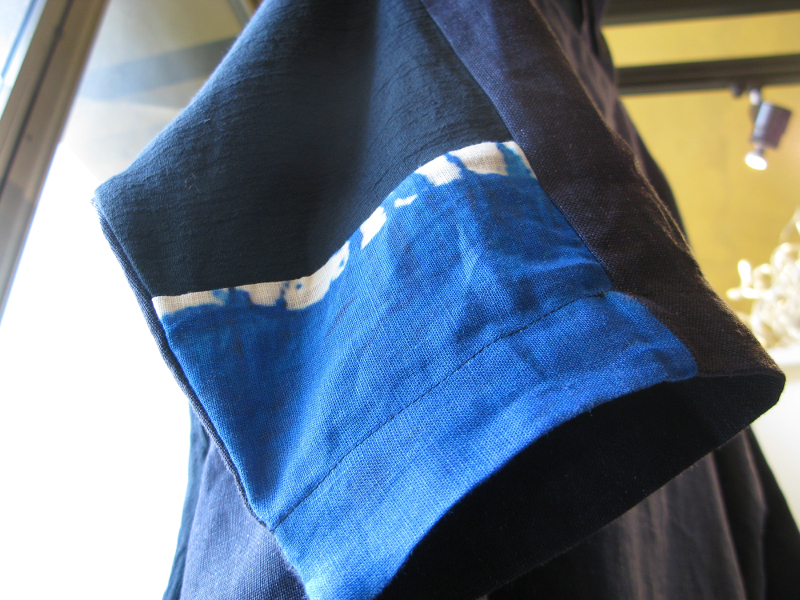
In the Y’s too, Yohji doesn’t scrimp on the involvement of distant artisans, last repositories of the rich Japanese textile heritage, and with extraordinary confidence and discretion leads these unmissable knowledges in refining the everyday life. Linen and cotton patchworks, gussets kept together by laborious stitchings, polka-dots spread on complex wideness, doubled fabrics, barely sketched and overlapped pleats, ad hoc placed darts, precise distribution of the empties and the voids, in a continuos, careful game around the details, the small particular, in order to confuse the position of dresses, jackets and knitwear, in two opposing worlds: one classic and conventional and the other more unpredictable and personal.

The effect is a displacement typical of Yohji Yamamoto’s trait, always in conscious and affected balance between the austerity and the unconventional.

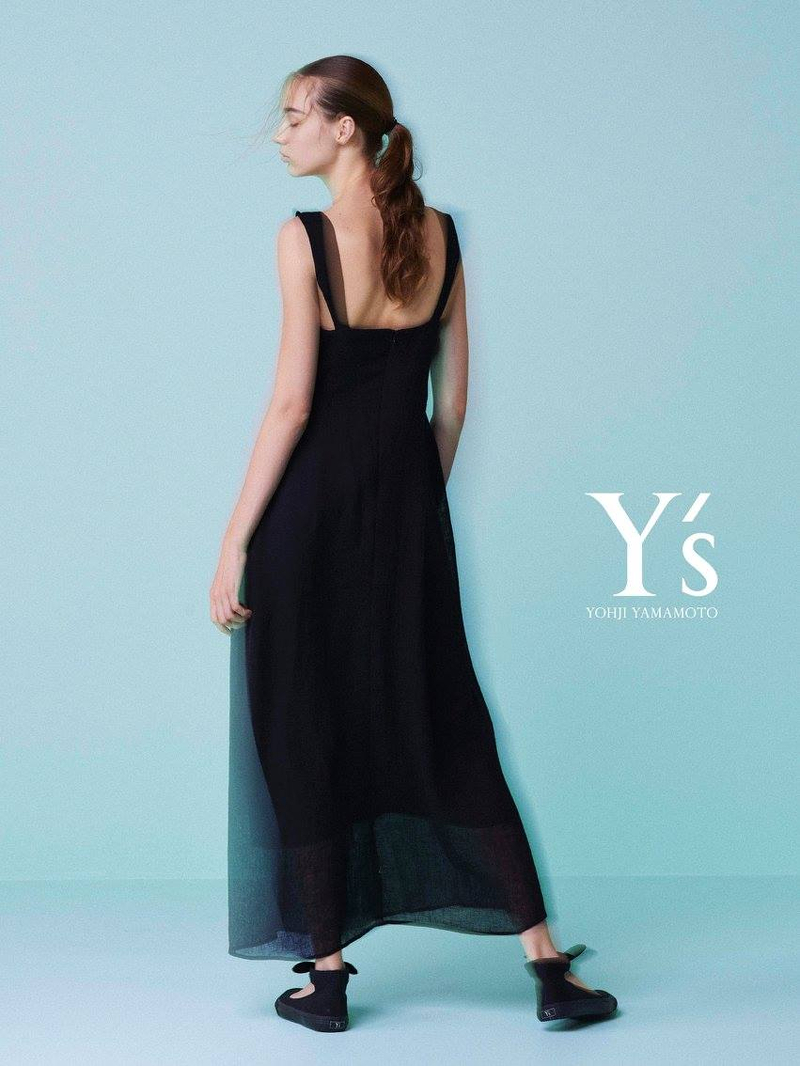
Y's Yohji Yamamoto dress Spring/Summer 2016

Y's Yohji Yamamoto Spring/Summer 2016 dress detail

Y's Yohji Yamamoto Spring/Summer 2016 jeans and pois shirt

Y's Yohji Yamamoto Spring/Summer 2016 shirt pois

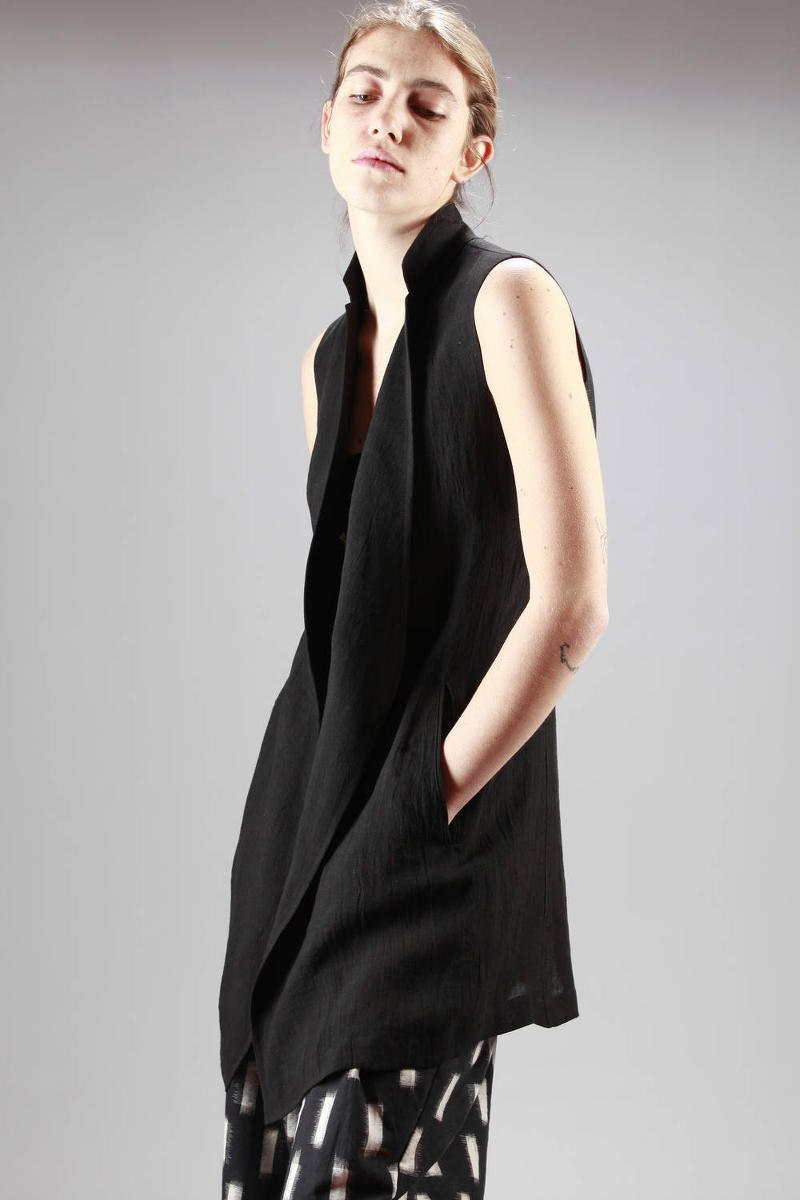
Y's Yohji Yamamoto Spring/Summer 2016 gilet

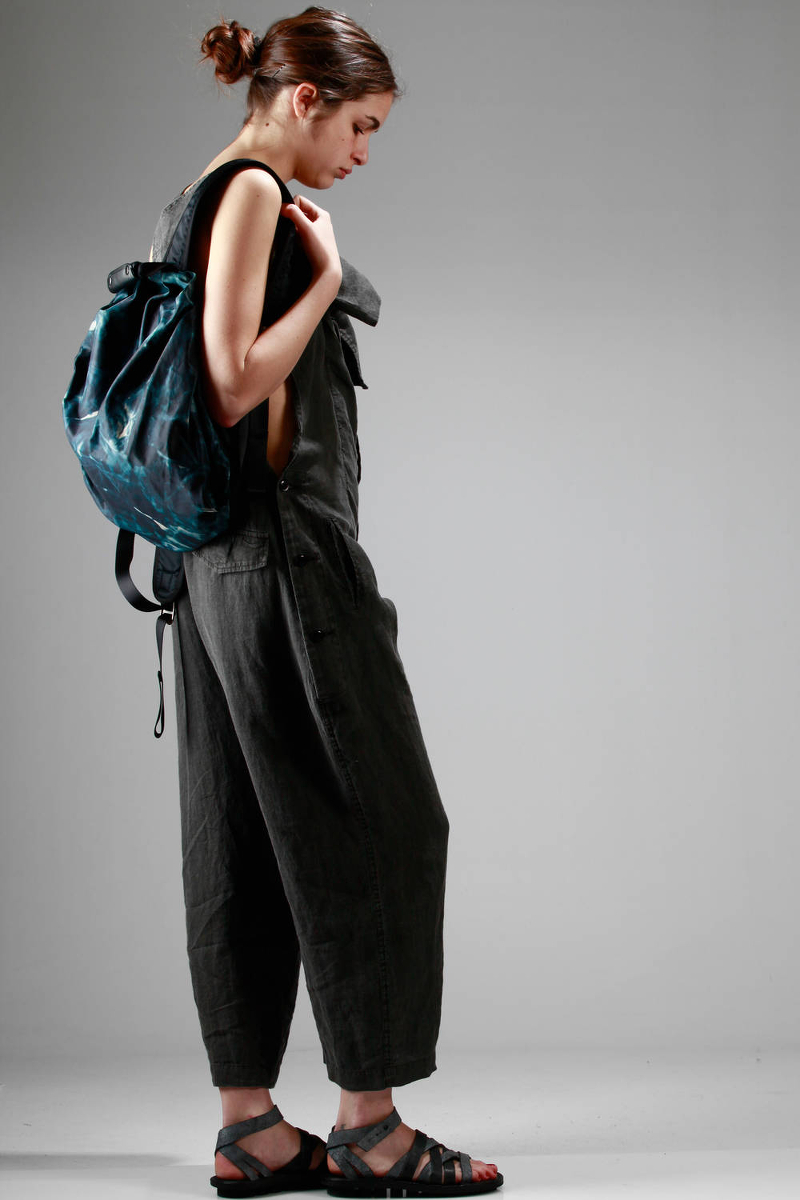
Y's Yohji Yamamoto Spring/Summer 2016 jumpsuit and back-pack

Y's Yohji Yamamoto Spring/Summer 2016 pants-dress

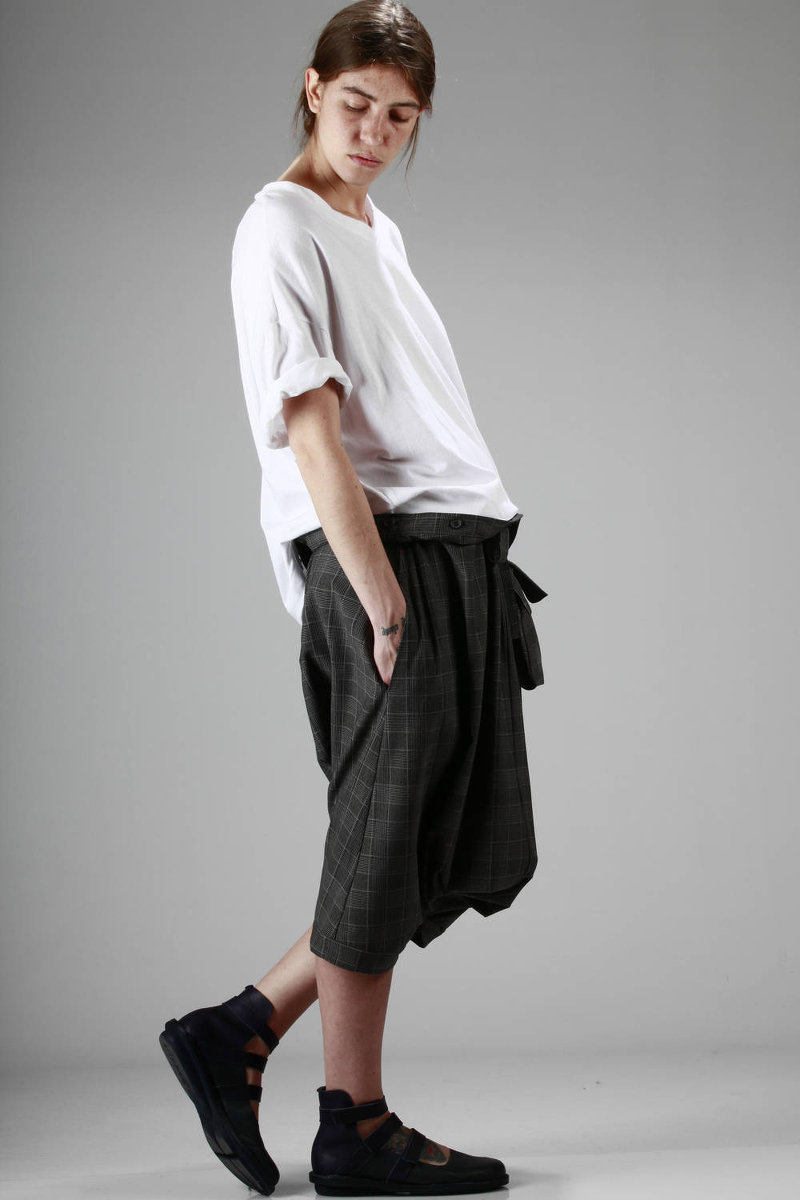
Y's Yohji Yamamoto Spring/Summer 2016 trousers

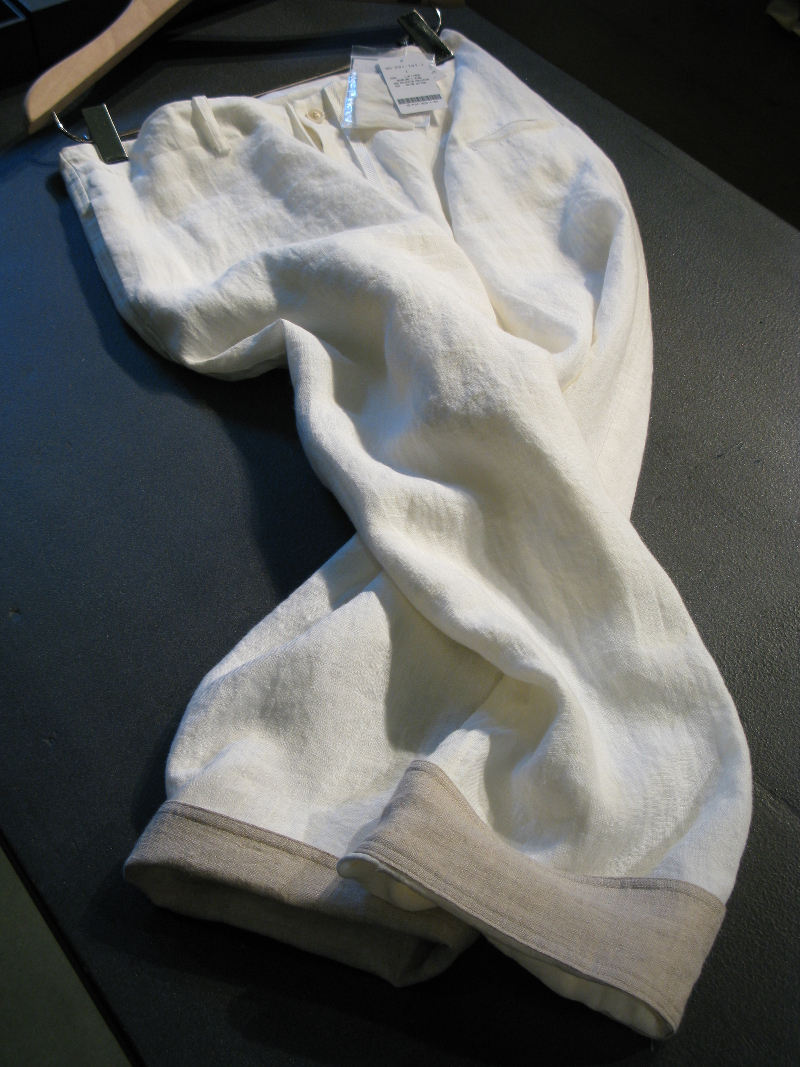
Y's Yohji Yamamoto Spring/Summer 2016 trousers detail

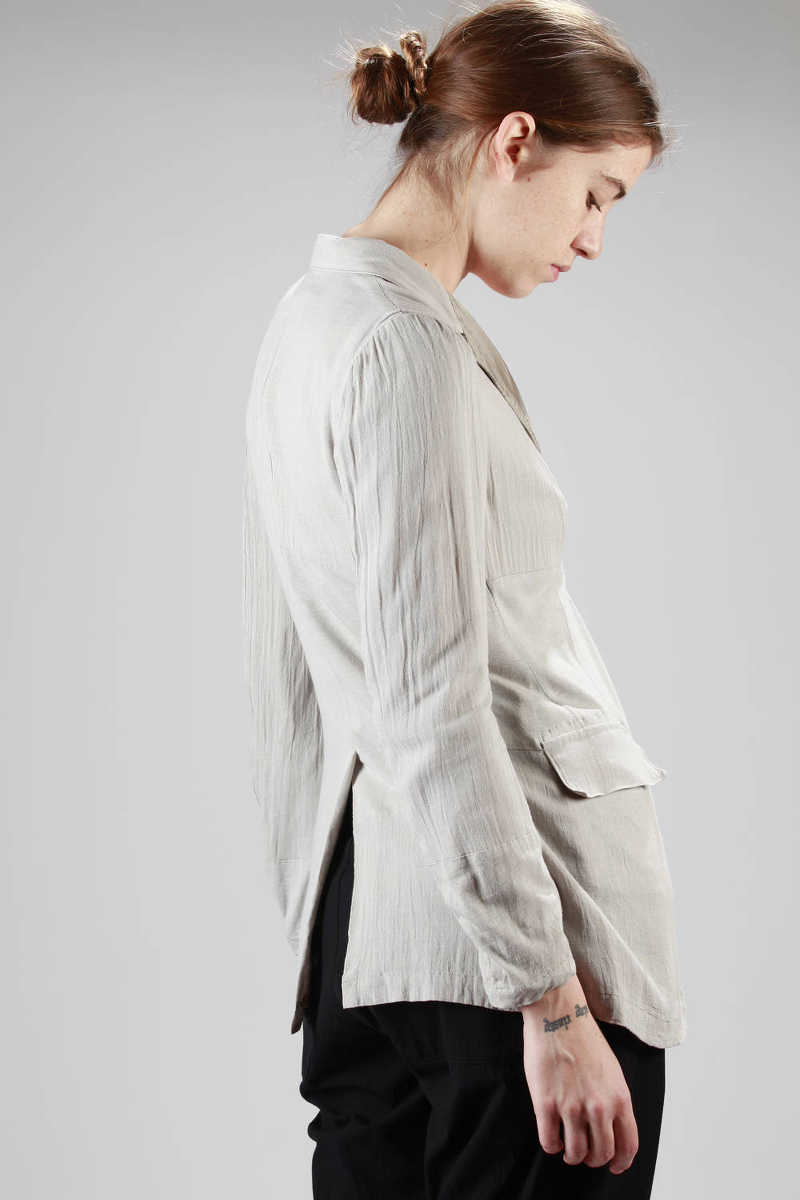
Y's Yohji Yamamoto Spring/Summer 2016 jacket

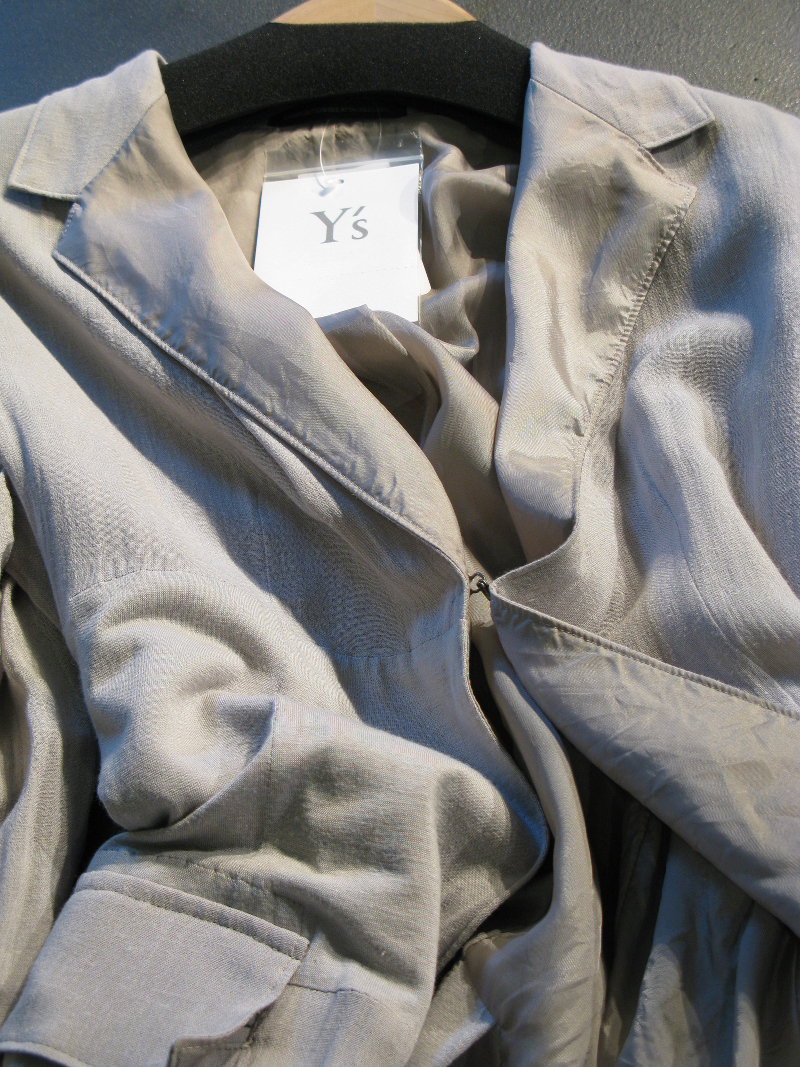
Y's Yohji Yamamoto Spring/Summer 2016 jacket detail


Read More
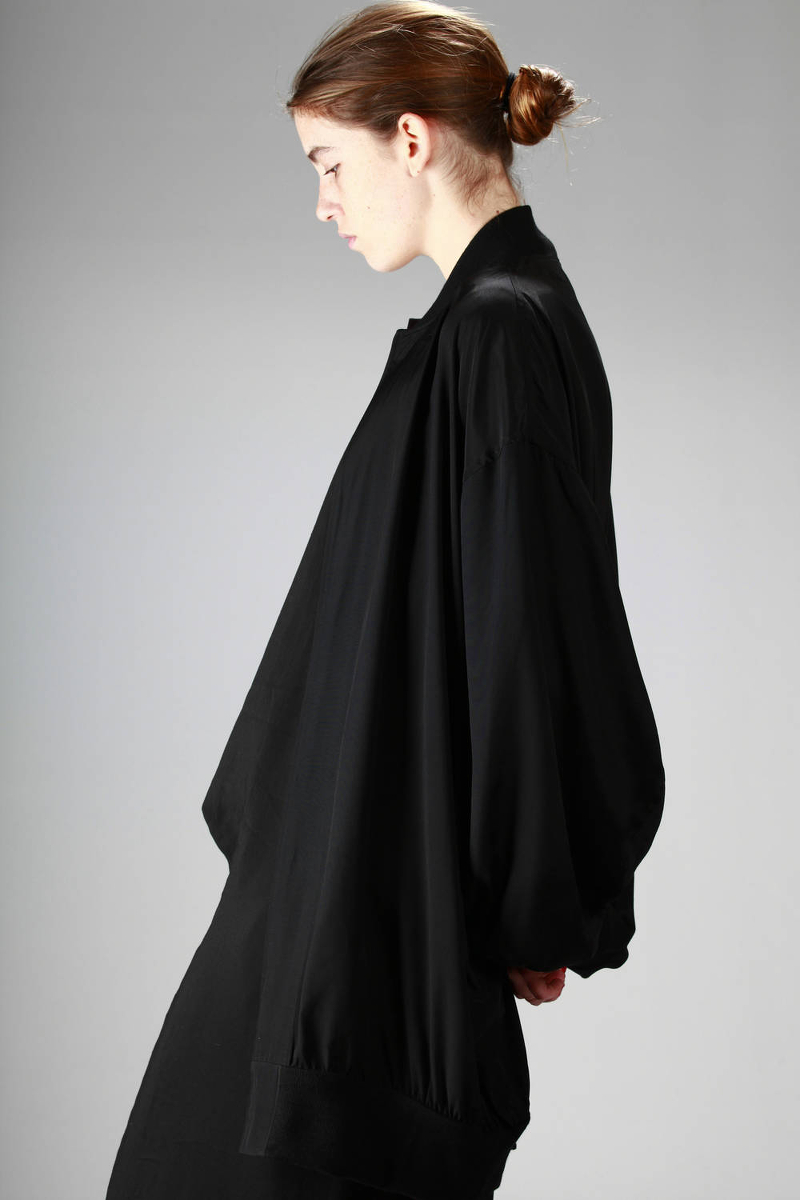
Looking closely at a garment of the the so-called Japanese school great master Yohji Yamamoto is not only a rare occasion, but the audience reaction is always the same too: silence and an expression that instantly changes the face, as if to say very simply: ‘Here we are behind’. Behind fashion, behind the seasonal trends, behind what one could usually see, behind the widespread boredom of making clothes with approximation.

In increasingly critical times for the clothing field, where more and more less space is left to the know-how, where the production rhythms are more and more compromised by the minimizing of the costs and especially by the increasing of the manufacturing companies profit margins, having the chance to intercept a Yohji Yamamoto’s work is like finding relief in the middle of the most hazardous desert. Because the high quality tailoring, applied to accessible models and with an eloquent design, could excite on the same level of every other noble artistic expression. And Yohji, more than ever, is a skilled weavers of ancient knowledges and contemporary solicitations, gained in metropolitan contexts with an high concentration of relationships, contaminations and syncretism.

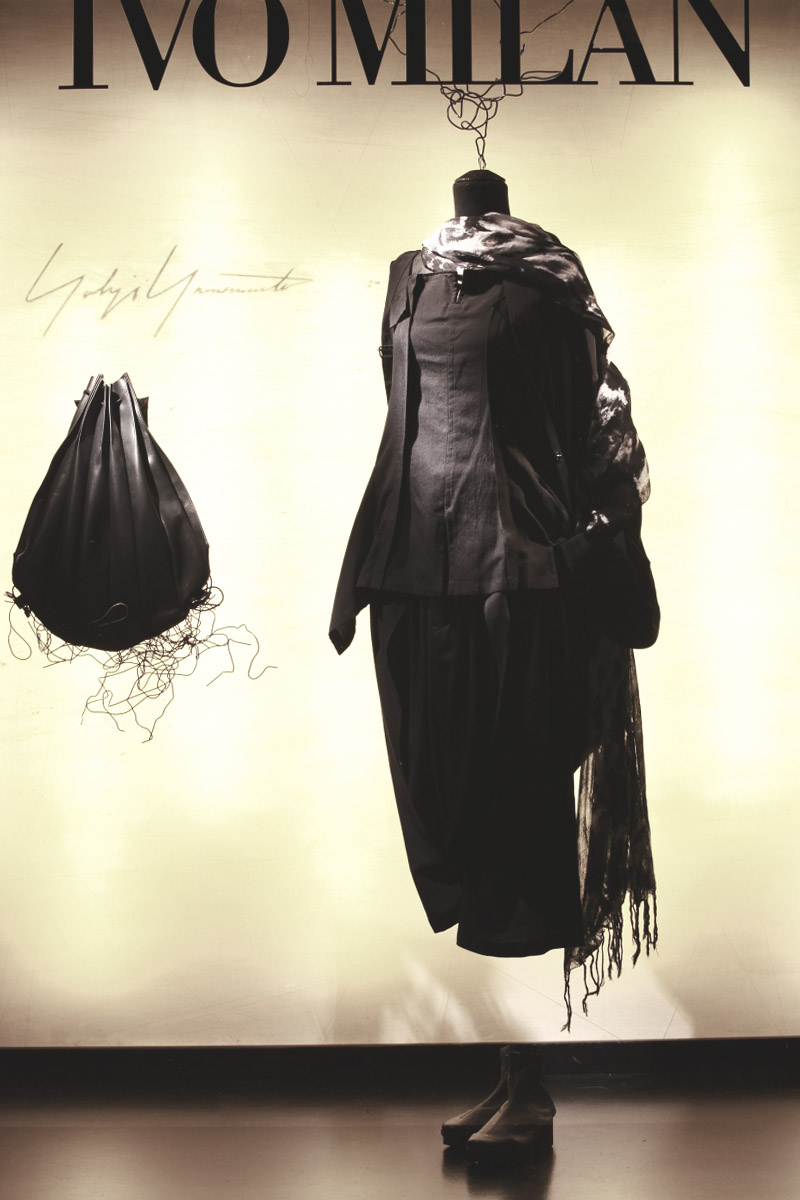
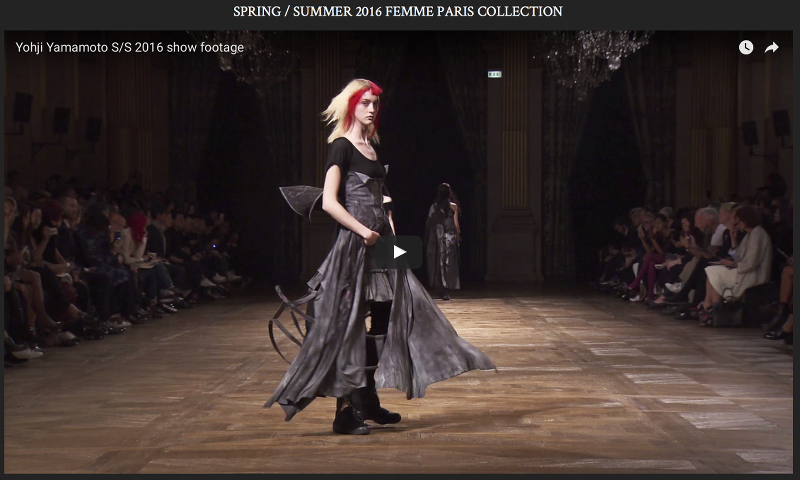
For the Spring/Summer 2016 we have a personal interpretation of an Enlightenment atmospheres, in the bustiers composed by articulated asymmetries on the wider volumes of skirt and trousers, emphasized by the sumptuous scenario of the Hotel de Ville in Paris, selected for the runway show.

But the historical citation mixes and confuses itself with more contemporary and urban silhouette, evoked with determination by the lengths and the details of the overcoats, in the calculated disorder of certain dresses and tops


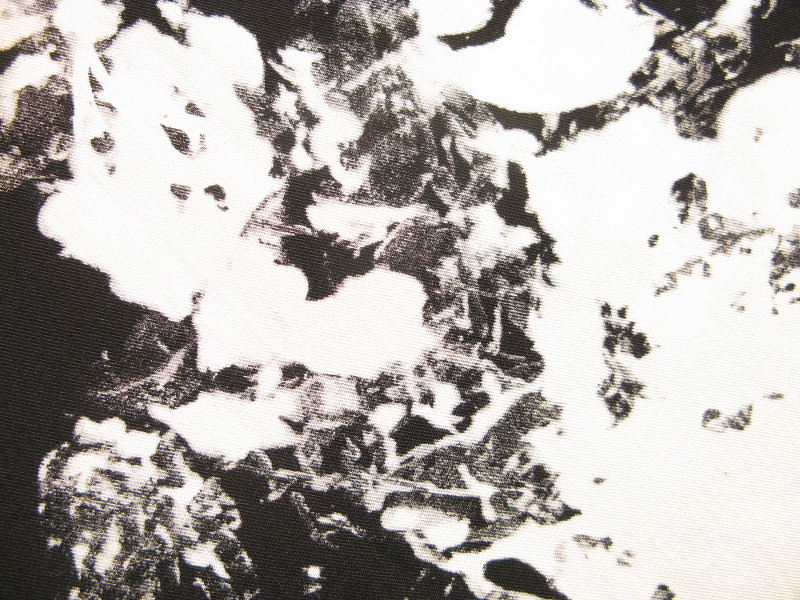
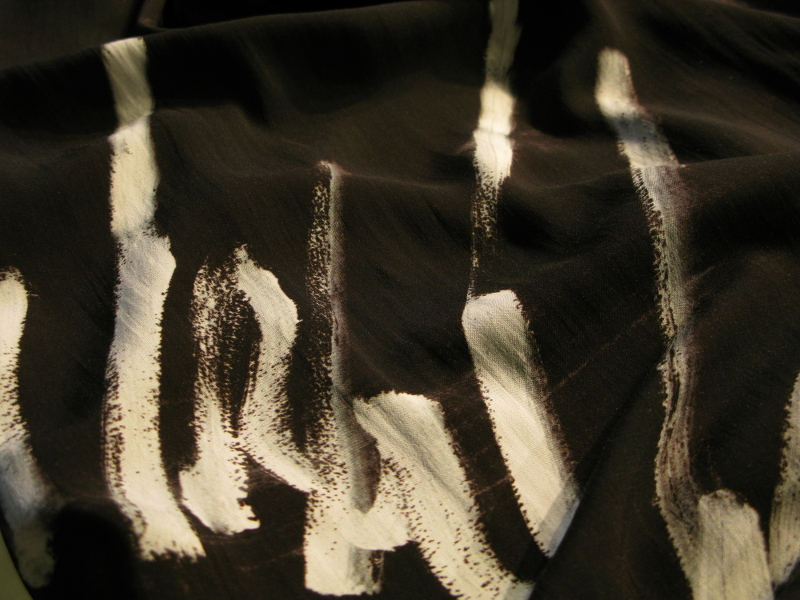
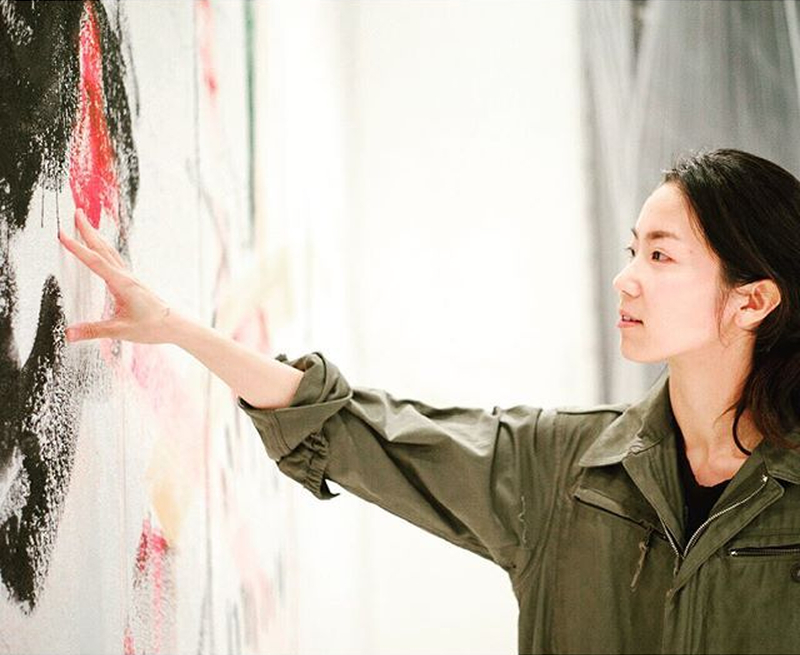
and especially in the explicit collaboration with the very young painter Yuuka Asakura (discover her instagram and twitter profiles) called to paint her abstract works on the already very precious Japanese cottons.


The ubiquitous black colour gets dirty with pictorial signs with a charming chromatic involvement, inviting the audience to observe with calm and attention, to stop by, discovering also the less showy gestures in fibres that reveal themselves in their curate and surprising three-dimensionality.

In opposition to the more pressing and emerging requests of time and space compression, Yohji Yamamoto with the most discreet savoir faire, remembers us that the beauty could be still part of our stories, we just need to never stop seeking it.


The Spring/Summer Yohji Yamamoto collection is on www.ivomilan.com


Read More

Daniela Gregis SS16

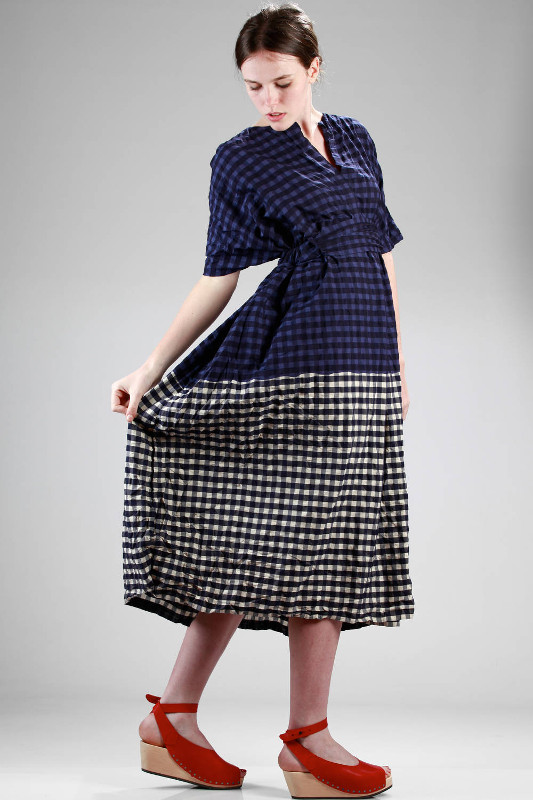
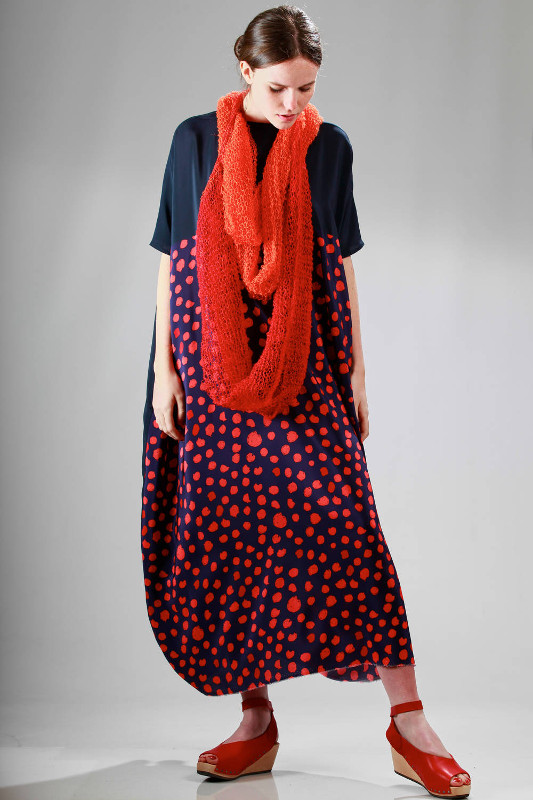
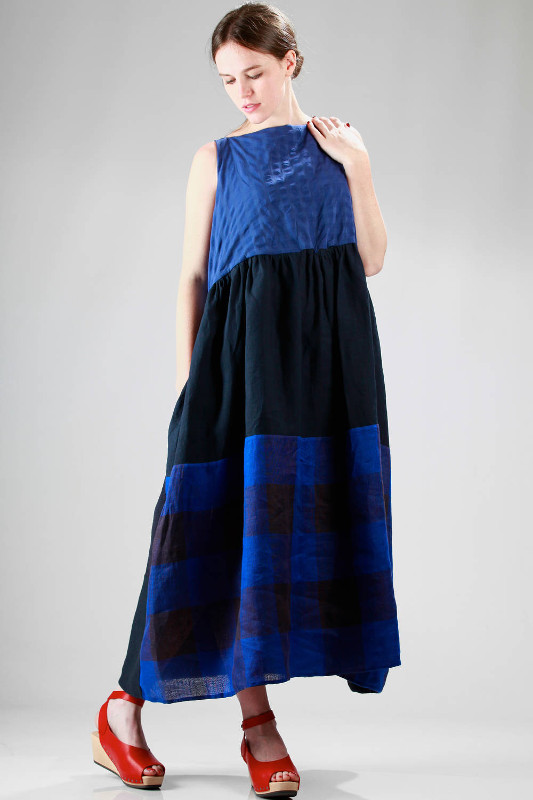
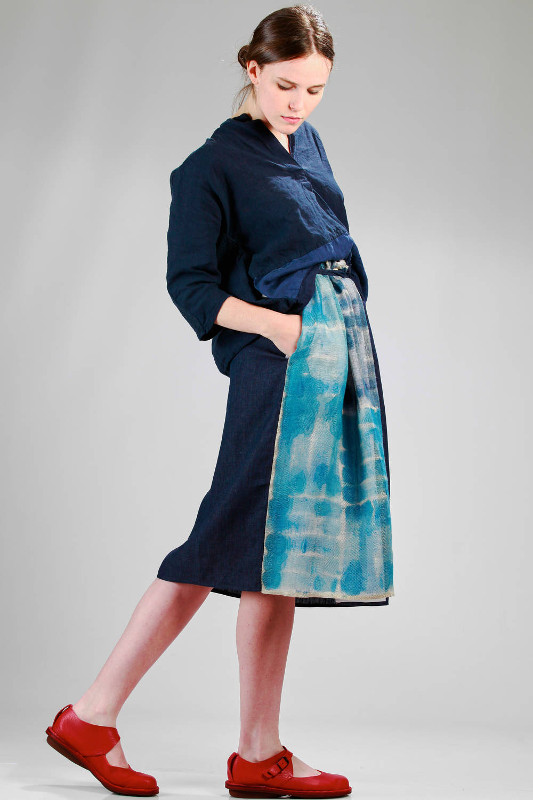
Abirinzà, a sound more than a word, coming from the recurrent Earth cadences from which Daniela Gregis draw the inspiration for this spring/summer 2016, brings us important clues about the construction of a collection particularly full of ornamental patterns. The designer with this sound expression, probably invented, evokes the Sardinia, with its rooted and complex textile traditions, the extensive and expertise use of the loom, but also with its rich heritage of memories and nostalgia.
Daniela Gregis SS 2016

Daniela Gregis SS 2016

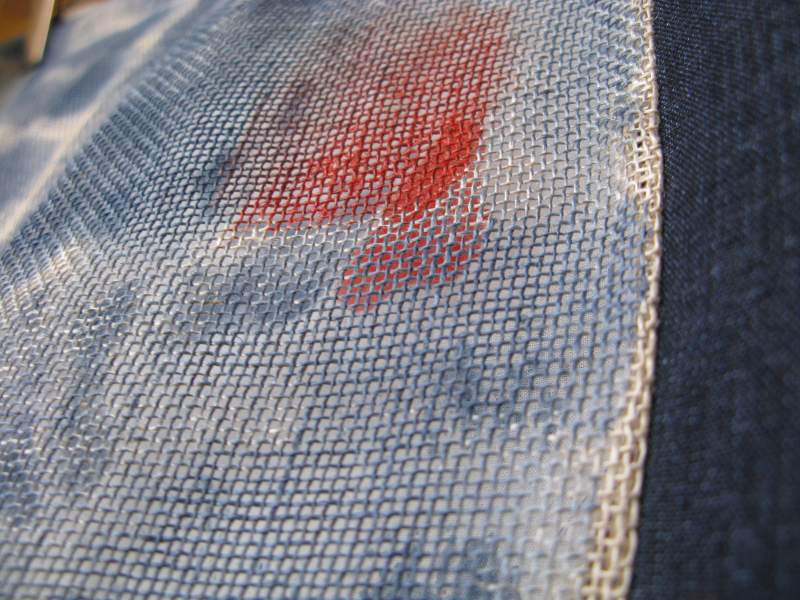
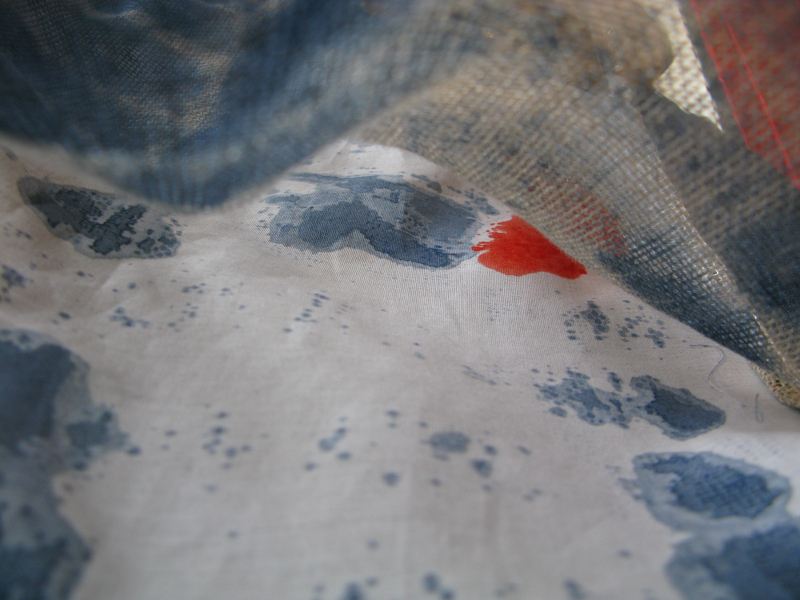
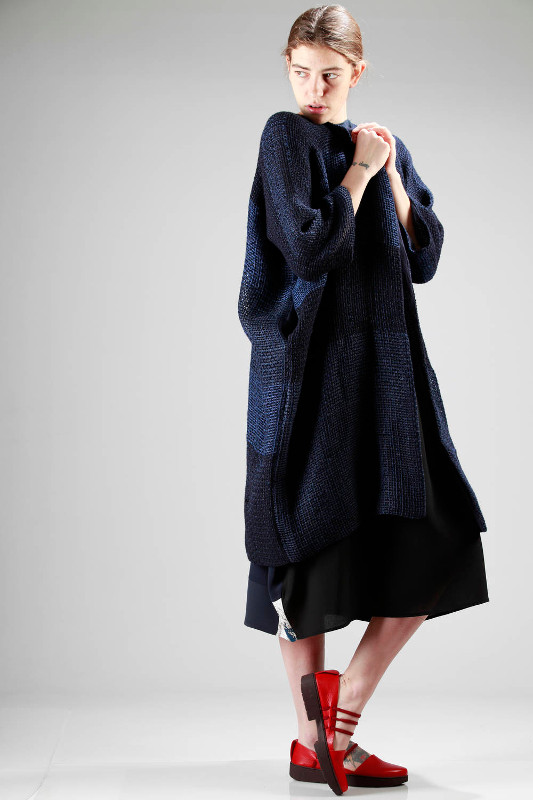
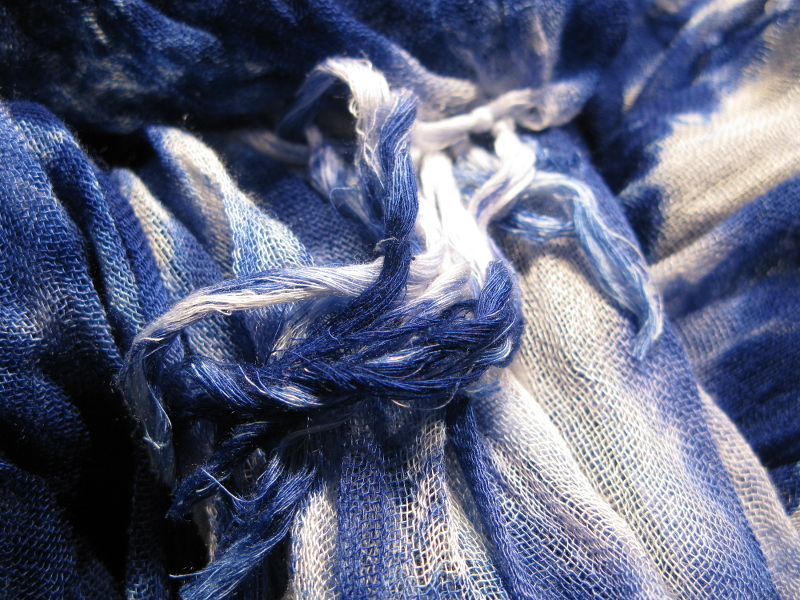
Abirinzà broods over the memories of hard work laying them down as poetic logos in unexpected positions, becoming systematic patchwork gussets, where two different possibilities combine themselves together: fragments saved from the past and reassembled in canvas next to a painting or more slow and difficult weaving, nets and gauzes, loom and crochet, embracing each other in perfect harmony.
Daniela Gregis SS 16

Daniela Gregis SS 16

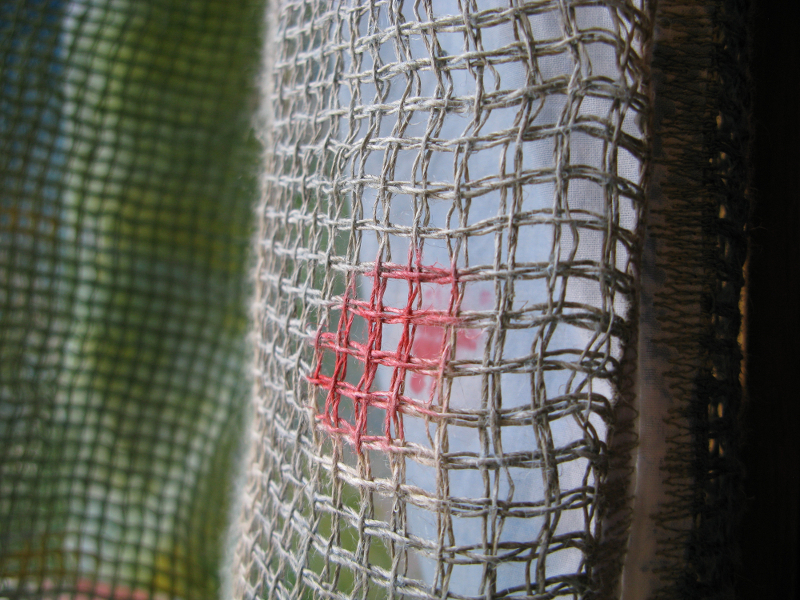
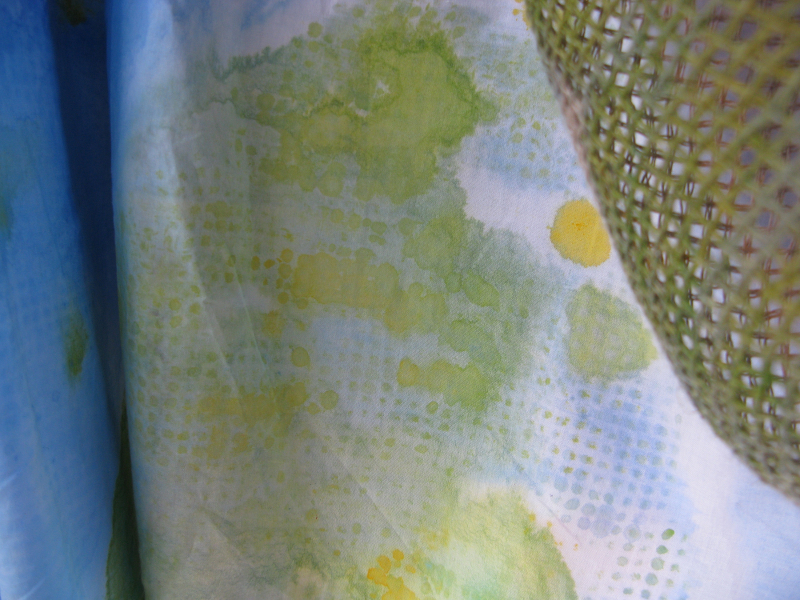
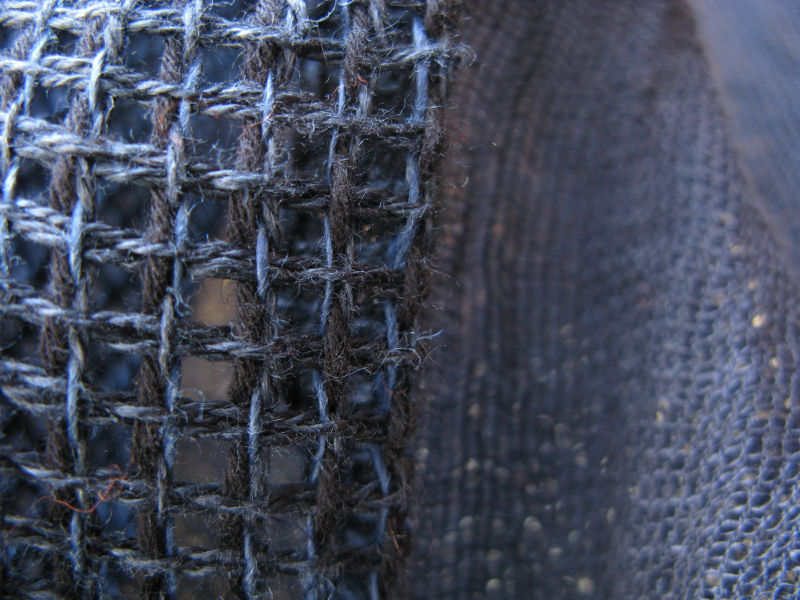
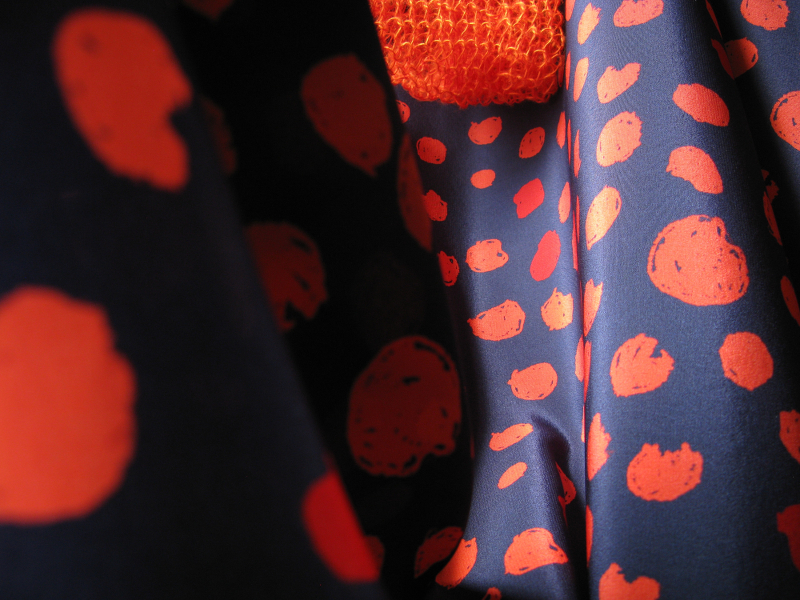
The designer from Bergamo certifies in this way each piece, claiming an authenticity in the acrobatic vicissitudes of the paintbrush, that stains and gives new life to the linen nets, joint with their negatives in cotton poplin, because the process should be watched in its integrity, combining itself with the first work. The silks, in the slippery brightness of the crêpe de chine, become bright palettes of strained colour, in the more contrasting red-blue shades, but also in the less radical blue-pastel light blue and white. Or the vichy, quoted also in other seasons, widen themselves becoming definite squares with more and more large spaces, always treated with the washing to contain the cotton strict rigidity.

Daniela Gregis SS 2016

Daniela Gregis SS 16

Daniela Gregis SS 2016

Abirinzà are the open doors of the memory silos, abirinzà are the surprises regenerate in the changes of thinking, abirinzà is the just started spring, abirinzà are the fresh starts and the promises of staying well.

Dabiela Gregis SS16

Daniela Gregis SS 2016

Daniela Gregis SS 2016

Daniela Gregis SS 2016

Daniela Gregis SS16

Discover the full ‘Abirinzà’ collection on our online catalogue


Read More