www.ivomilan.it

   IVO MILAN – Radical Fashion Blog

Archive
Author Archive

In the past, we have already had the opportunity to present the exceptional nature of Boboutic, the Italian brand specializing in knitwear production.

One would naturally expect the development of sweaters and knit pieces, more or less creative, colorful, crafted from beautiful yarns, but certainly not an entire collection in which knitwear becomes almost unrecognizable.

The challenge embraced by Michel and Cristina, the close knit designer duo behind the brand, lies precisely in their constant subversion of the traditional clichés of the sector: knitwear no longer appears within the familiar standards of the category, but consistently transforms into something else, something much closer to woven fabric: shantung, matting, tweed, and much more.
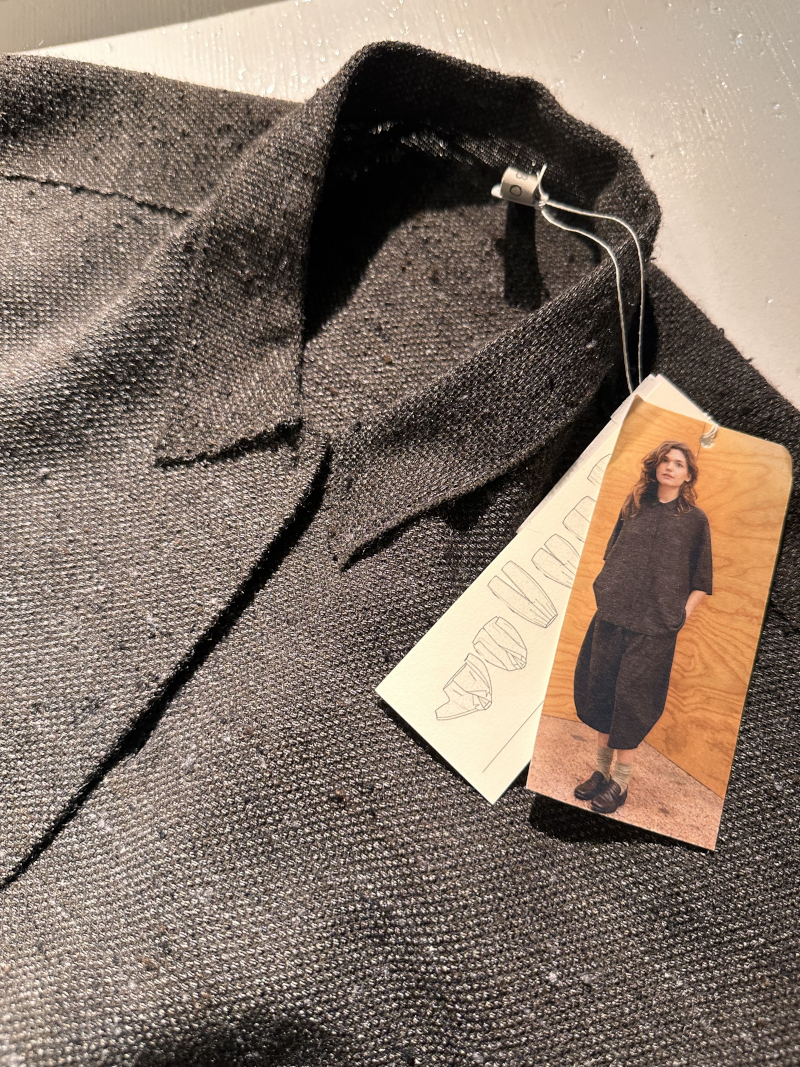
Entering the Boboutic showroom is always a pleasure, born from the eager anticipation of discovering what new ideas they have developed and the forms their experimentation with precious yarns might take: cashmere, silk, linen, and cottons with rare and evocative names such as suviv and frisée.

Within the clean lines of silhouettes that appear deceptively simple, slightly oversized and clearly influenced by Japanese aesthetics, knitwear becomes ambitious clothing: jackets, dresses, cabans, overcoats, coats, and even trousers, never presenting itself in the way it is usually imagined. The result is a sophisticated and experimental product, rich in intricate weaves and meticulous craftsmanship, lightweight textures, and complex patterns, while always maintaining a discreet elegance and an image of rigorous modernity with an international spirit.
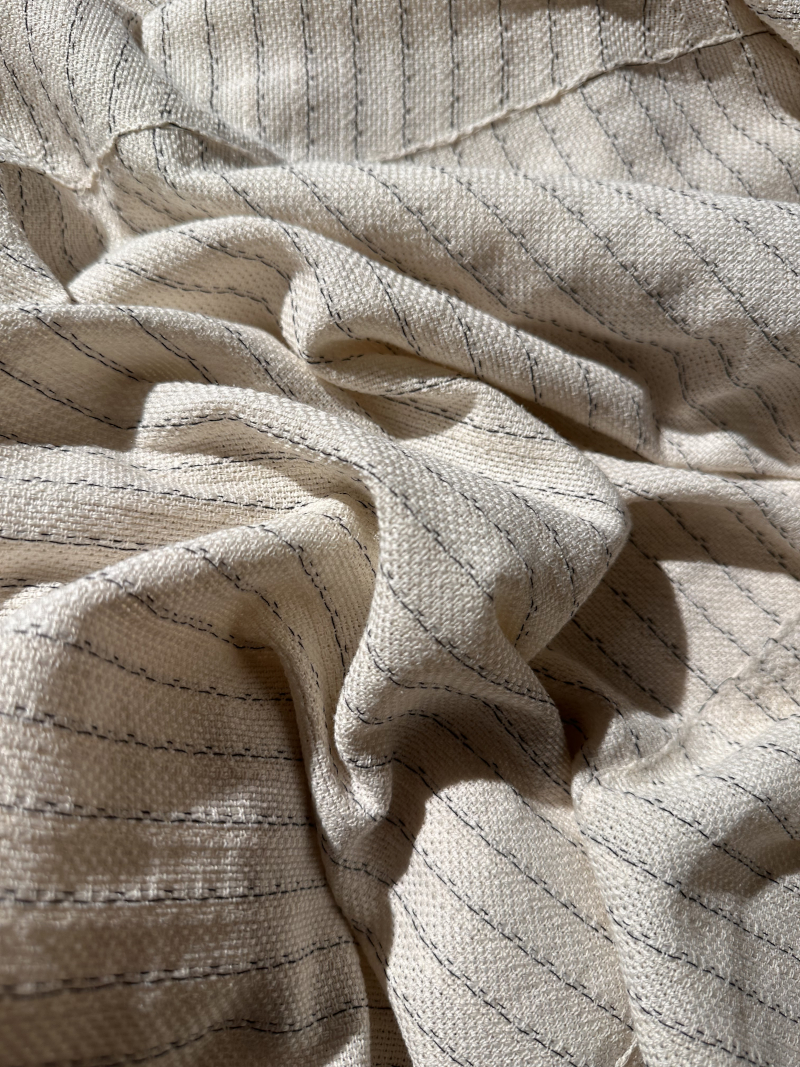
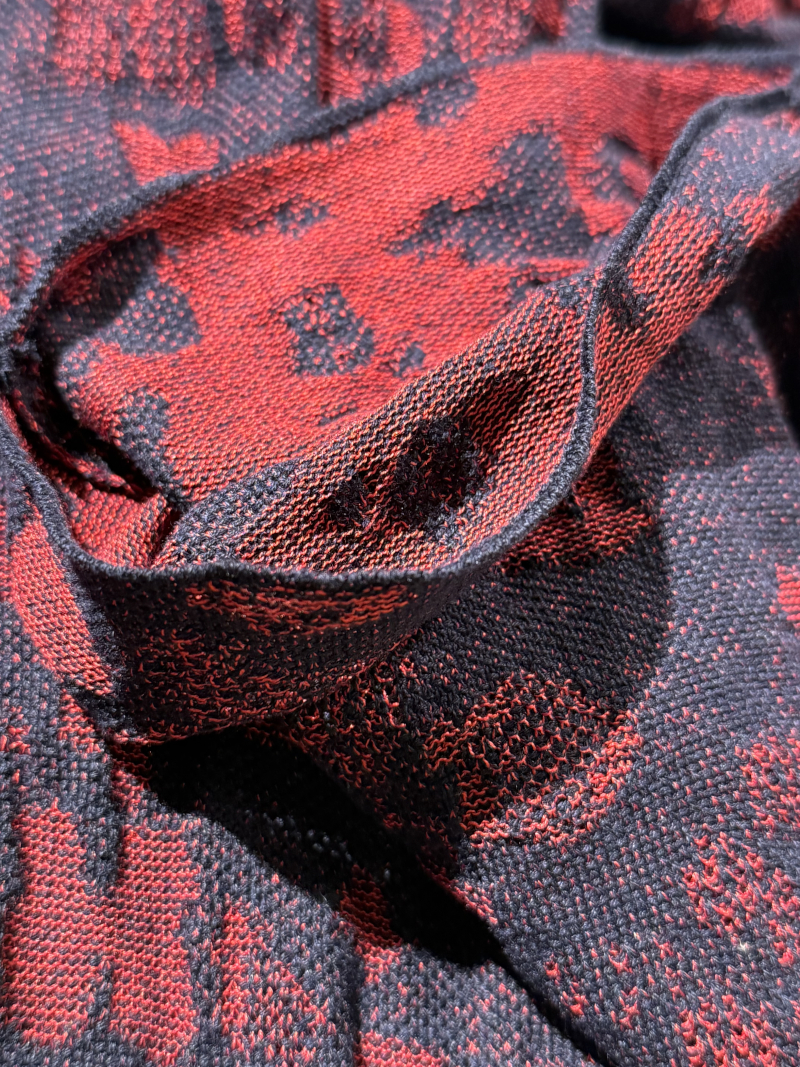
Particular attention is devoted to weight and balance, carefully calibrated for the changing seasons and, precisely because these are knitted garments, to the exceptional comfort of naturally elastic fits that never feel restrictive.

One way to fully savor the atmosphere of the Boboutic world is to step inside the showroom with us and breathe in its quietly innovative freshness, shaped by the subdued tones of its favored natural fibers…


Read More
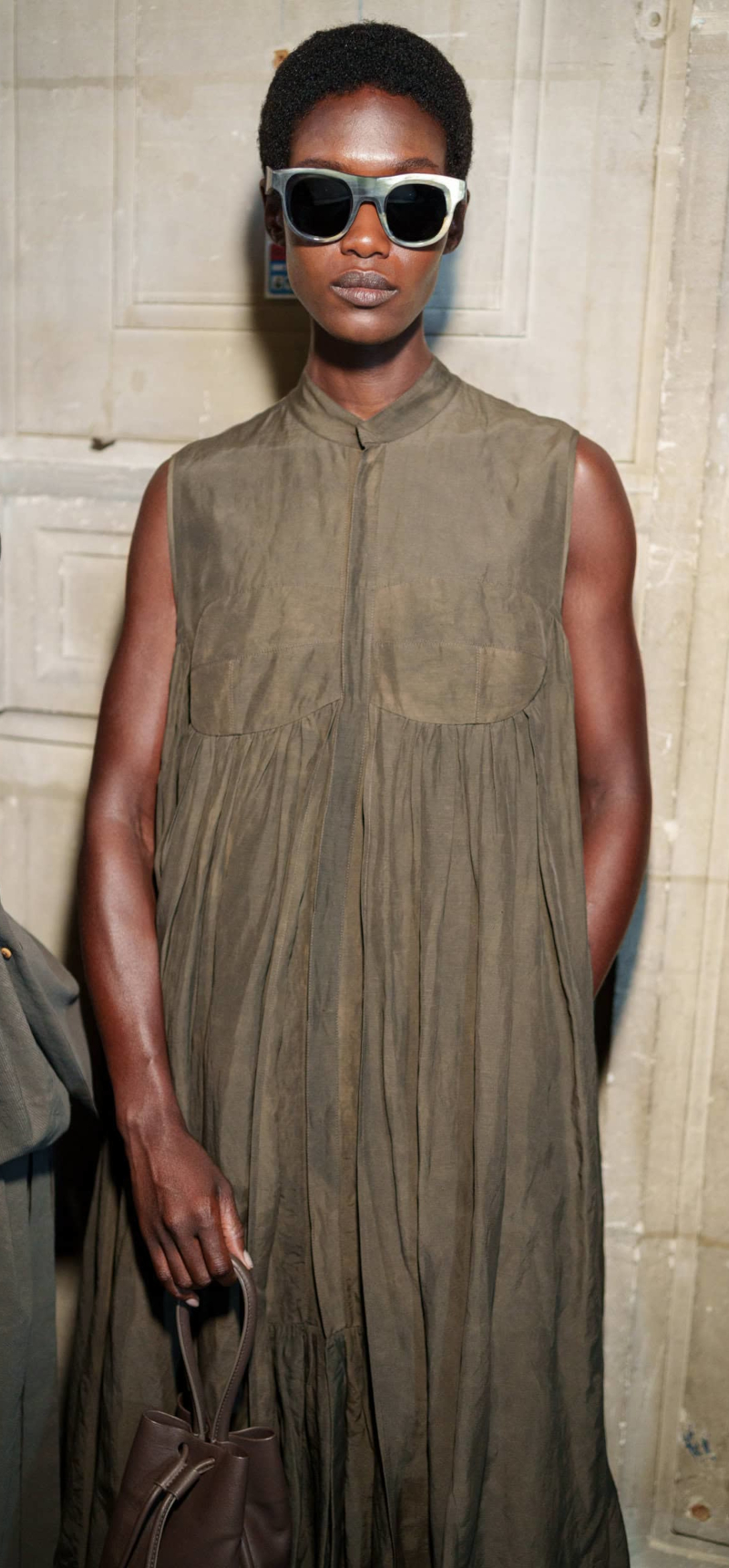
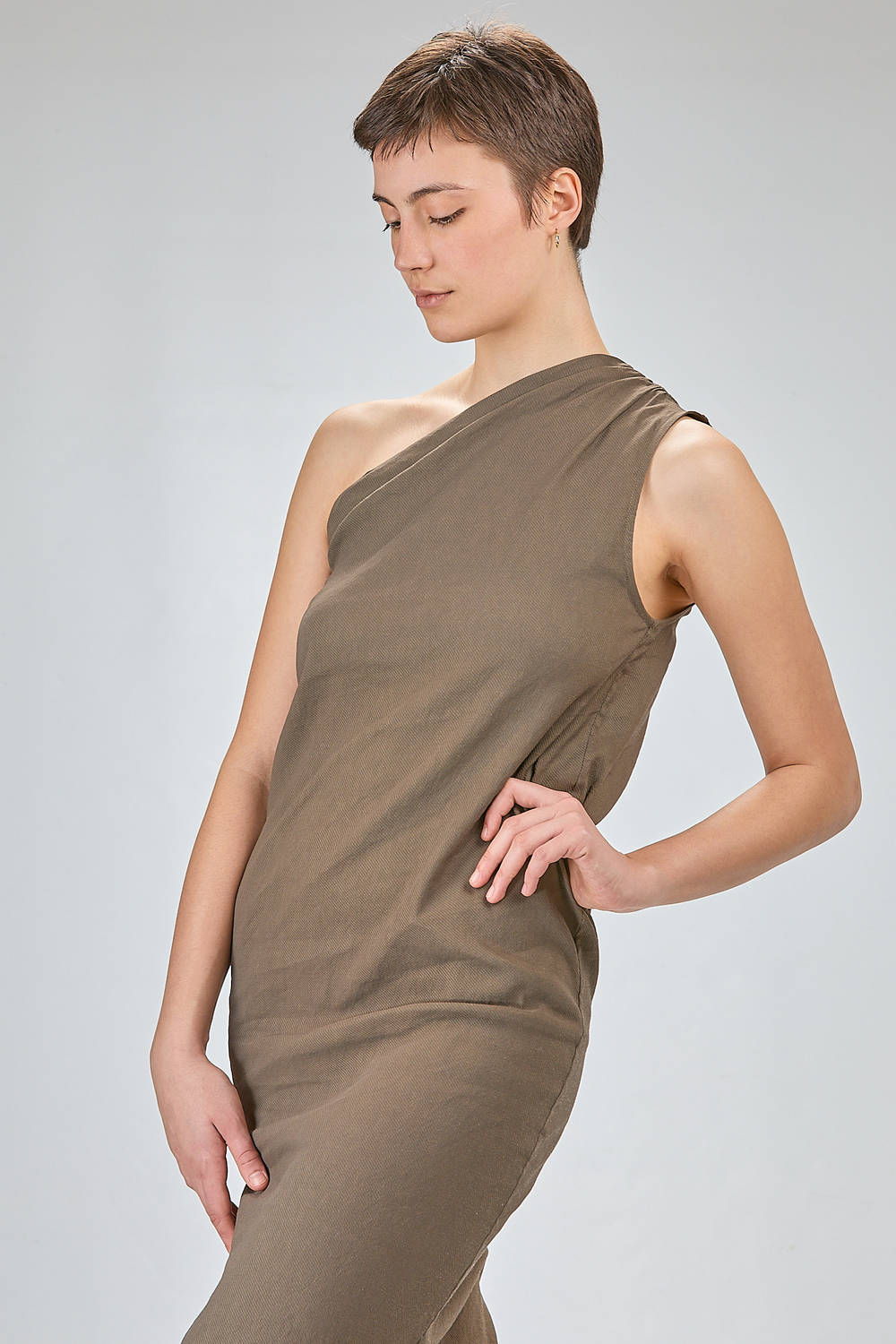
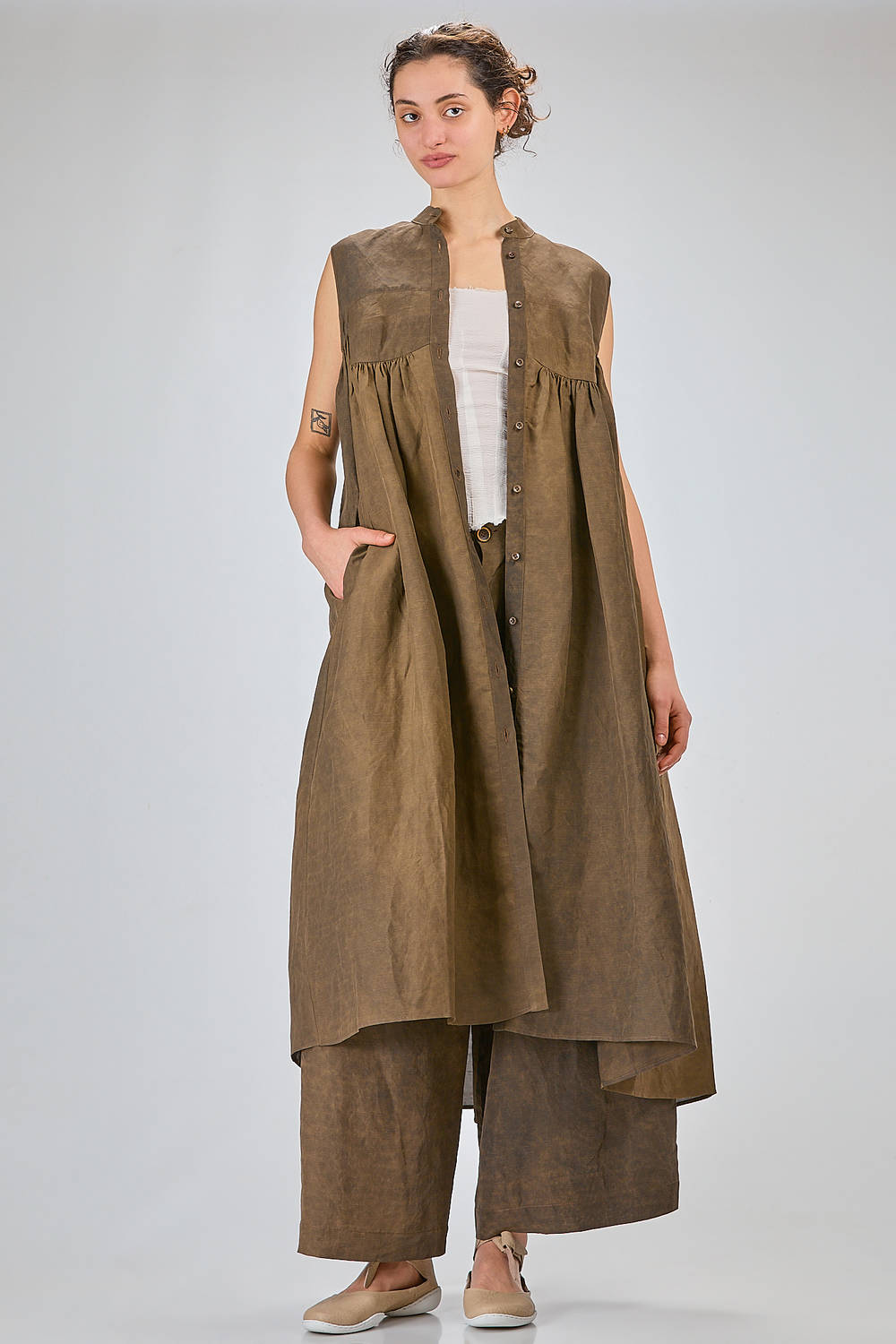
An education at the China Textile University in Shanghai, followed by a degree in fashion design in London at Central Saint Martins, mark the beginnings of Uma Wang, the first Chinese designer to be welcomed onto the runways of Milan Fashion Week and, for several years now, those of Paris.

The designer’s textile expertise and strong personality quickly earned her international awards and recognition: from the BoF 500 to the Council of Fashion Designers of America, to name just a few. Today she is considered a prominent figure in the avant-garde fashion system, among the names shaping an important direction within contemporary slow-fashion.

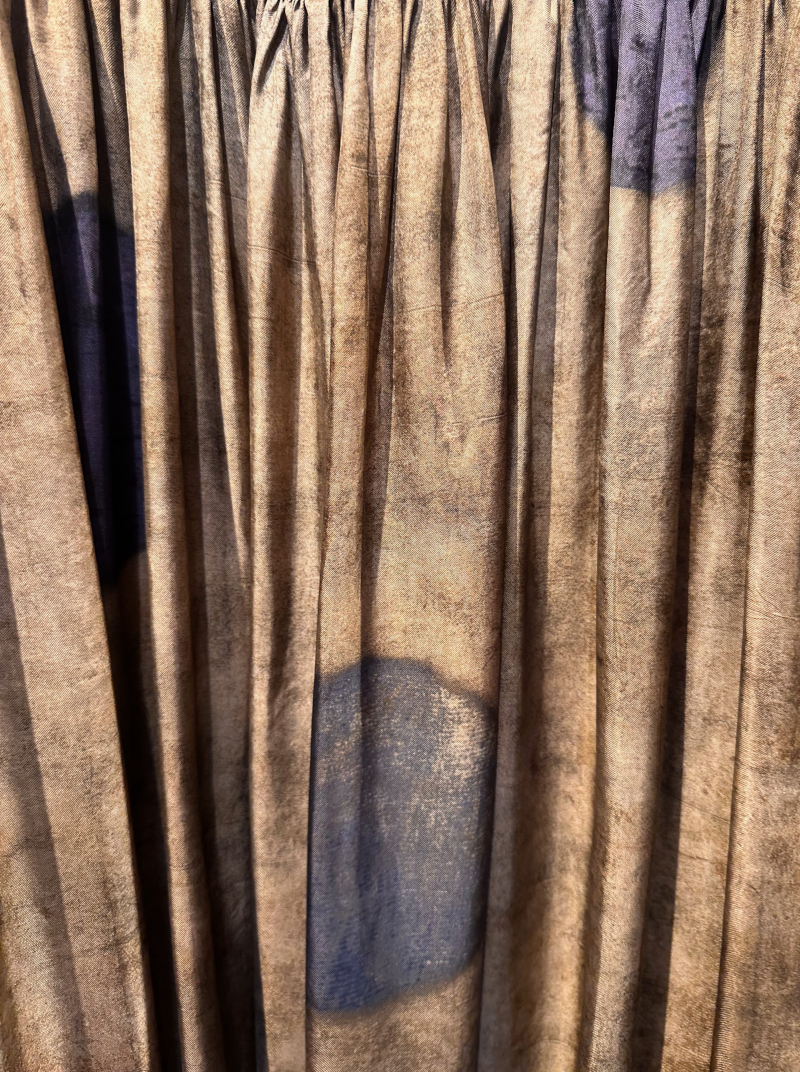
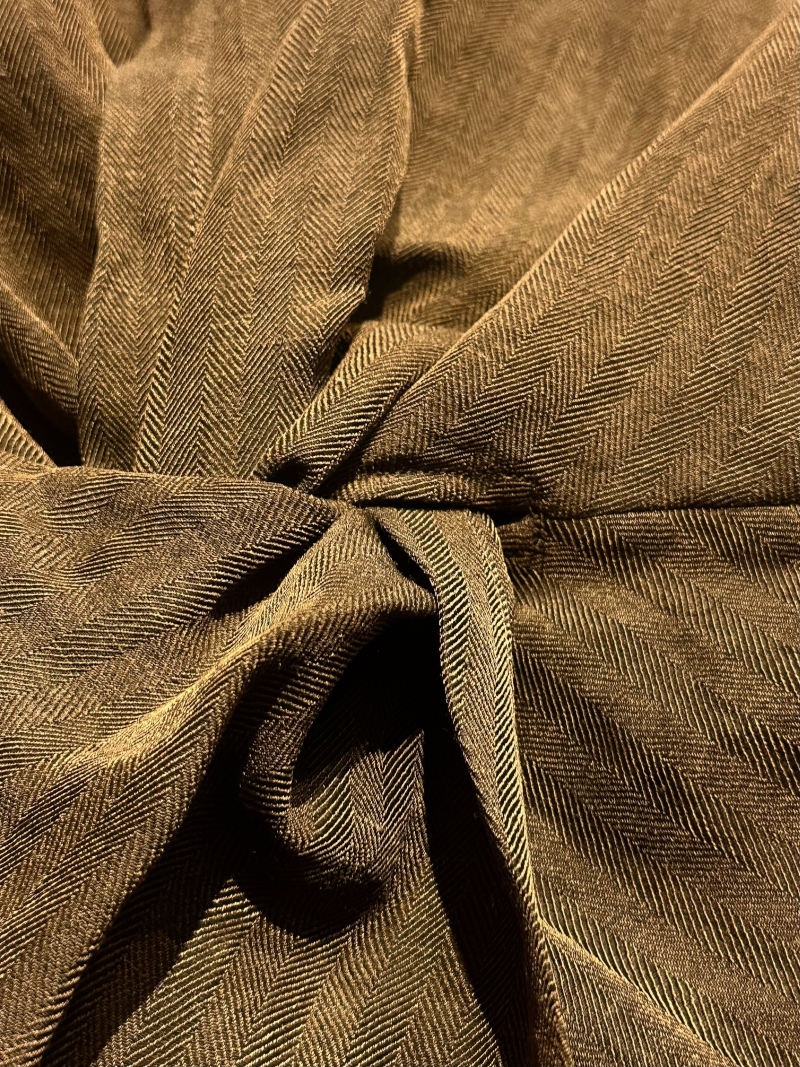
Her style is easily recognizable through low-saturation colors, overdyeing techniques that create captivating shades, and crinkled, treated fabrics, often cut raw, with an aesthetic that blends Asian influences with Western haute couture and the cultural crossovers of major global metropolises


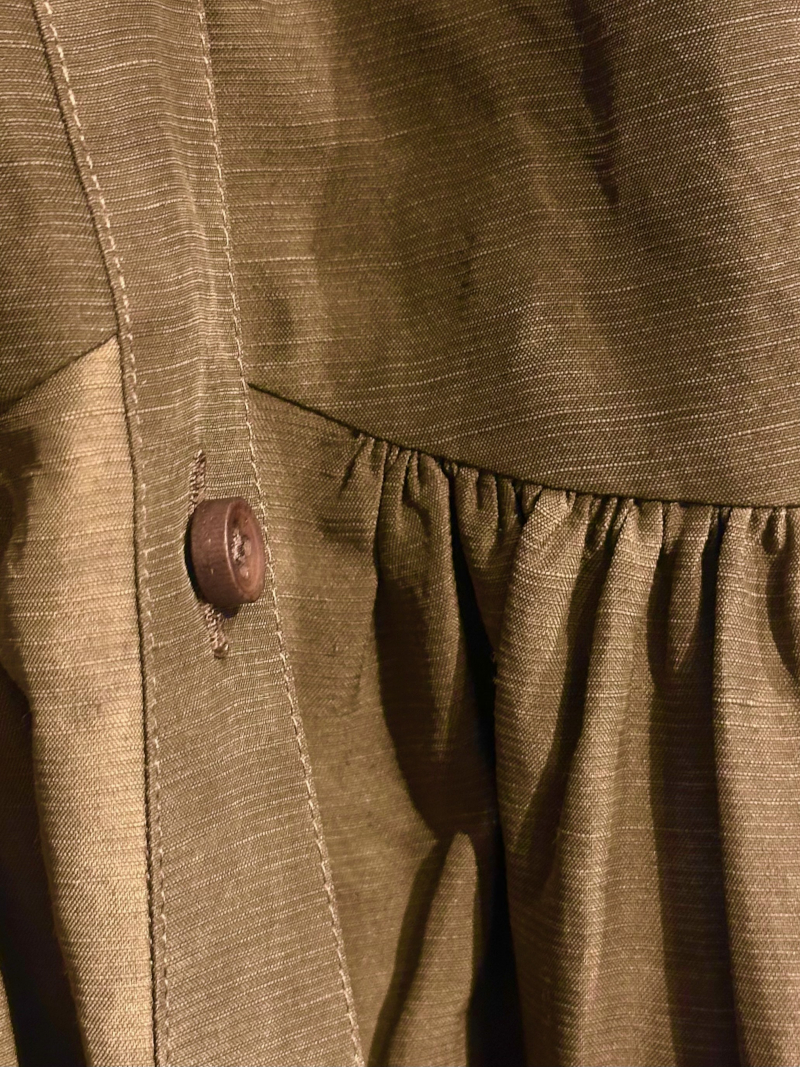
The silhouettes portray a more explicit femininity in fitted garments that remain comfortable thanks to the presence of elastane, or a more sophisticated one in wide, structured volumes rich in details that form complex, architecturally tailored constructions.

Produced in Italy by Olmar&Mirta, a historic manufacturer of Rick Owens and particularly skilled in knitwear, Uma Wang represents a pleasant example of virtuous globalization, where traditional knowledge and craftsmanship merge not only with contemporary developments, but also become leading forces for new forms of expression and creative paths, weaving unprecedented cultural connections across distant and increasingly emerging geographies.

Read More

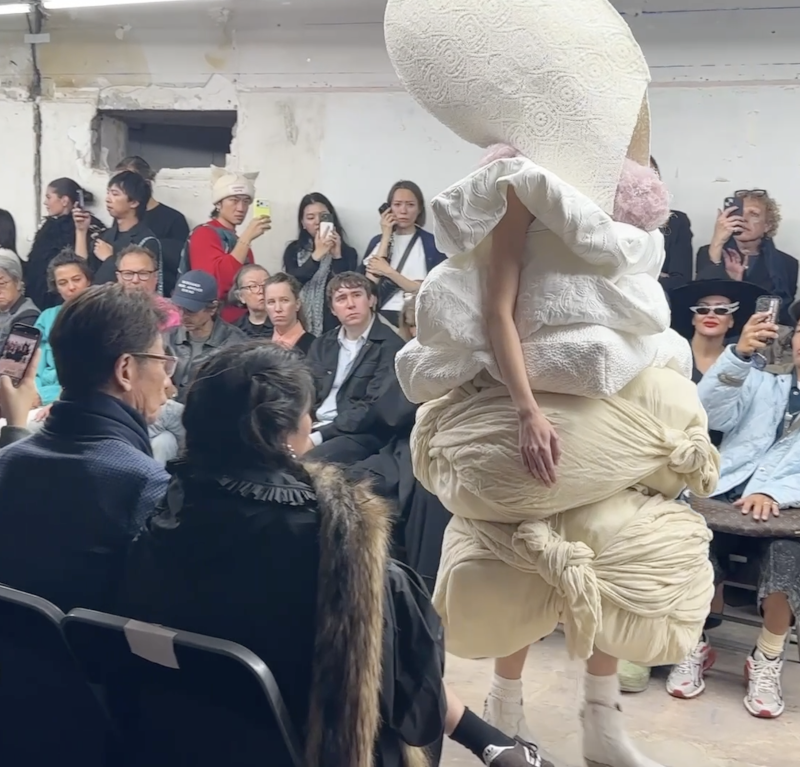
”After the dust” as Rei Kawakubo titles the 2026 Spring/Summer collection.


An almost prescient expression for the history of the store. After years of dusty absence caused by the closure in 2020, the most representative line of the Japanese Maison finally comes ‘back home’: Comme des Garçons.


In so far as ‘Comme-Comme‘ isn’t hierarchically inferior to its originator Comme des Garçons, it’s however with this line that the designer puts her own seasonal meta-narrations on stage.

The shows of Rei Kawakubo are textile manifestations of prospectives and aesthetic interpretations of our time, they convey a message beyond the form of a simple piece of clothing.

As GiltMagazine writes:


There’s a different kind of silence during Comme des Garçons’ shows. Not one of expectation, but one of thought that prepares to be shaken.


Convinced advocate of a type of clothing which, in its creative potential, becomes medium of content beyond fashion, Rei Kawakubo challenges the critical sense of the public installing narrative cues between folds and cuts, overlaps, contrasts and textile provocations, formal and chromatic.

The models don’t wear clothing, but complex structures, with head-dresses and costumes evocative of cultures and impressions far away from the ordinary everyday life, almost shamanic.

The sound track is an integral part of an atmosphere which suggests the plot of the seasonal work.

The guttural vocalisms of the Spanish singer Fatima MirandaDesosasiego (translated as: restlessness) don’t mark the rhythm of the exits, but mainly the connections of sense and possible meanings.

With a post show statement, the designer provides a precious clue:


I believe in positivity and in the value which can be born from the damaging of perfect things.


An optimistic note, manifestly hovering on the concentrated and amused faces of the spectators, a critical and alternative prospective, an act of rebellion and a hope beyond every space-time conjunction of monotony and dull resignation.


Our seasonal sales continue and, especially in lighter weights, they become ideal for a period of milder and welcoming temperatures.

As the video displays, in the show-room the language subsides to viable and easily wearable suggestions, Comme des Garçons style.


Read More

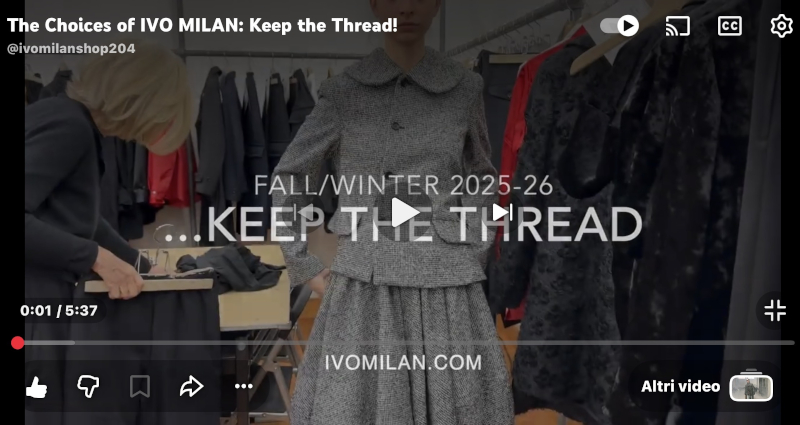
Let’s keep the thread of our usual posts, a brief “The Choices of Ivo Milan” on personal selections from Milan and Paris Fashion Week, during the various show-room experiences, while the pieces were being worn and tried on six months in advance before public distribution.


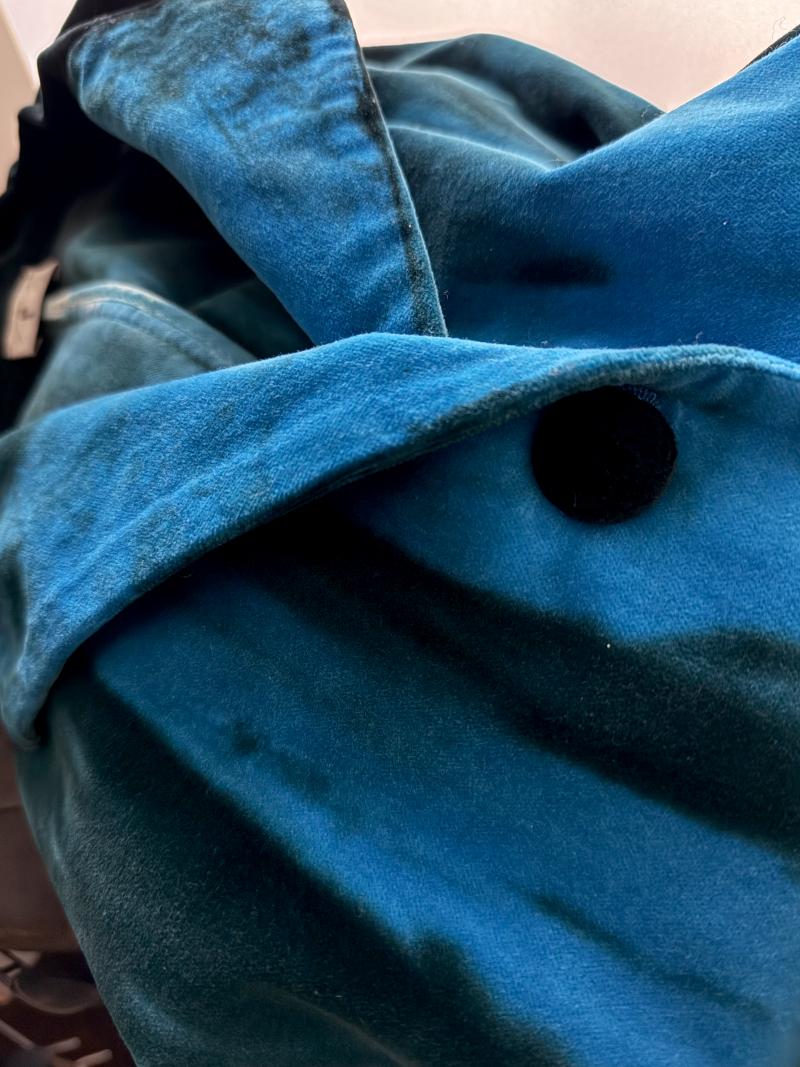
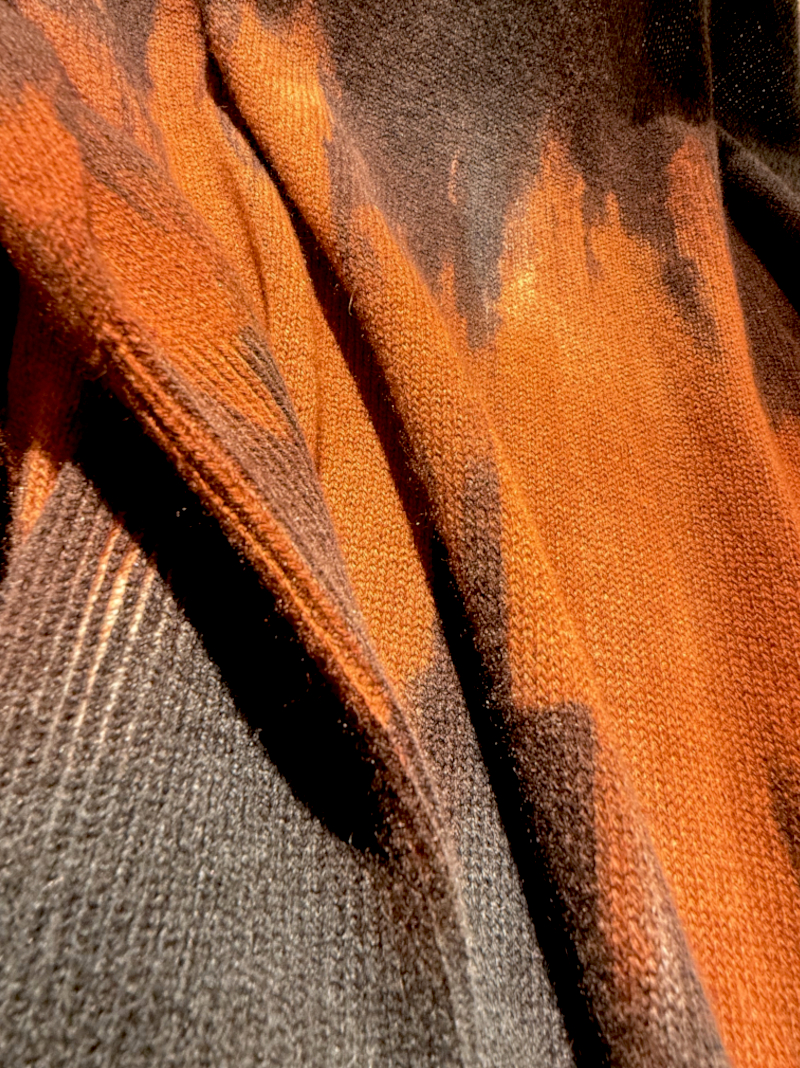
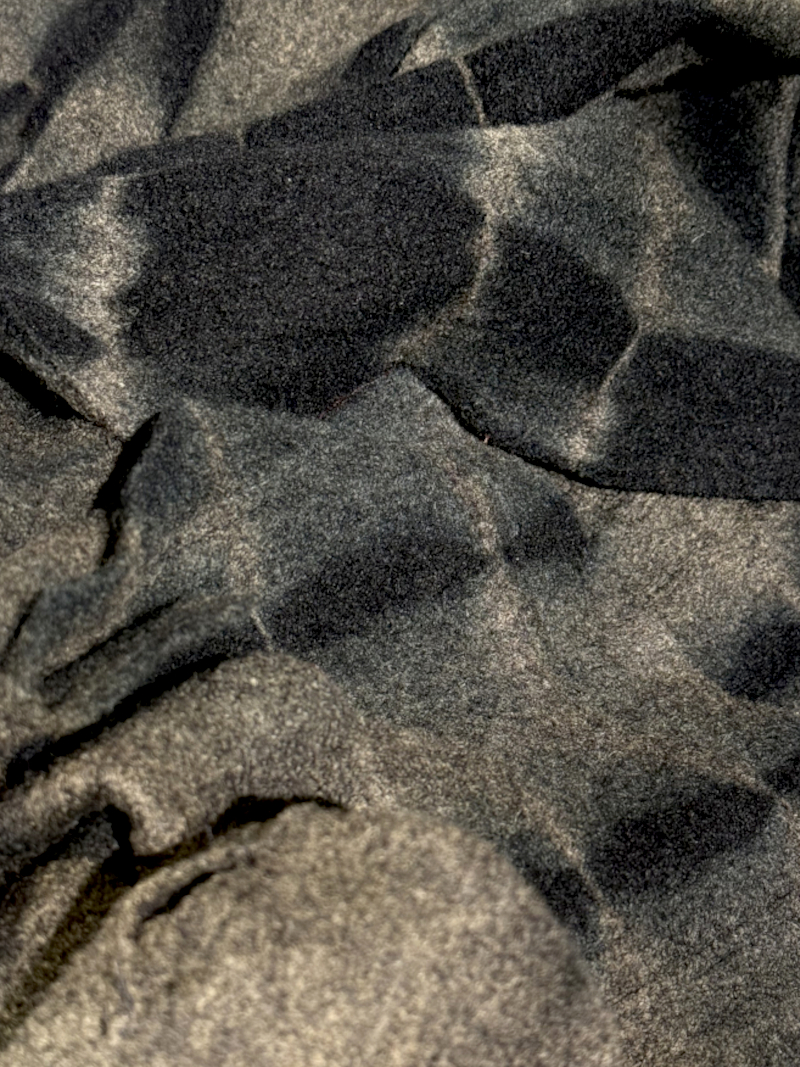
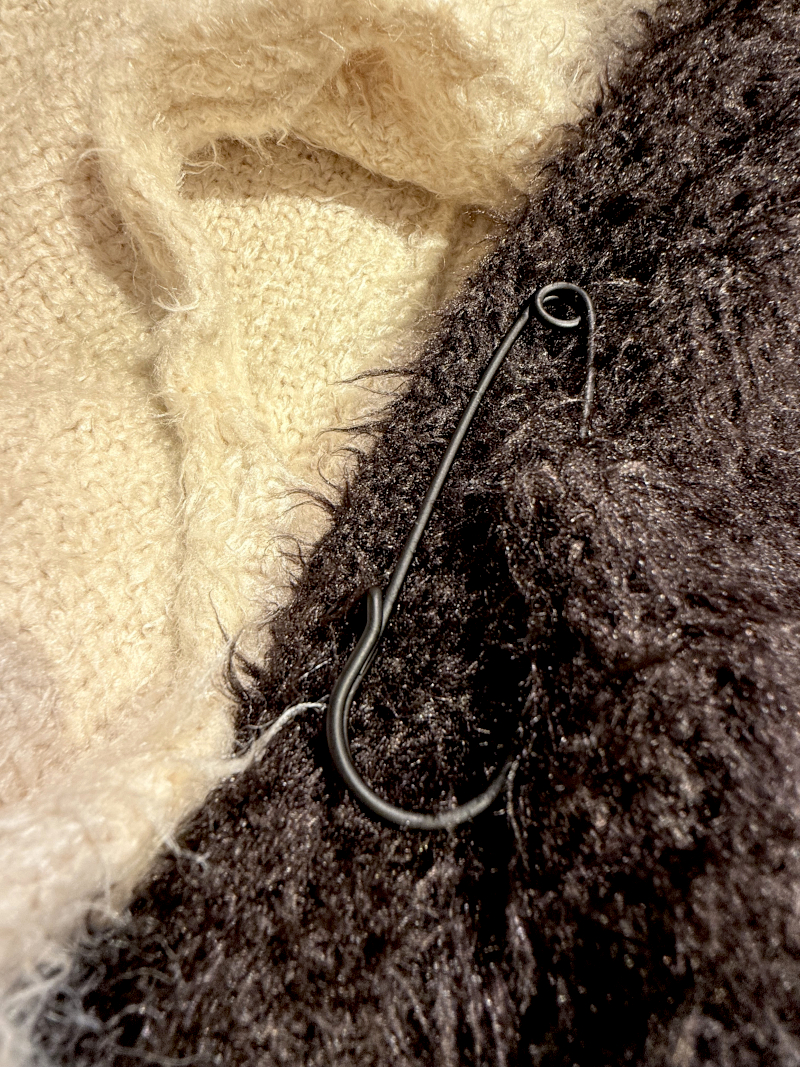
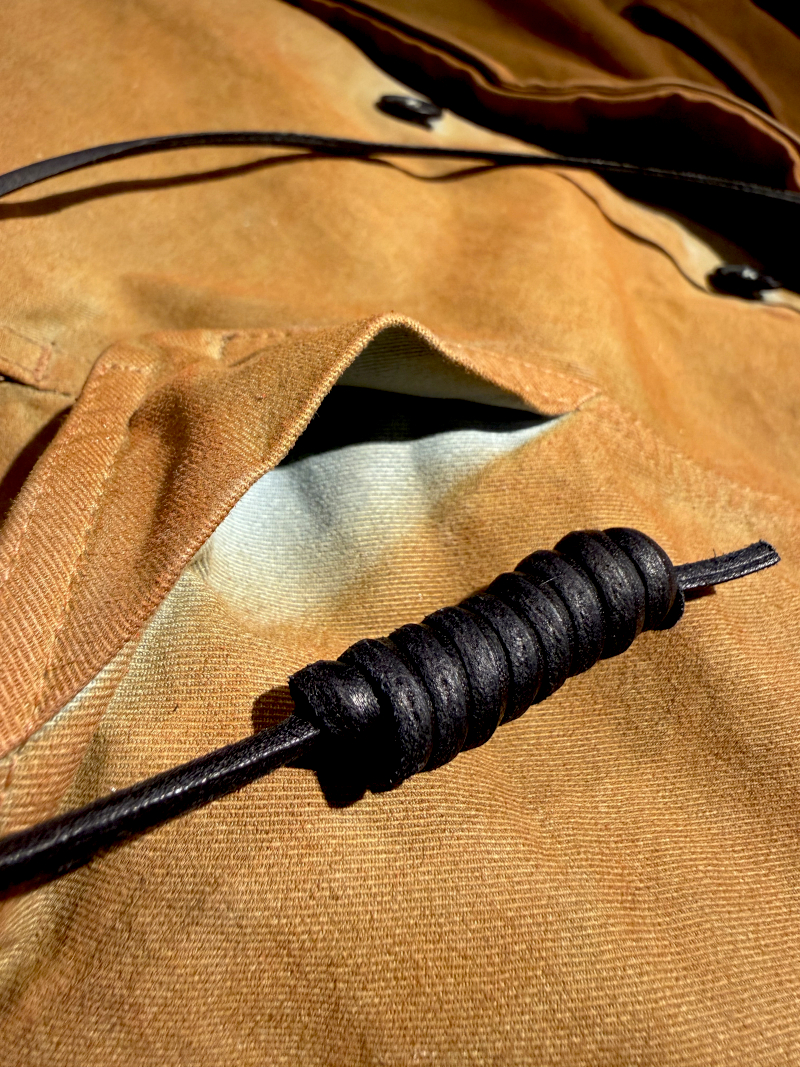
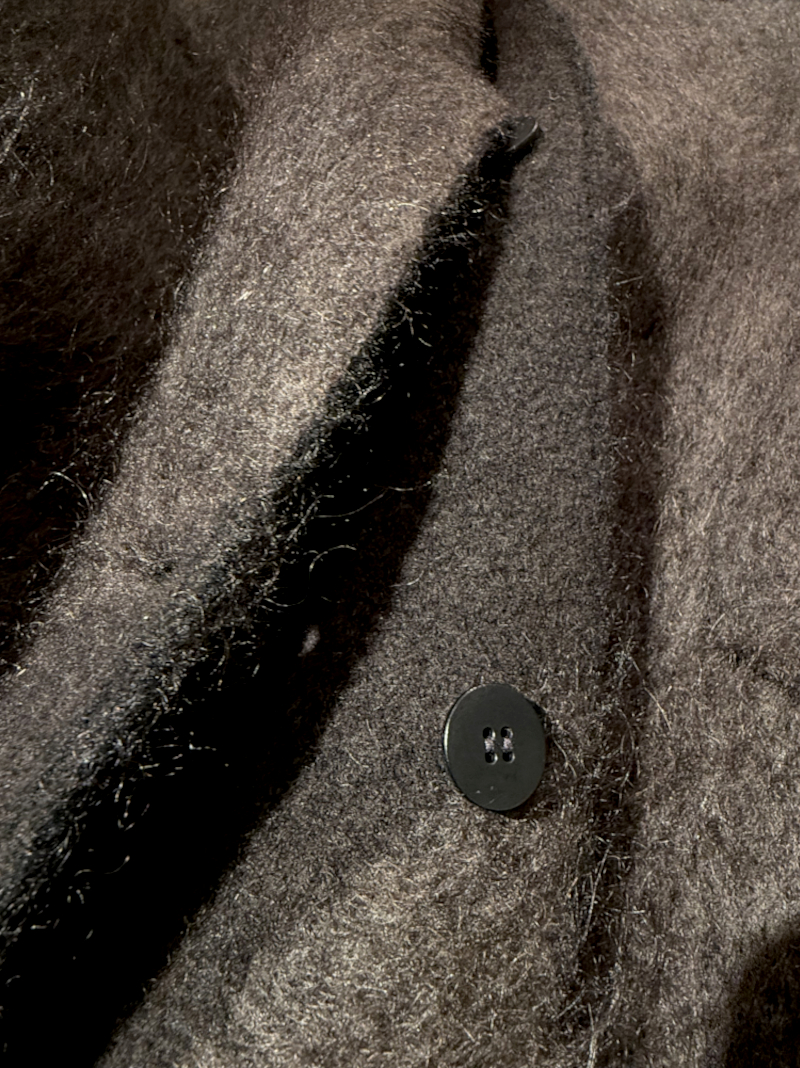
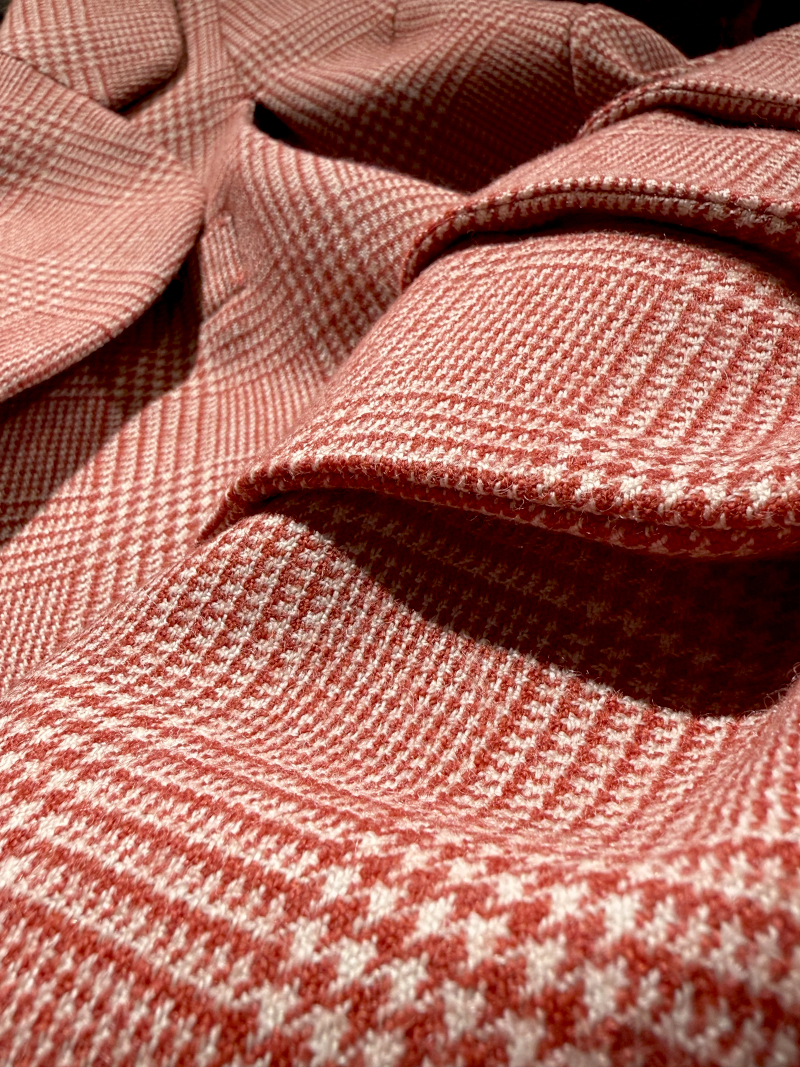
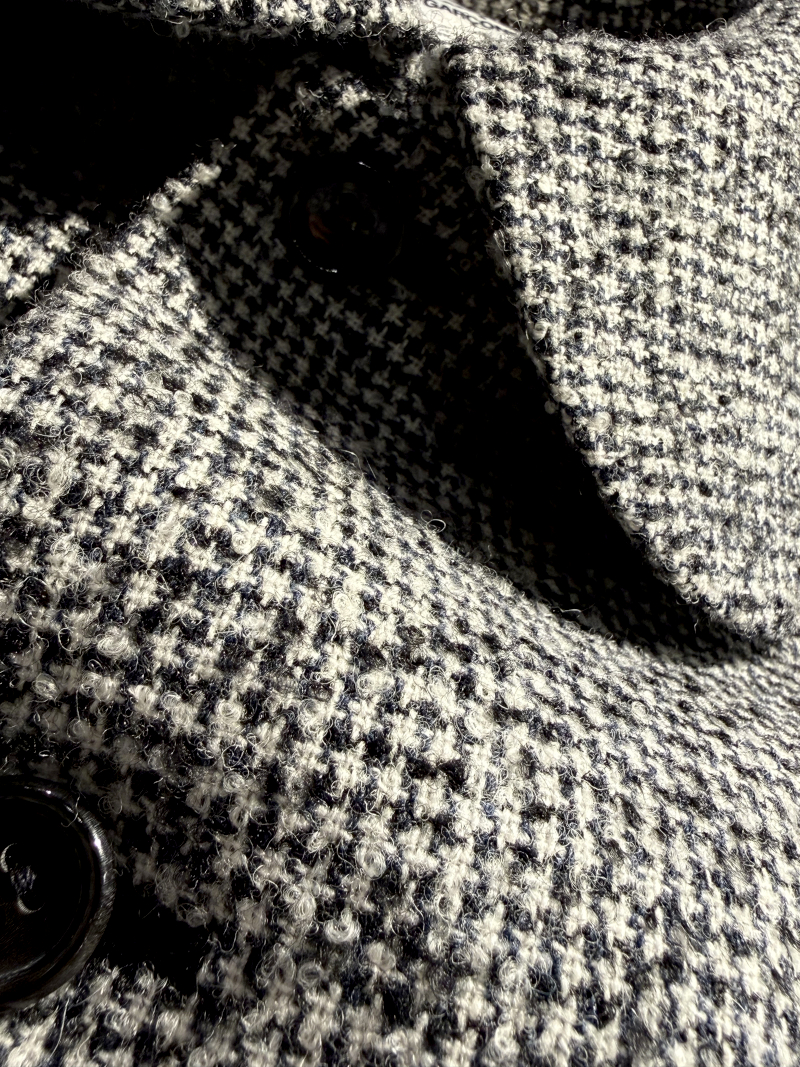
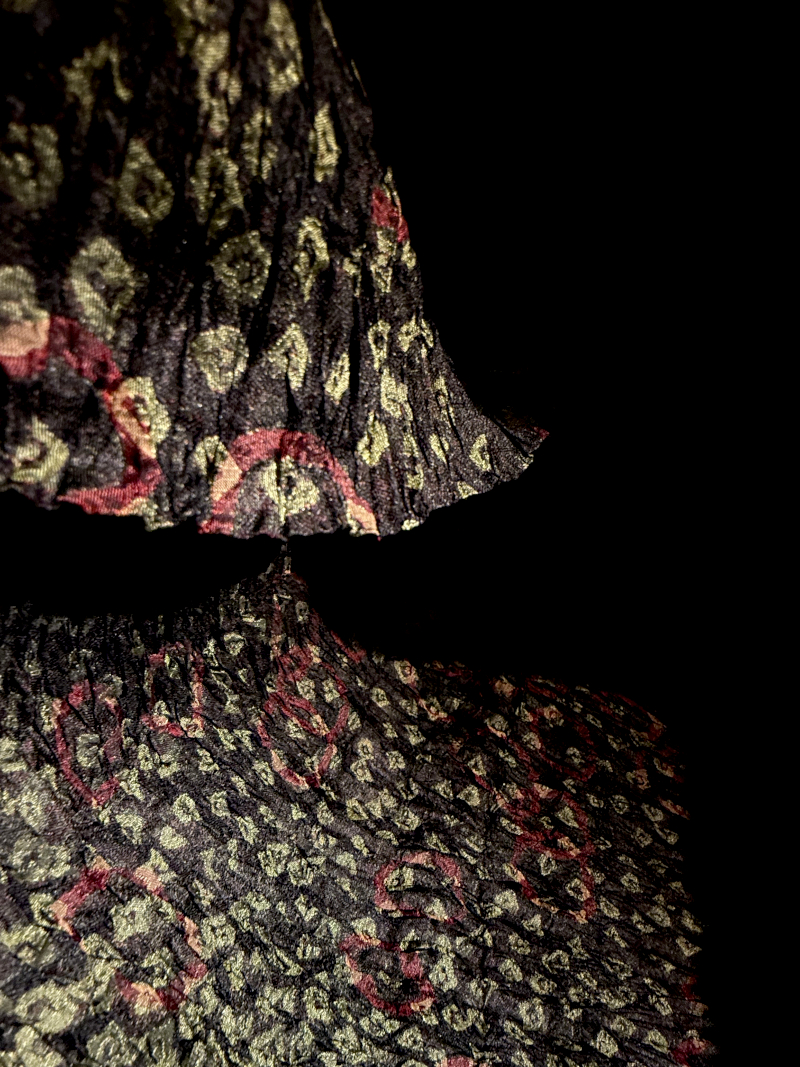
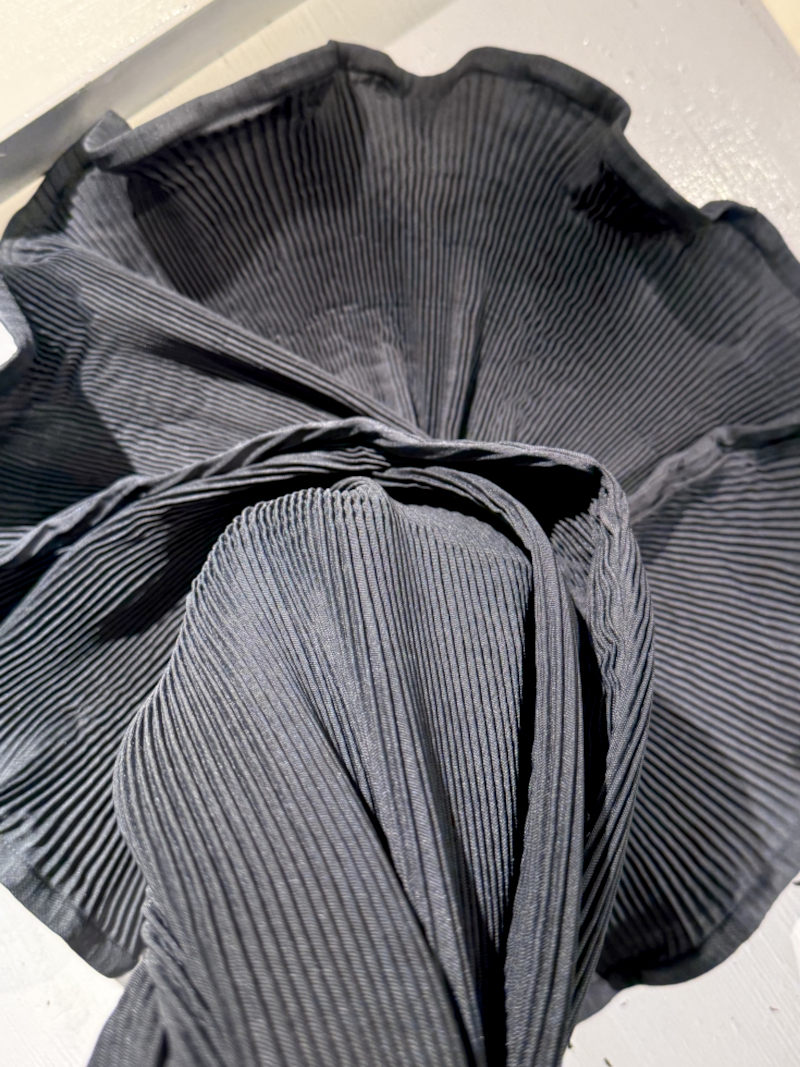
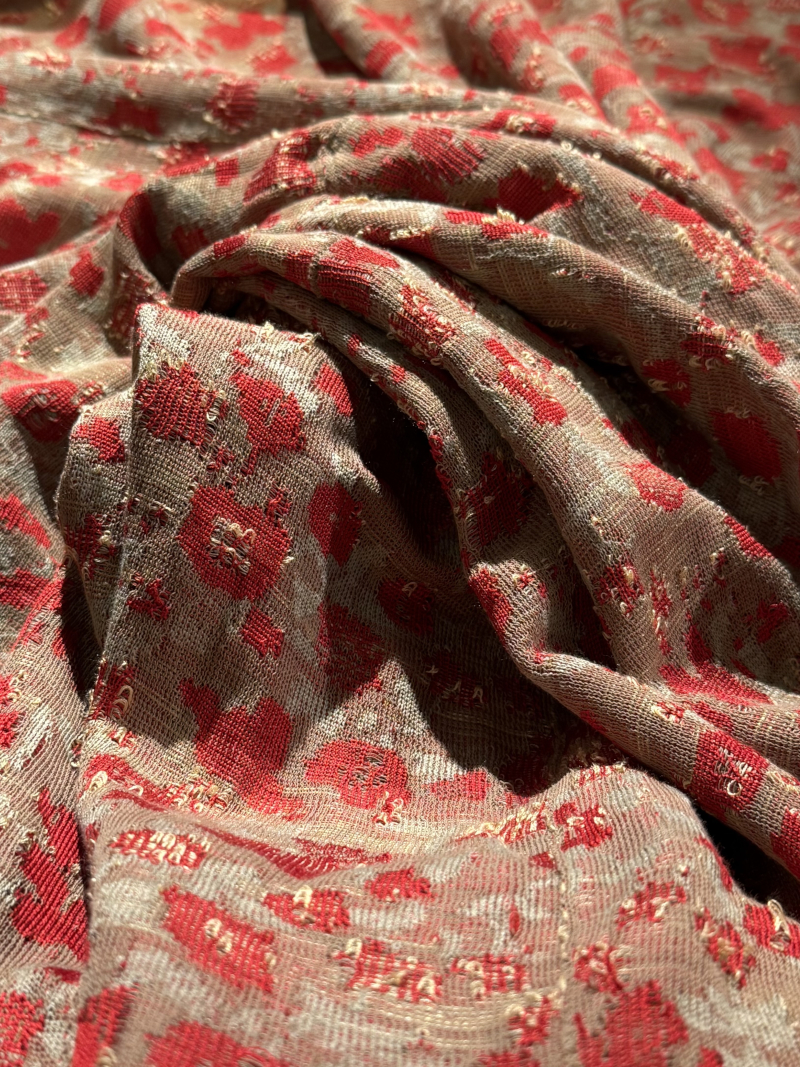
The current sales, in the depths of winter, still allow suggestive and engaging prospectives on what we have in stock. A dynamic view, in our video roundup and a few photographic glimpses of our textile details, morphological textures, shades and colouring techniques, rippling waves and live-cut yarns.


The painterly color palettes of F-Cashmere

The shibori of Maison Mieko

The silk yarns of Rundholz

And the overdyed cotton of Rundholz Dip

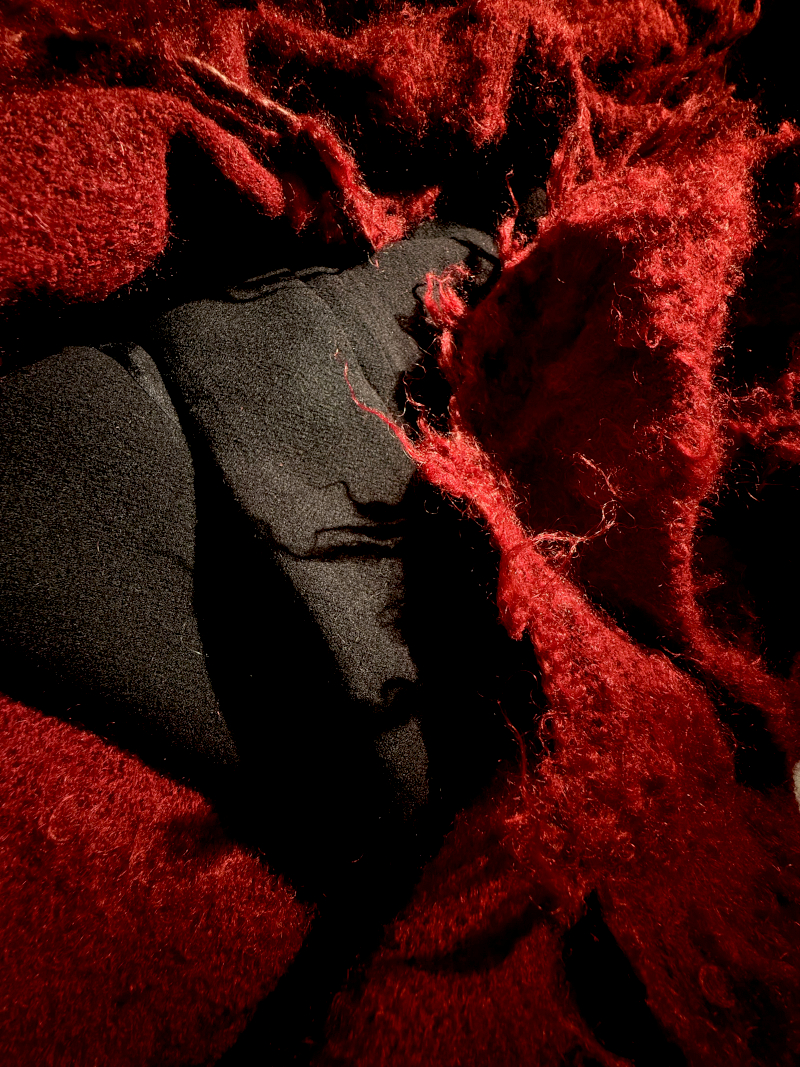
The warm, elastic knitted fur of Boboutic

The cheerful Prince of Wales check by Noir Kei Ninomiya

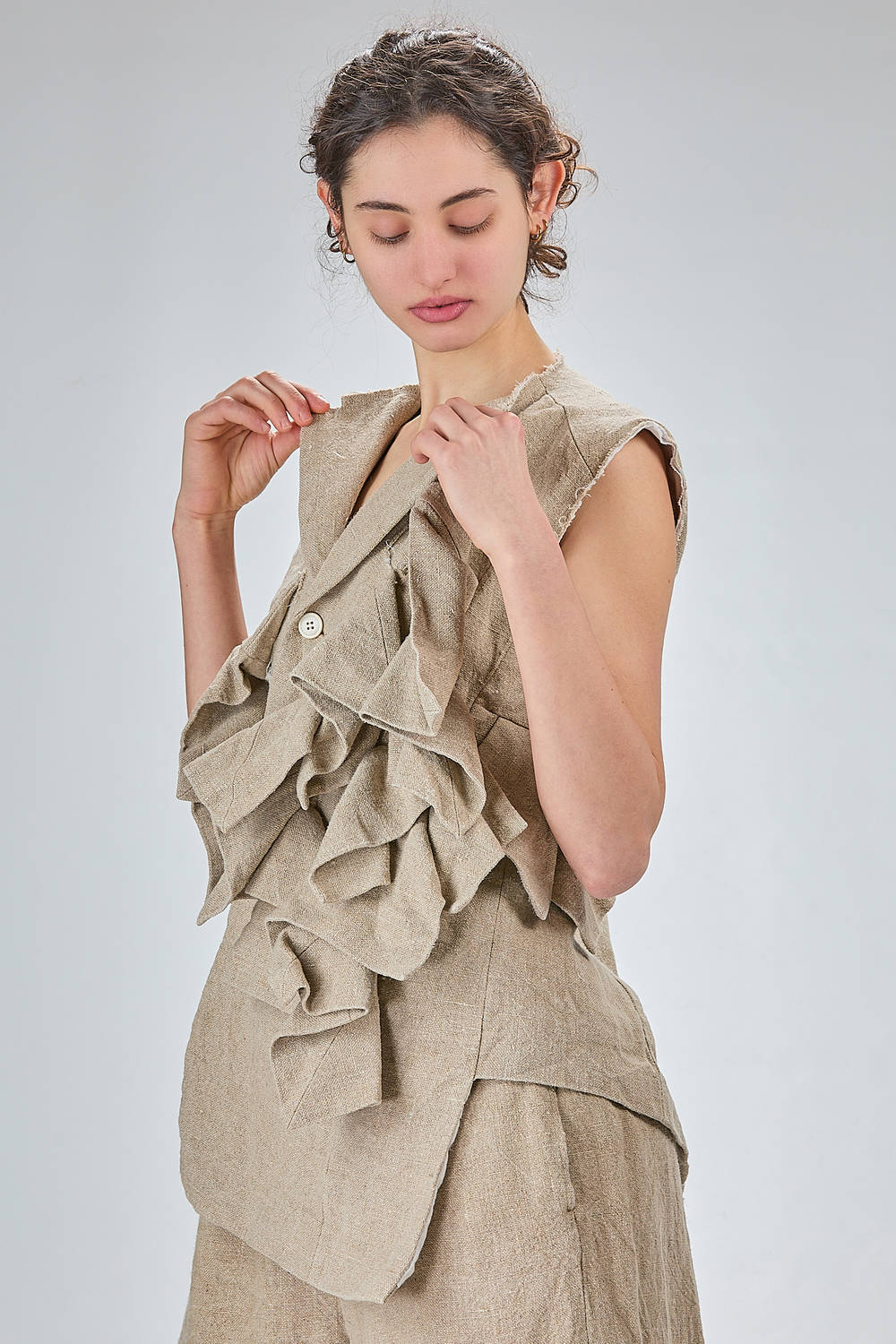
And the luminous, asymmetrical tweed of Comme des Garçons–Comme des Garçons

The theatrical froissé landscapes of Shu Moriyama

Ending with the geometric, playful New York–style pleating of Melitta Baumeister


Read More

When presenting a collection, the context from which it draws inspiration, the atmosphere and local culture that shape its identity, are often overlooked. In a way, getting to know a designer, a company or a brand has a lot to do with geography.

While globalization tends to erase local distinctiveness, homogenizing knowledge, tastes and preferences, there are, in parallel, realities that quietly resists, capable of synthesizing the modernity of contemporary metropolises with the ancient wisdom of remote lands, where customs and traditions express a deep connection and respectful balance between humans and nature.

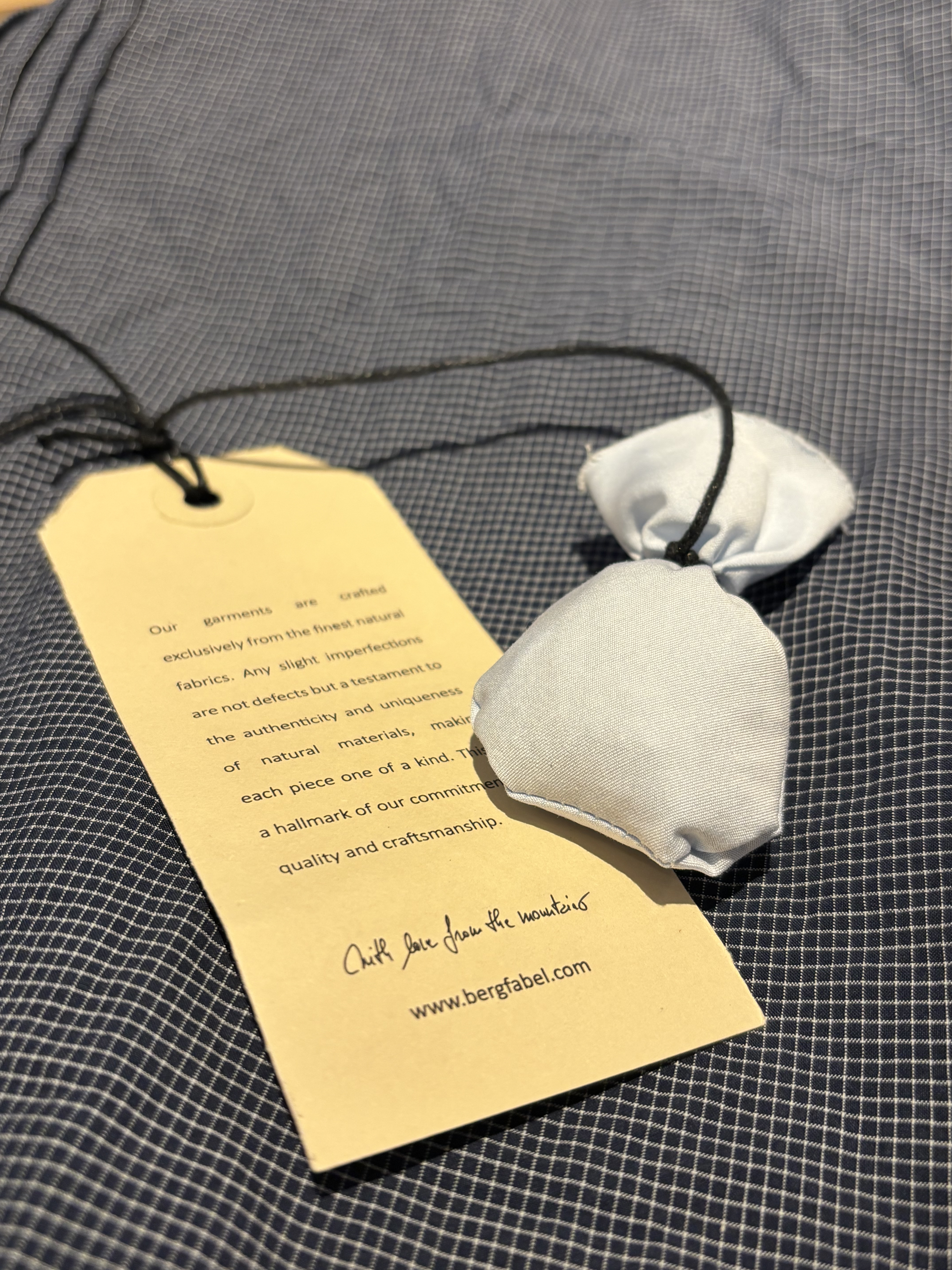
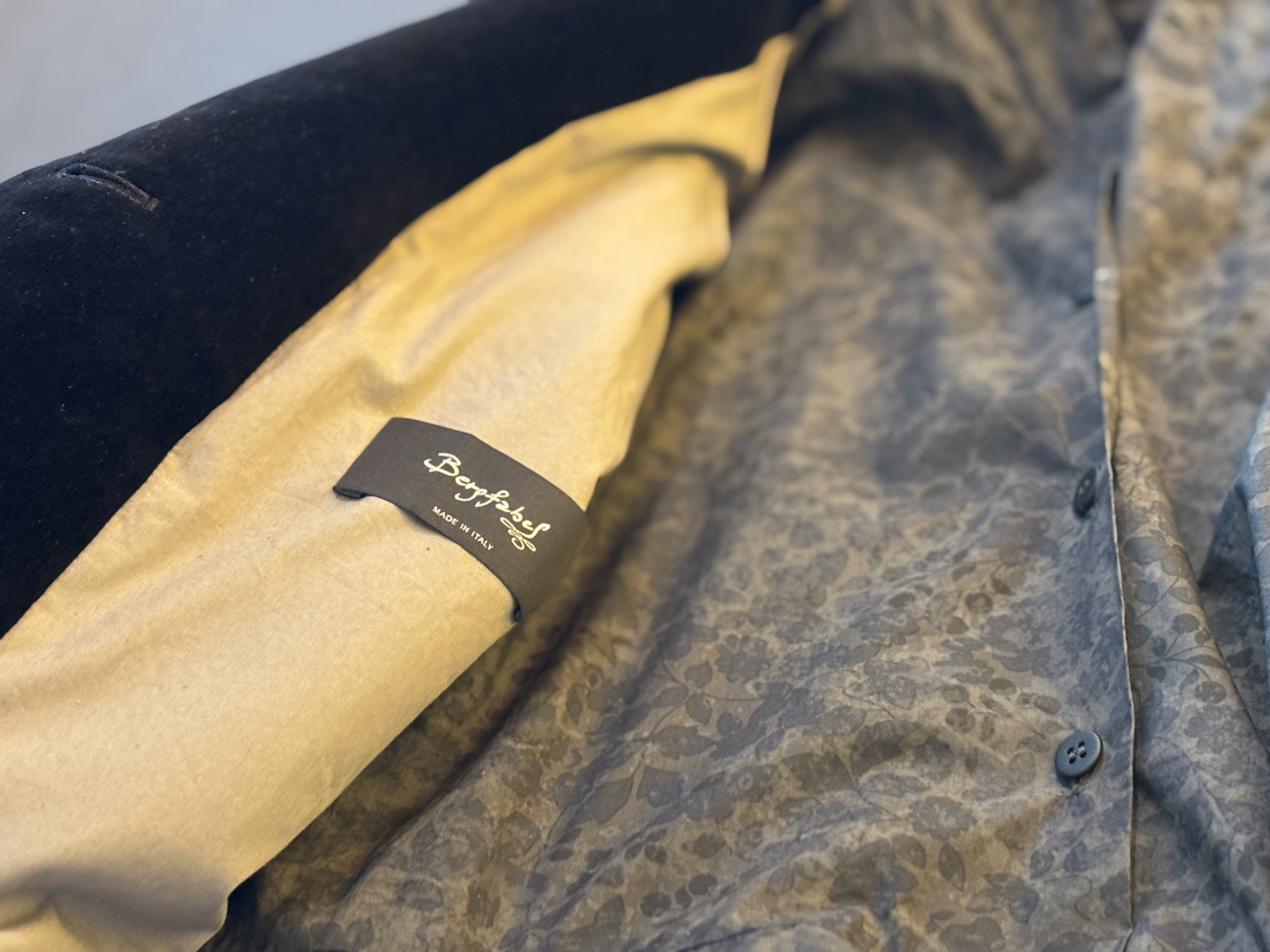
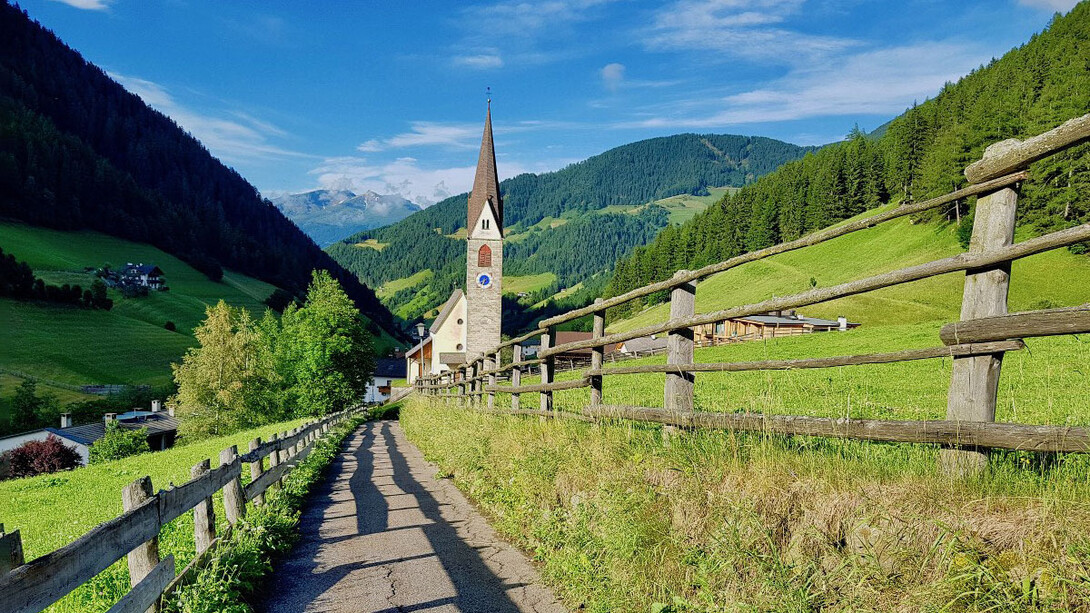
This is clearly the case with Bergfabel, a South Tyrol brand whose name combines the German word ‘Berg’ (mountain) and ‘Fabel’ (folk tale), a language still deeply rooted in Vipiteno, a small village nestled in the South Tyrolean Alps on the border with Austria, where Klaus Plank, the brand’s designer, was born.

Alpine landscapes, towering mountains and long green valleys, pastures and flowers bordered by coniferous forests, speak to the long human adaptation to the harshness of cold winters and the gentleness of spring.
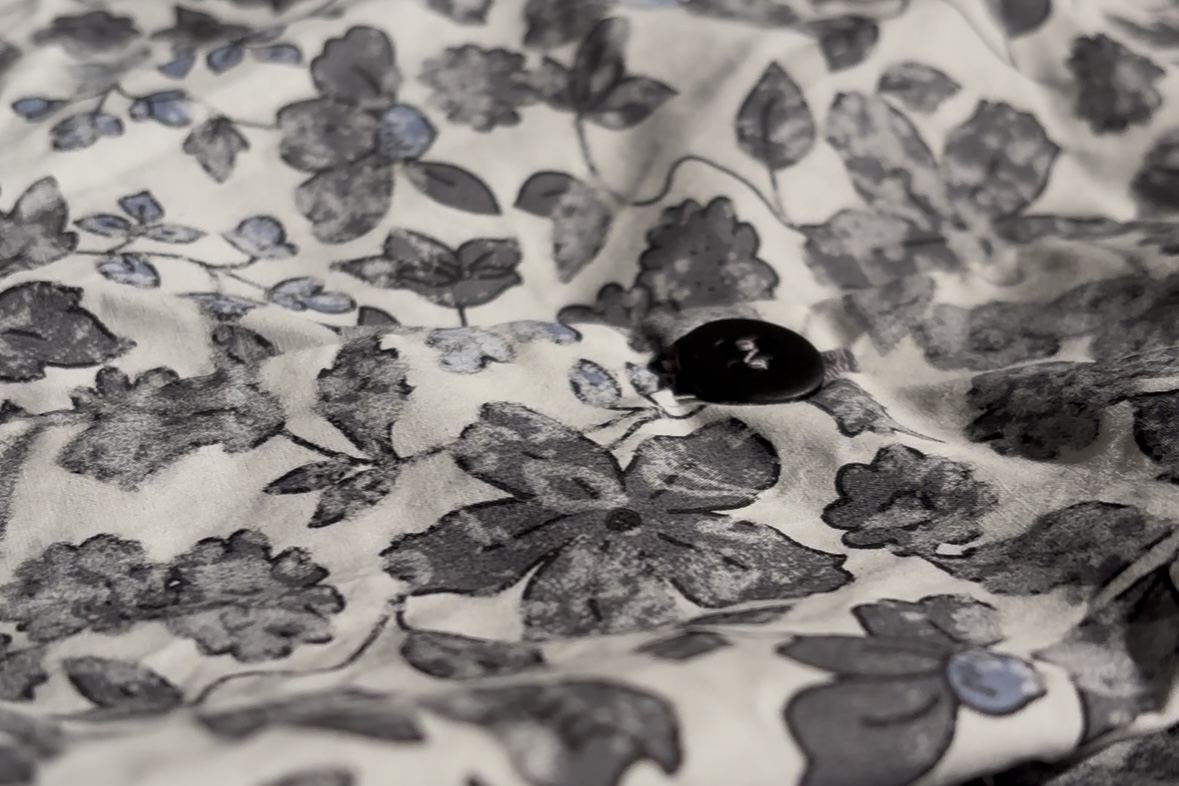
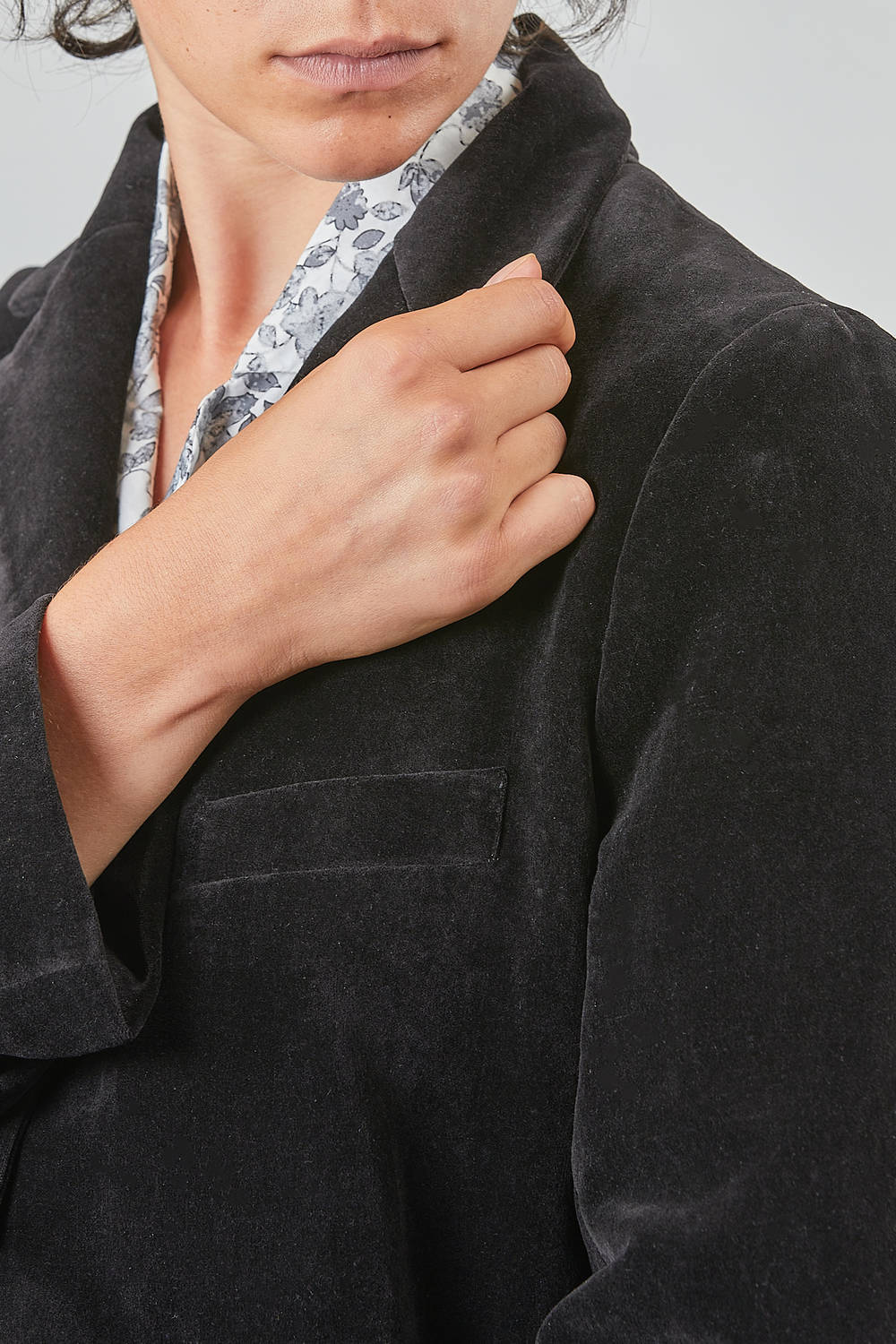
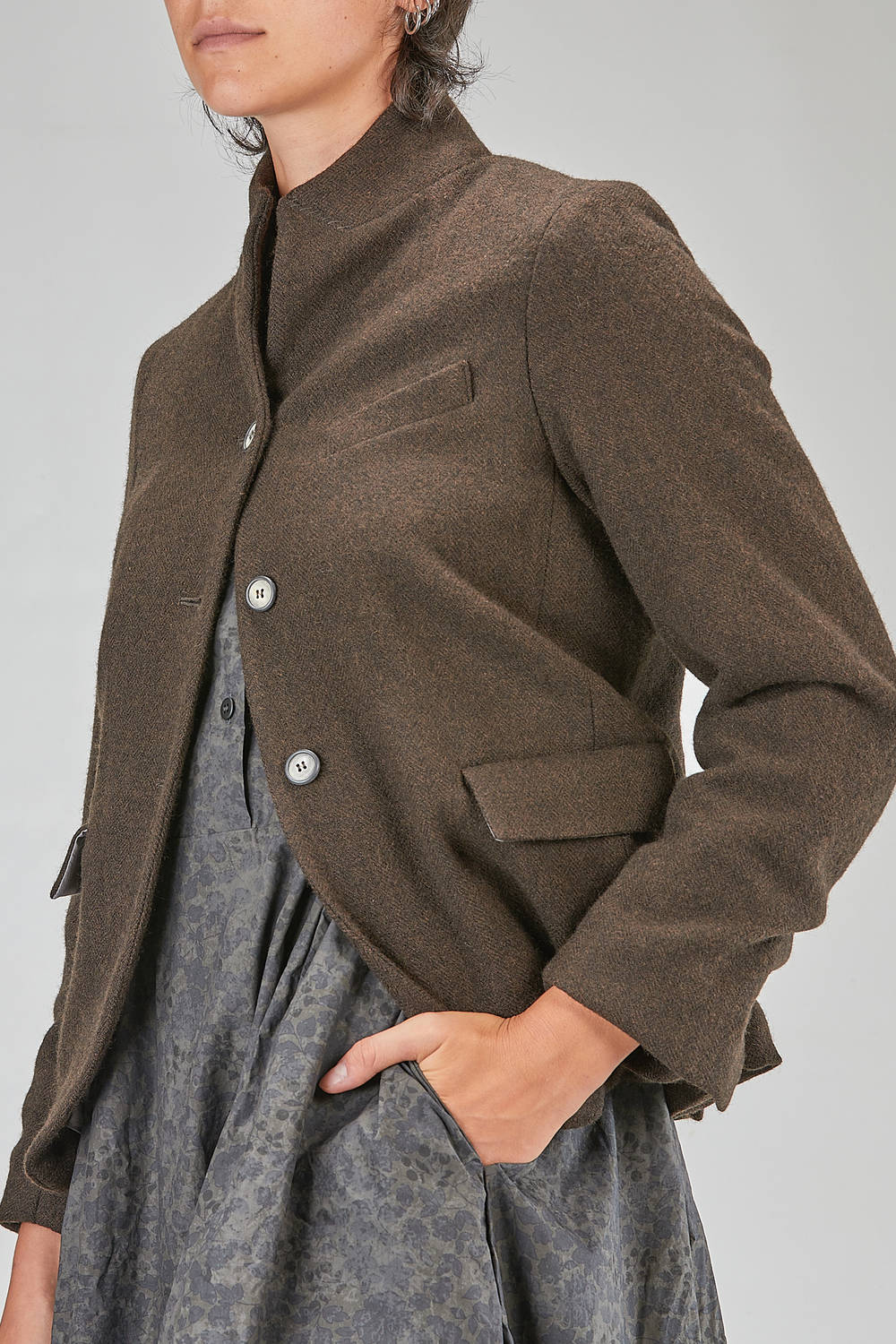
It’s an aesthetic harmony, a mutual, happy anthropization that is easily found in Bergfabel’s garments: in the color palette that follows the seasonal rhythm, in the preference for natural fibers, rustic wools, and liven-in-looking cottons, and in the traces of South Tyrolean folklore visible in certain garments and jackets, in the cuts and hand-finished details.

The more traditional aspects are softened by the big textile research carried out by Klaus and his wife Barbara, and by their skill in creating silhouettes that – through carefully placed formal gestures such as pleats between slits, sleeve hems, and borders – are ideal for more international contexts, made for travel and for feeling at ease, anytime and anywhere

Because the underlying idea behind Bergfabel’s stylistic approach is not only to keep the connection with its native land alive, but above all, to offer it in its essence, an habitat that brings pleasure and comfort to the wearer, just like immersing oneself in the landscapes of the high Tyrolean valleys.

Read More