www.ivomilan.it

   IVO MILAN – Radical Fashion Blog

Archive
2011 Yearly archive

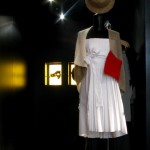
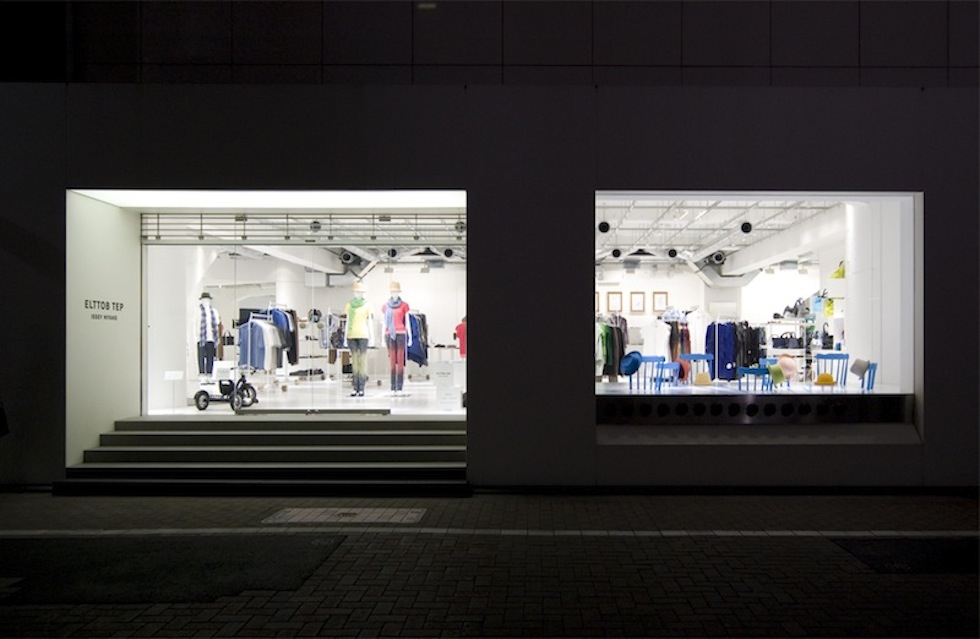
To show once again how the limits between art and fashion are indefinable within the so-called Japanese school, we report the curious installation the architect Yoichi Yamamoto made, for Issey Miyake’s boutique in Tokyo.

A series of blue chairs, where the colourful hats by Akio Hirata, the most important Japanese hat designer, are hung and displayed.
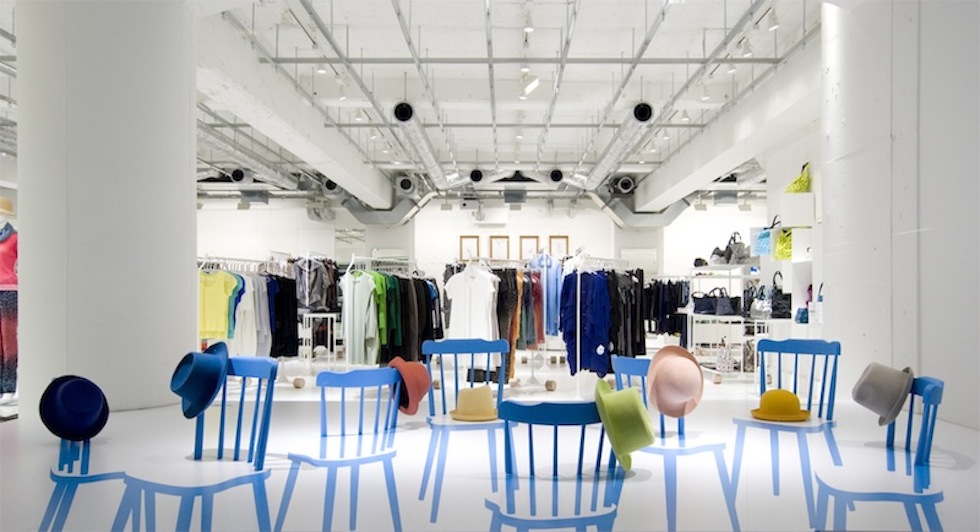
The position of the hats hides an artificial optical effect, that is obtained through a clever combination of three-dimensional elements, the chair backs, and two-dimensional elements, the legs of the playful blue chairs.
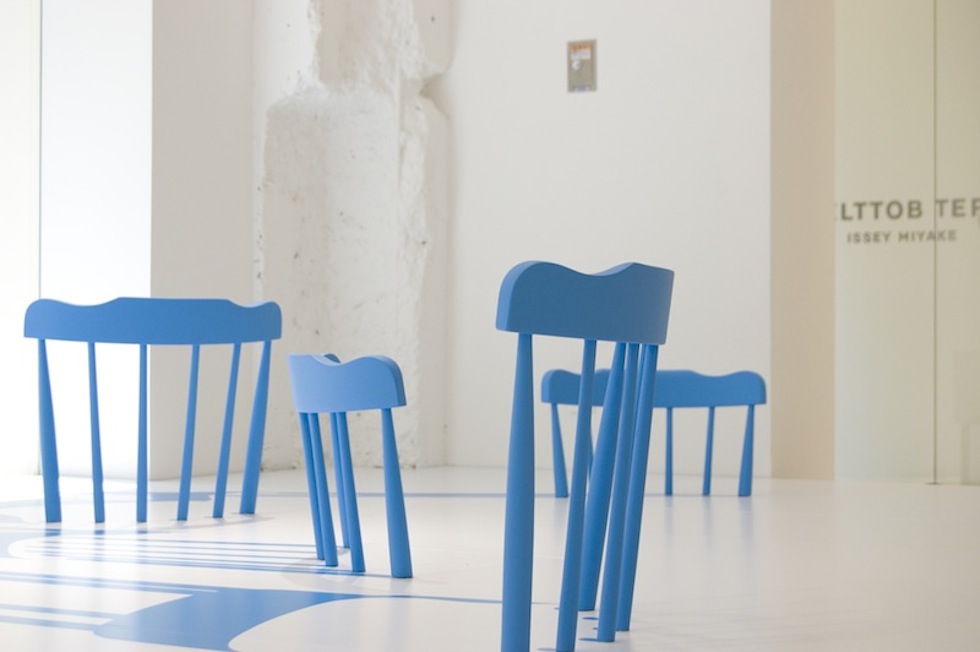
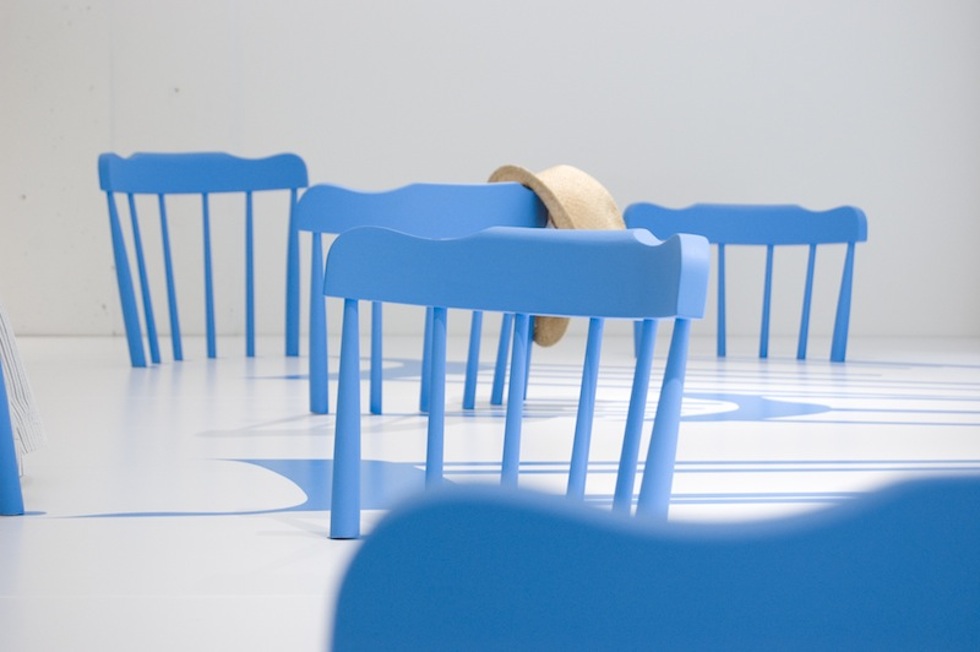
When you look at the shop-window from a certain point of view, the apparent plainness of the installation is able to deceive the ingenuous observers. Only from a different point of view, the complicated and surprising optical illusion is revealed.
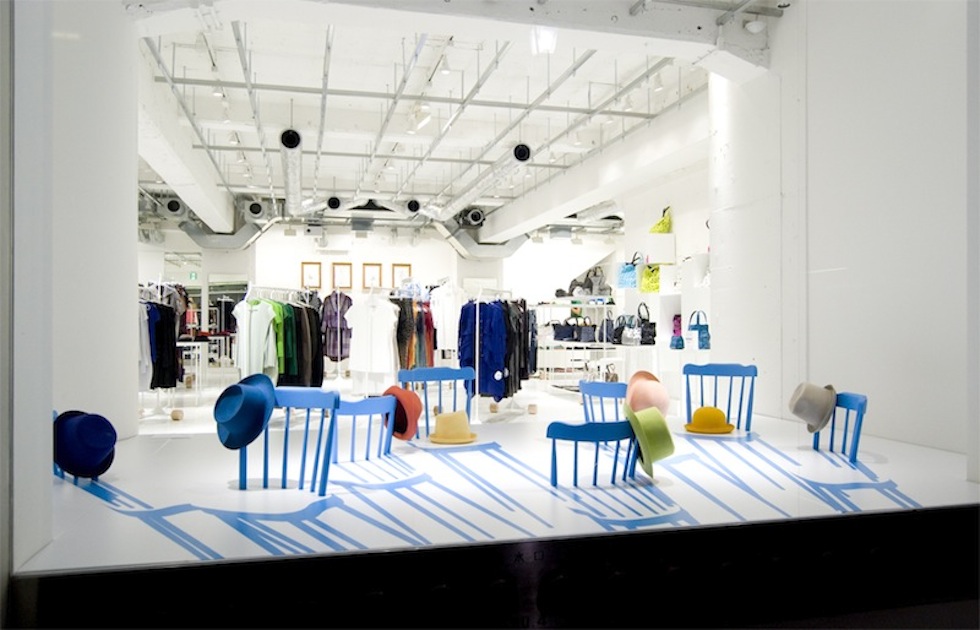
Another evidence of the essential value that is added by different skills is clear when a shop-window is not merely considered as a transient display of items to be sold, but also as a special place where abstract compositions can be shown and shared with a moving audience.
Read More

We’ve got a new graphic design and we’ve added some new functions, including a new way of browsing similar or related products in each individual clothing or accessory page.


We hope to have brought to enhance its functionalities and its general fruition. In the case you find some anomalies, difficulties in its consultation or some technical problems, we’d be very grateful if you could send us the warning by e-mail to inf@ivomilan.it.


Read More

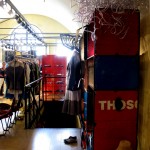
Our overview of Ivo Milan’s shop goes on. It is dedicated, first of all, to all the women who haven’t had the opportunity yet to go to Padua’s city centre and visit the premises of the shop, in Santa Lucia road.

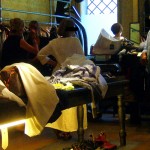
Glimpses of everyday life, of a job where the relationship with people is joined by a shared love for clothes, arts and words.

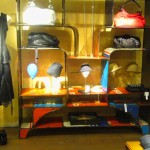
A constantly changing environment, with weekly installations and shop windows, that change to show how different suppliers can be combined and matched according to the most various taste, style and needs.


Read More

After a long absence, a grand return. 

XII XII XLIX (12/12/49), birth date of the great Italian designer, marks the riappropriation of the brand after a long controversy.

Today’s collection is completely designed and carried out by Romeo Gigli himself. The designer was a striking discovery in the history of Italian fashion, that in the mid-Eighties was dominated by an androgynous female style, wrapped in the geometrical and sharp Armani‘s suits.

Gigli was able to astonish, by proposing an opposite model. Whereas the female manager was celebrated, in a latent competition with her partner, Gigli made an ancestral, ethereal woman flourish again, dressed in a vaguely Renaissance-style items. A powerful tribute to the woman’s gracefully sensual body and identity. By doing so, he made a revolution that, at least in the world of fashion, was able to sweep the misunderstood struggle of sexes away, that tried to standardize different personalities.

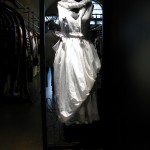
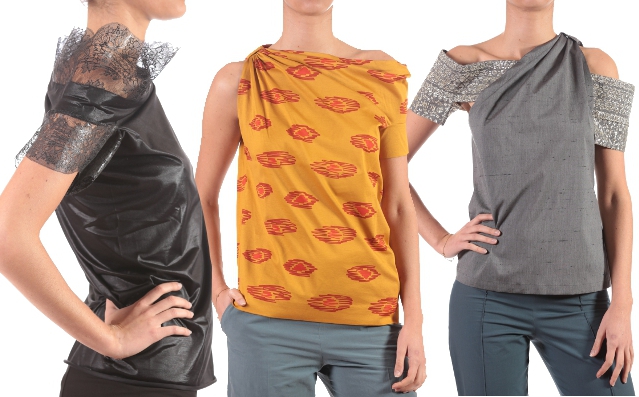
Even if it is not so vast and elaborate as Gigli’s past collections used to be, the Summer collection is nevertheless inspired by the same spirit. Soft jersey, knots, juxtapositions, bare shoulders, and slightly asymmetrical silk works, show colours that range between the warm density of ochre and orange and the metallic concentration of black, grey and blue, and are new examples of Romeo Gigli’s typical woman.

By looking at the different items of clothing of this collection, nostalgic memories are awaken of a period when Italian fashion was in the centre of the international fashion scene.

Read More

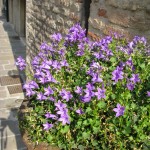
Vlas Blomme, in Flemish, means “The flax flower”. This is a clear tribute to Flanders, the world’s capital of the production and manufacture of this valuable fibre, and also a tribute to flax, the material of the entire summer collection.

Designed by the Japanese Satoshi Ishii, the brand uses the precious material from Kortrijk, one of the most important places for flax production in Belgium, to give shape to a simple selection of items of clothing, specifically designed to enhance the material’s potentials.

The design infact proposes a perfect and surprising union of shape and fabric. The suggestions of the vast Flemish plains are evoked and recalled through the colours and patterns. They talk about skies, trees and country life, that is rural and light-hearted at the same time. The evident ability to give shape to materials, however, goes beyond the common, ordinary shapes of isolated, rural lives. The lines run with the wind, juxtapose and create uncertain outlines.

A deep care and an evident love for the fabrics can be seen on collars and shoulders, where convolute forms are created that are still very sober.

Vlas Blomme follows a path that indulges in environmental subjects, working on the qualities of the best natural fibre, and above all being able to test its brand new, fresh, lyrical possibilities.

Read More